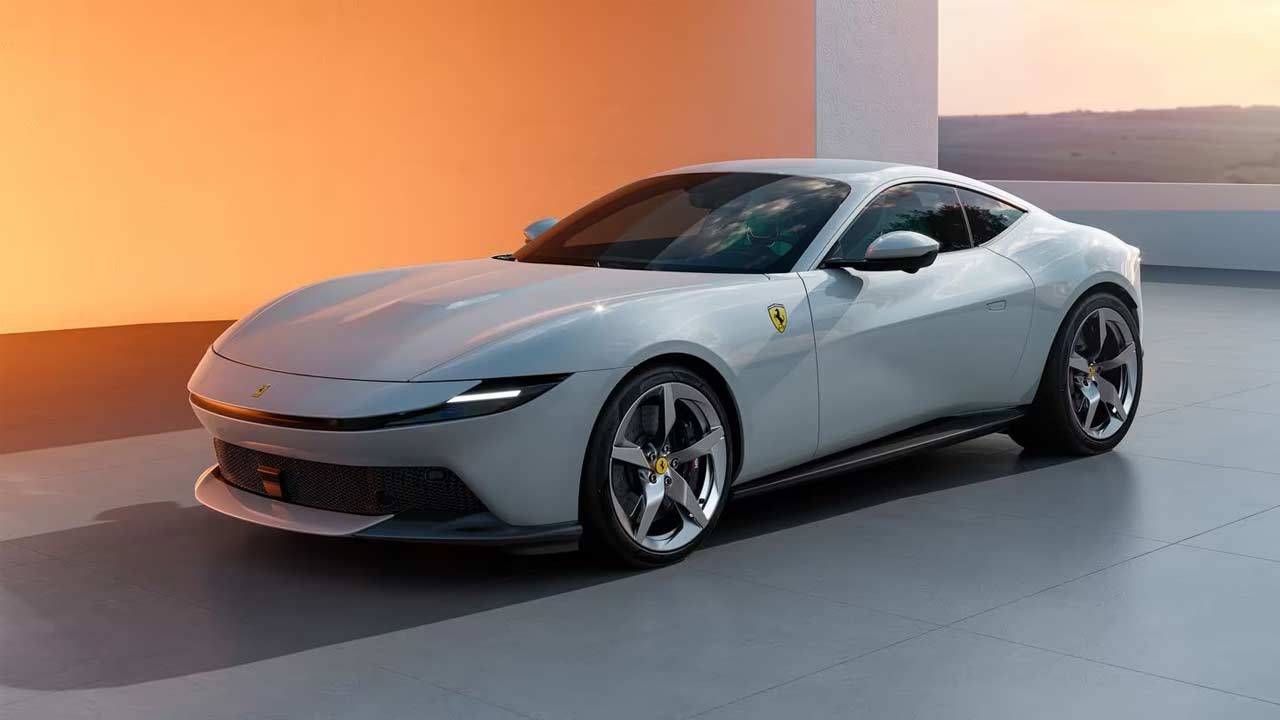
When we are talking about a car’s age, 5 years is still “kinda new”. But Ferrari has a different opinion, which isn’t all that surprising. The Amalfi is a successor to the Roma; more specifically, the Roma Coupe for now. At the time of publishing this story, the Roma Spider is still available to order, but I’m guessing it’s just a matter of time.
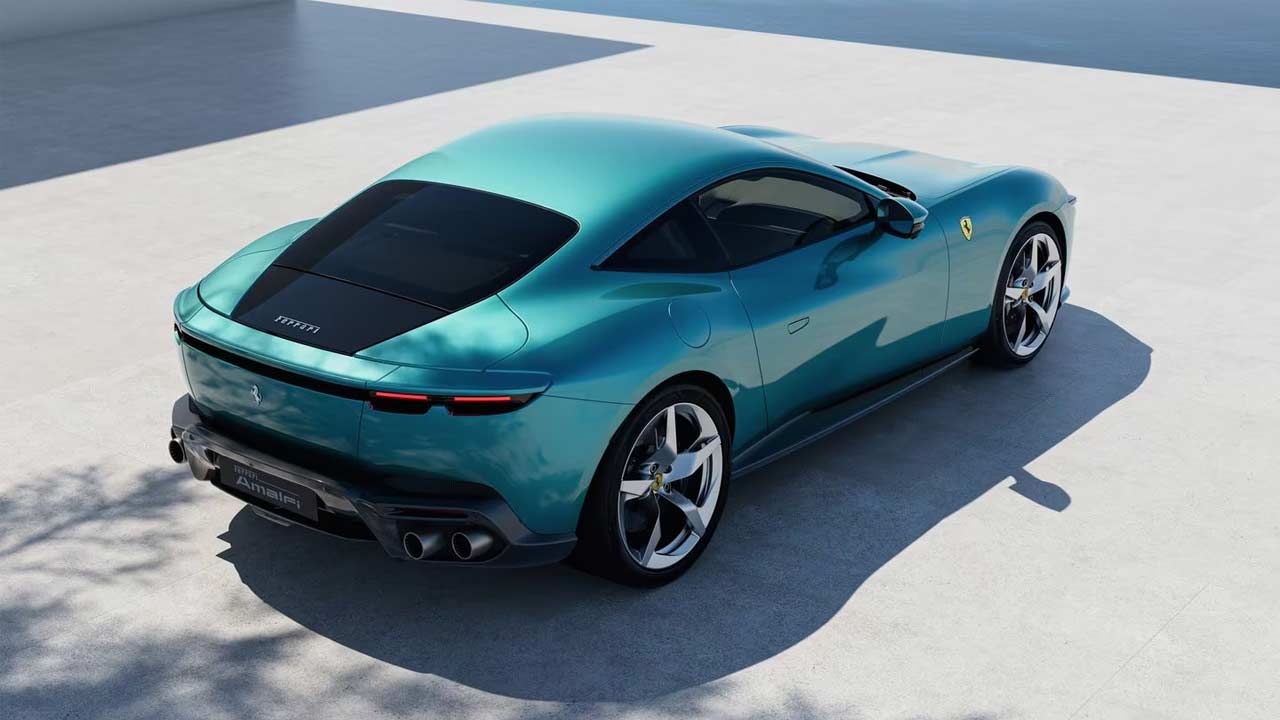
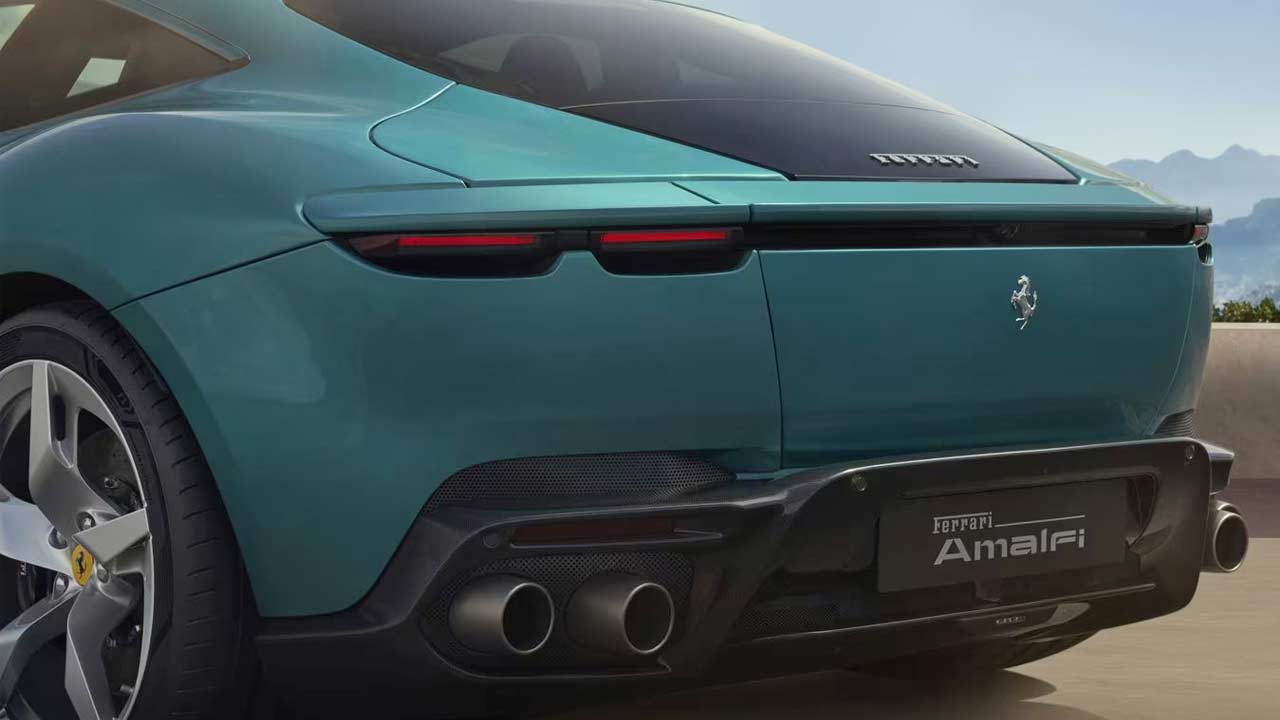
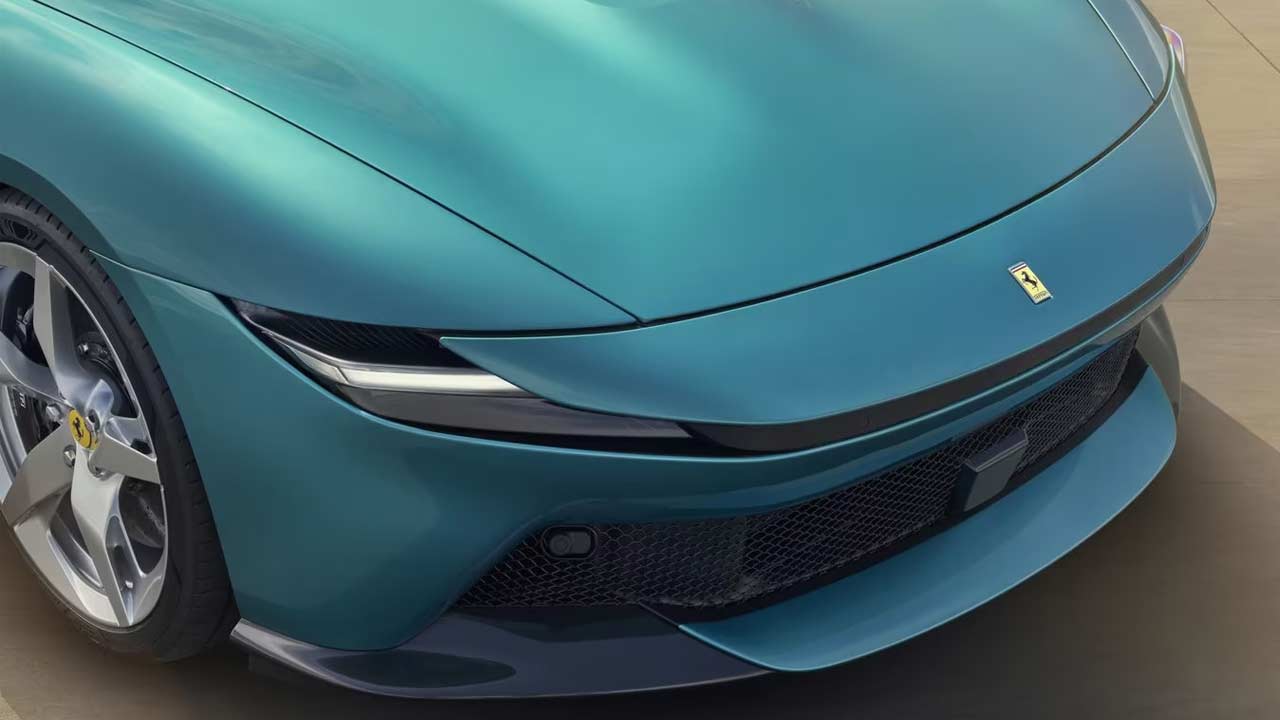
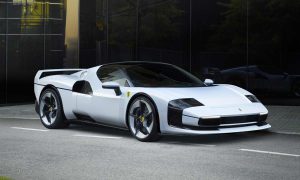
The design rather looks more like a Roma facelift. It looks a bit bland and boring compared with the Roma, but maybe that’s just me. The front and rear fascias may remind you of the Purosangue, but these lights and the front “visor” are now becoming Ferrari’s new design language; I imagine the visor can be specced in a contrasting color or carbon fibre. The overall design might look boring, but those 20-inch wheels look absolutely stunning; they look simple and complicated at the same time, depending on the angle you view them from.
Ferrari Amalfi active rear wing#Ferrari #Amalfi #FerrariAmalfi pic.twitter.com/r9hHva9uw8
— Sagar (@autodevot) July 12, 2025
As for active aero elements, there’s a tail-integrated spoiler that can assume three configurations — Low Drag (LD), Medium Downforce (MD), and High Downforce (HD) — depending on speed, longitudinal, and lateral acceleration. In HD, it is claimed to generate 110 kg (242.5 lbs) additional downforce at 250 km/h (155 mph).
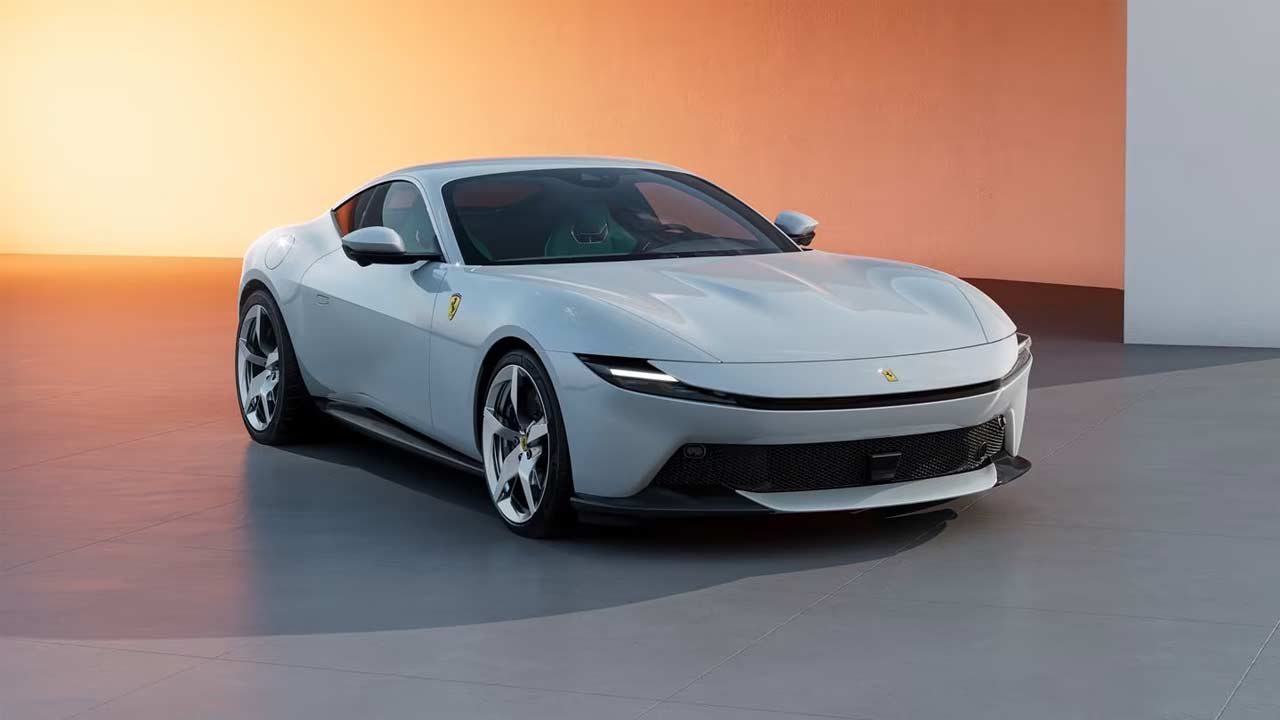
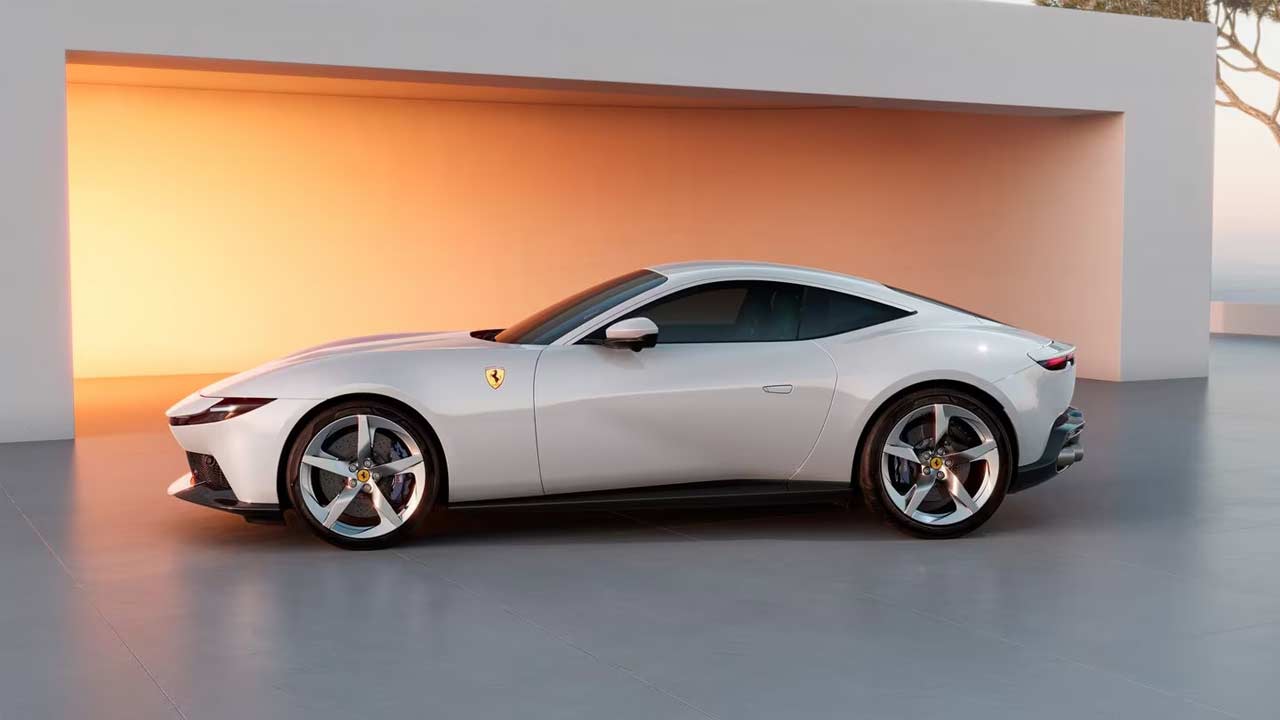
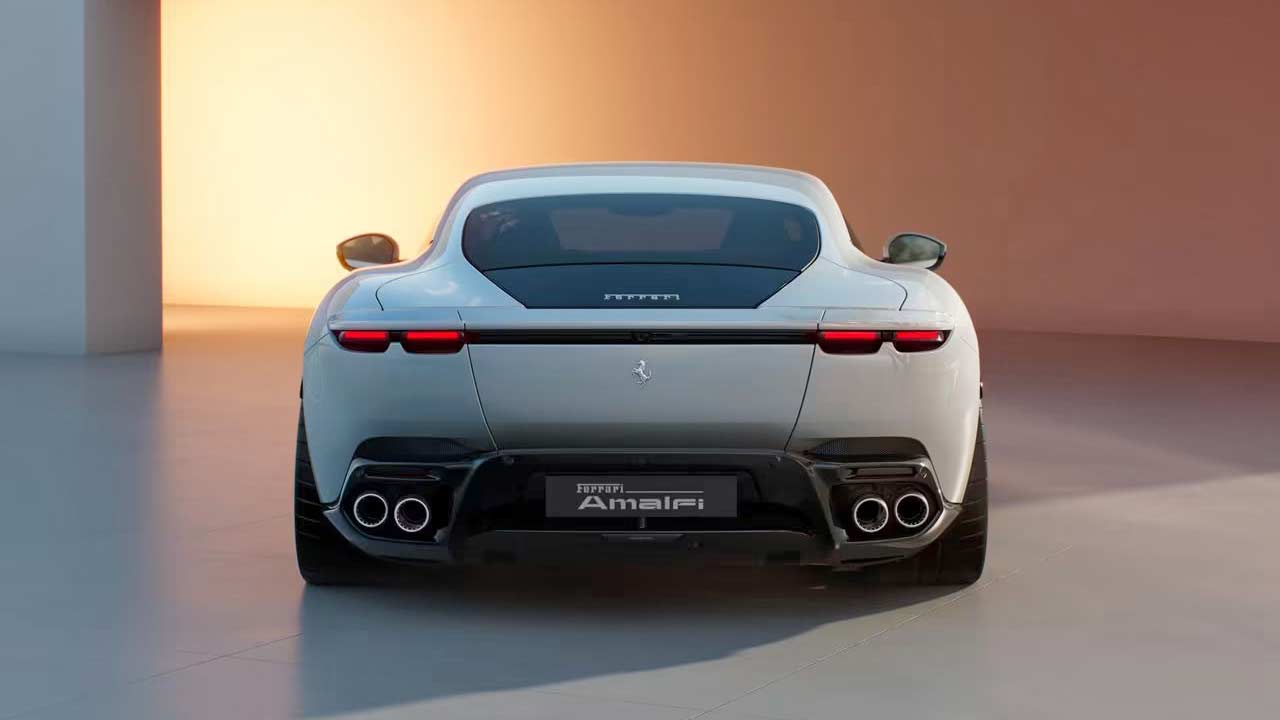
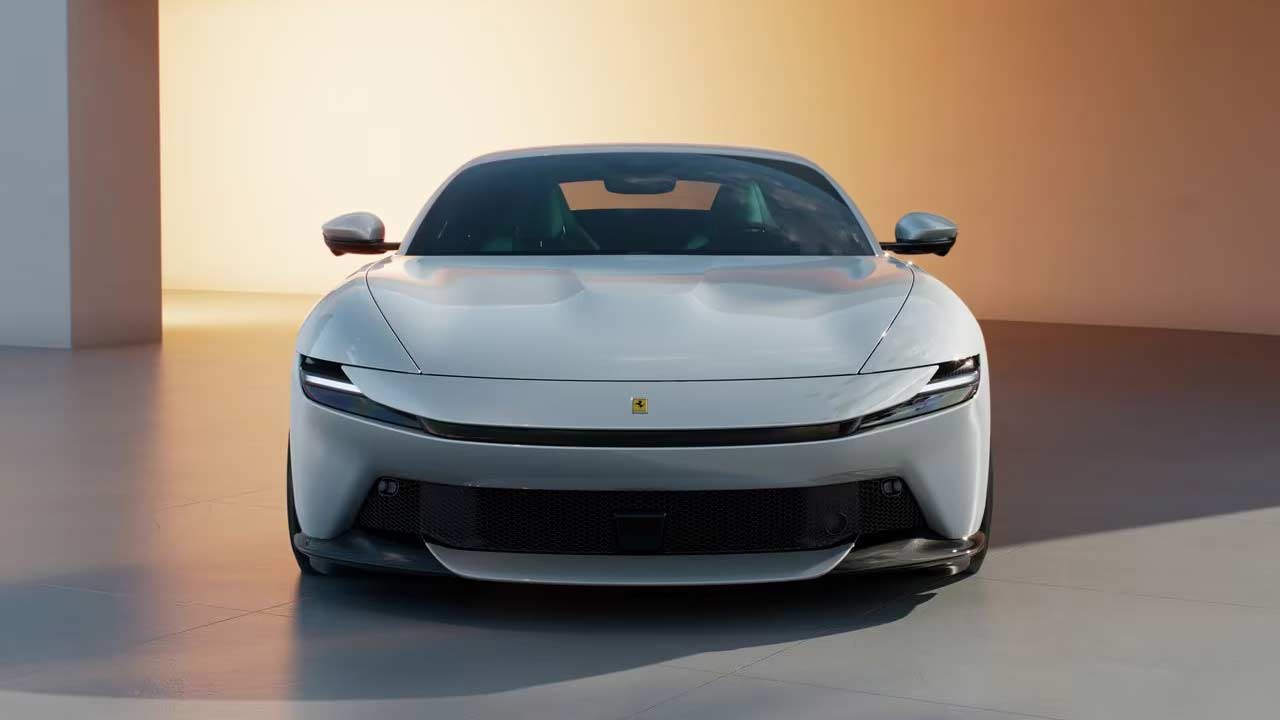
Let’s get the numbers out of the way, then, shall we? Powering the Amalfi is the same 3.9L (3,855 cc) twin-turbo V8 engine paired with an 8-speed DCT. Nope, no hybrid stuff here. Thanks to a few improvements, in this application, the powertrain offers 471 kW (640 metric hp) at 7,500 rpm and 760 Nm (560.5 lb-ft) of torque between 3,000 and 5,750 rpm.
There are 20 more horses than the Roma, but the torque remains unchanged. The engine revs up to 7,600 rpm. The dry weight (with optional lightweight content) is claimed to be 1,470 kg (3,240.8 lbs), which is only 2 kg (4.4 lbs) less than the Roma. The official 0-100 km/h (62 mph) sprint time is 3.3 seconds, and the top speed is claimed to be 320 km/h (199 mph).
Efforts were made to reduce mass: new lightweight camshafts (-1.3 kg) and a redesigned engine block with precision machining eliminated non-structural material, saving about one kilogram. For the first time in a Ferrari engine, a low-viscosity oil has been introduced, reducing cold resistance by 30% compared to the previous version, improving warm-up efficiency.
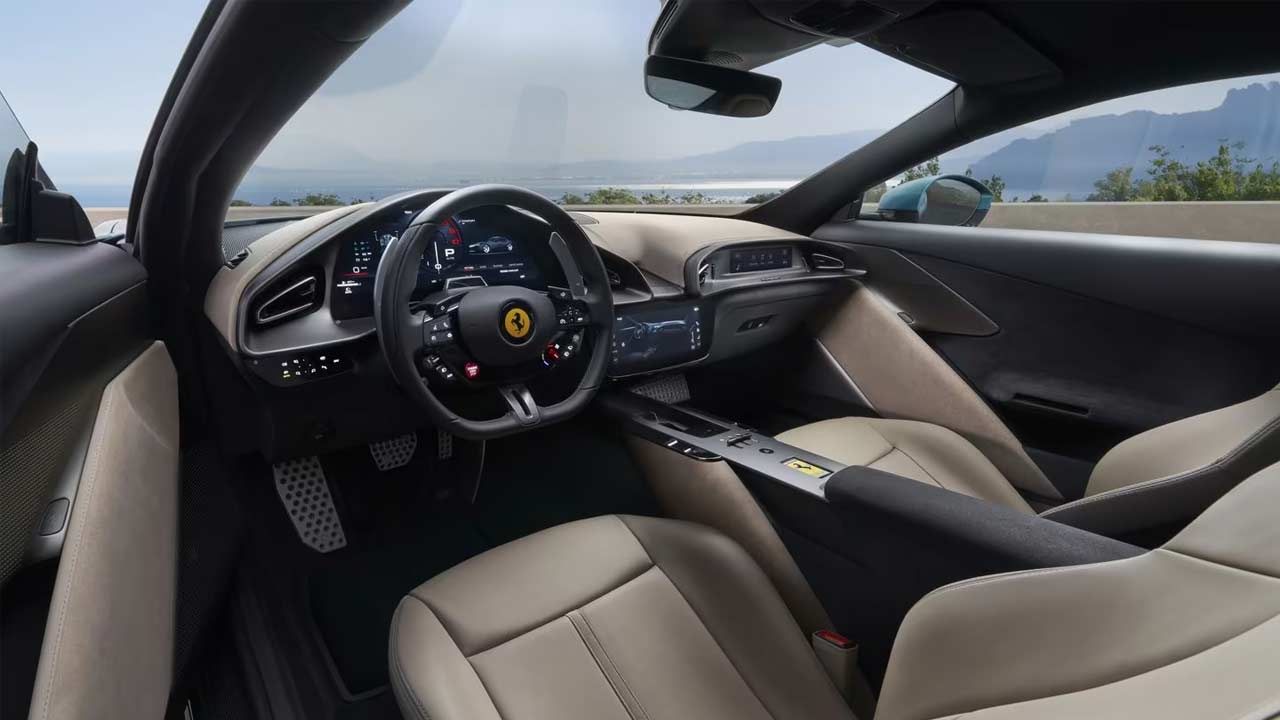
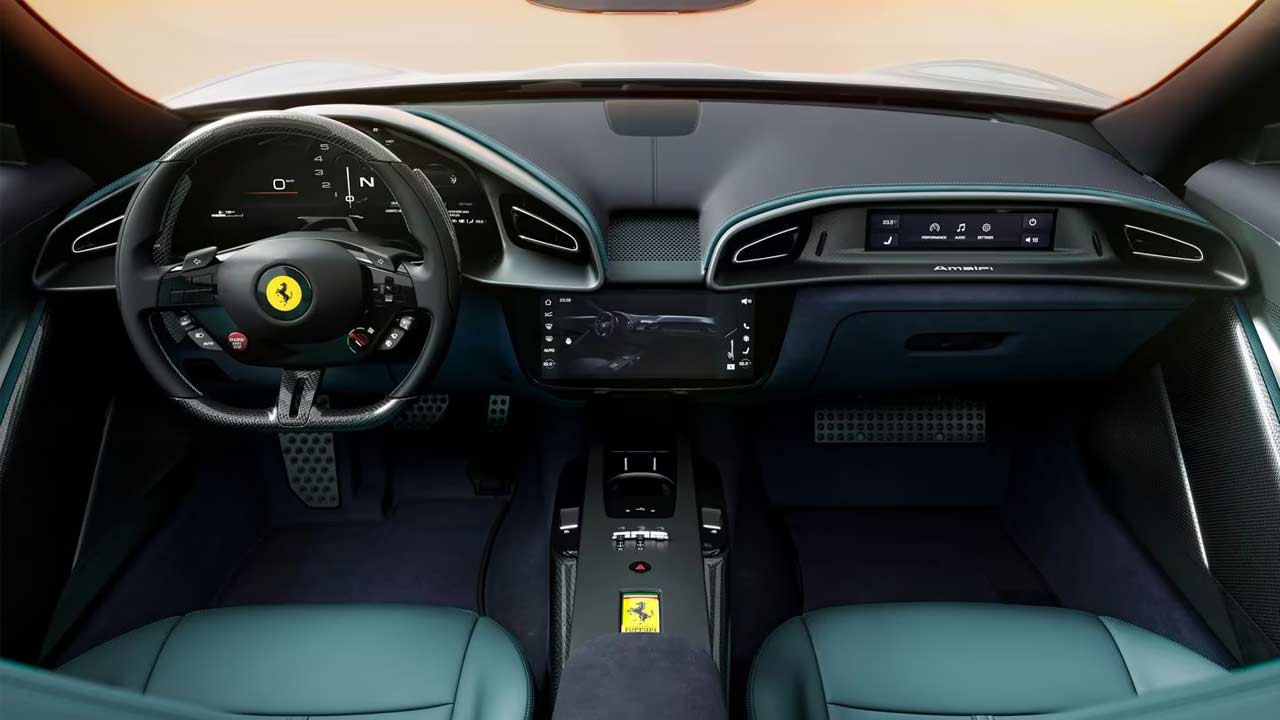
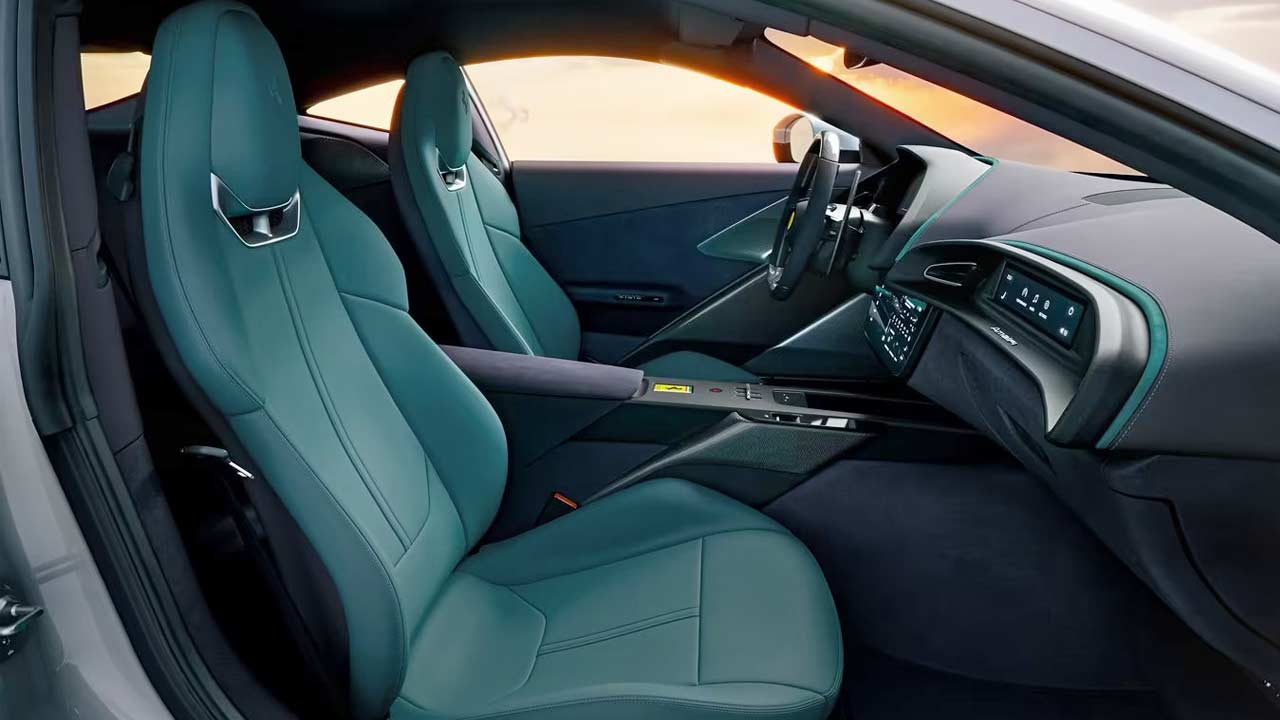
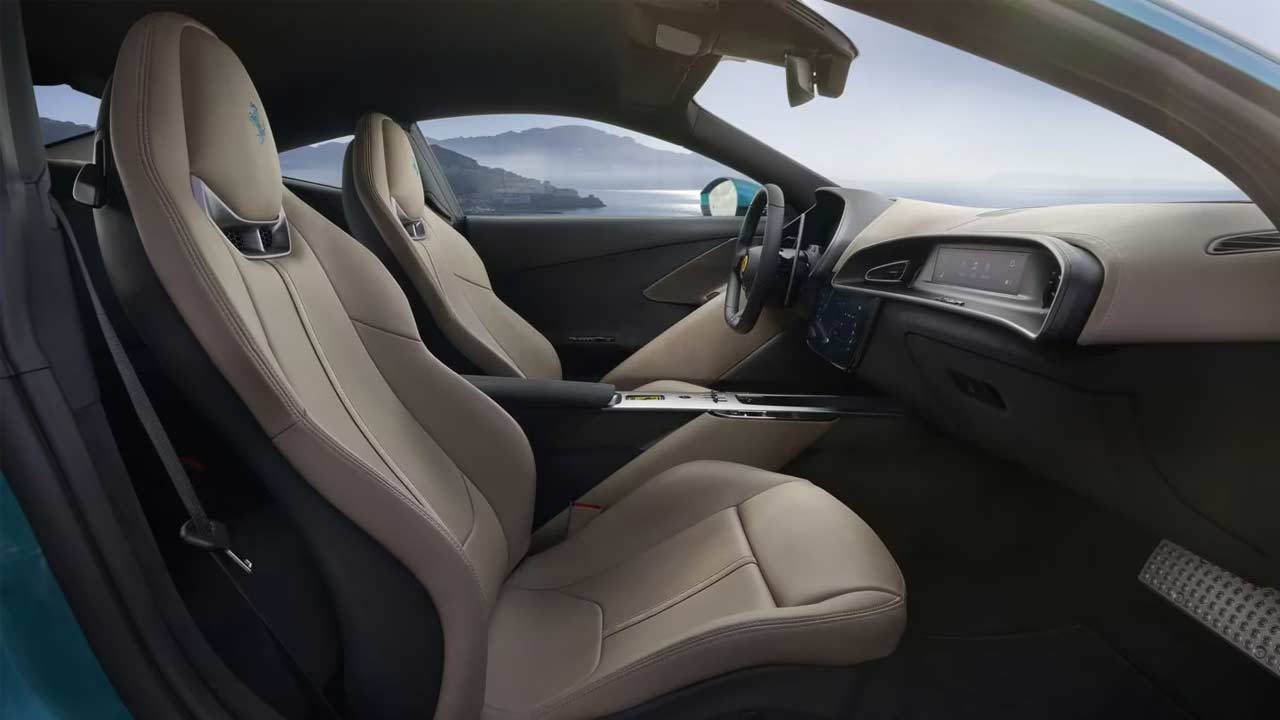
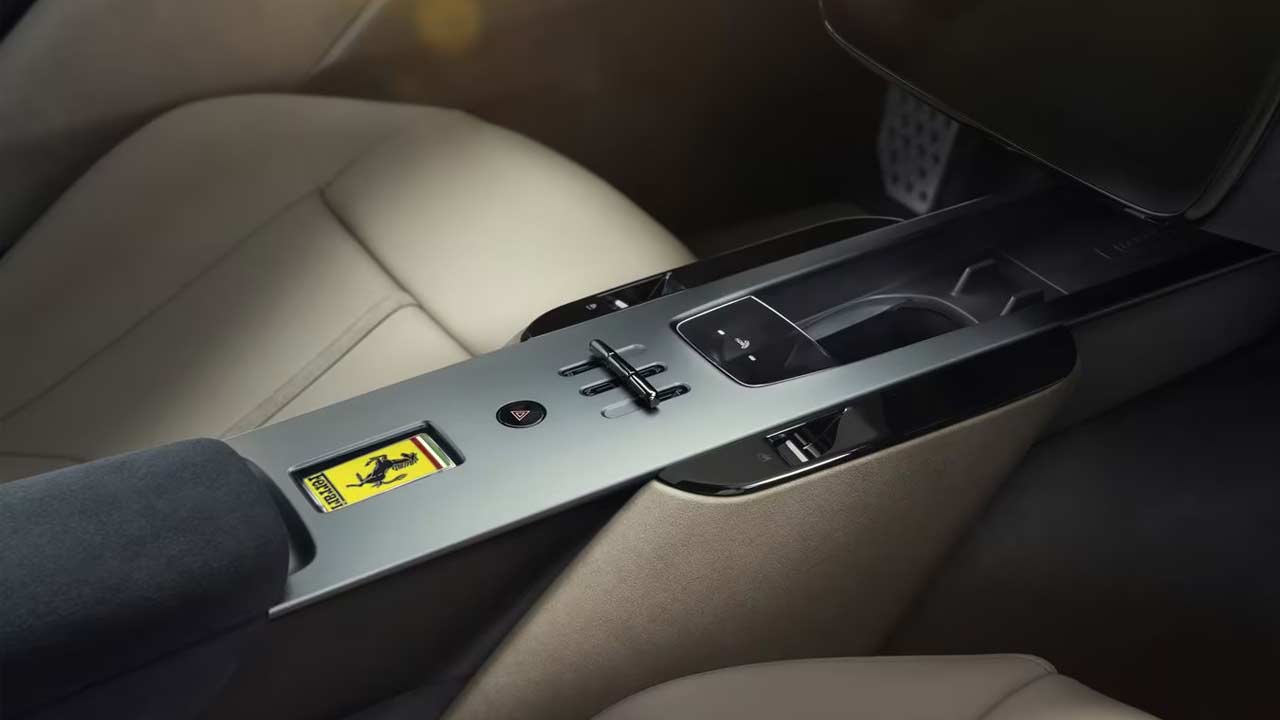
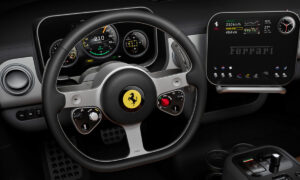
Inside, the Purosangue vibes are quite strong, but like I said, it is becoming the brand’s new design language. The dashboard houses a 15.6-inch digital instrument cluster, a 10.25-inch infotainment display, and an 8.8-inch passenger display. Thanks to all the customer/journalists’ feedback, there’s a new steering wheel with physical buttons, marking the return of tactile controls. Options include comfort seats with massage functions and a 14-speaker Burmester Premium Audio System.

Recommended for you



Leave a Reply
Note: Comments that are unrelated to the post above get automatically filtered into the trash bin.
Leave a Reply
Note: Comments that are unrelated to the post above get automatically filtered into the trash bin.