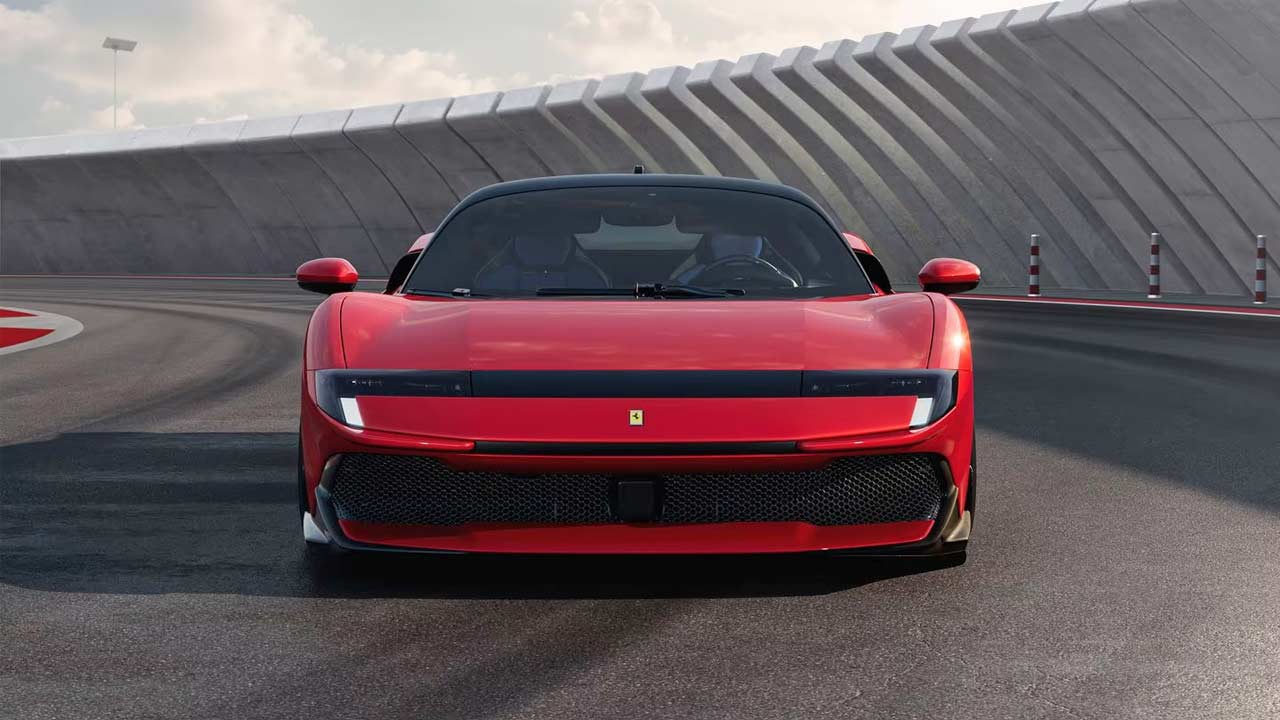
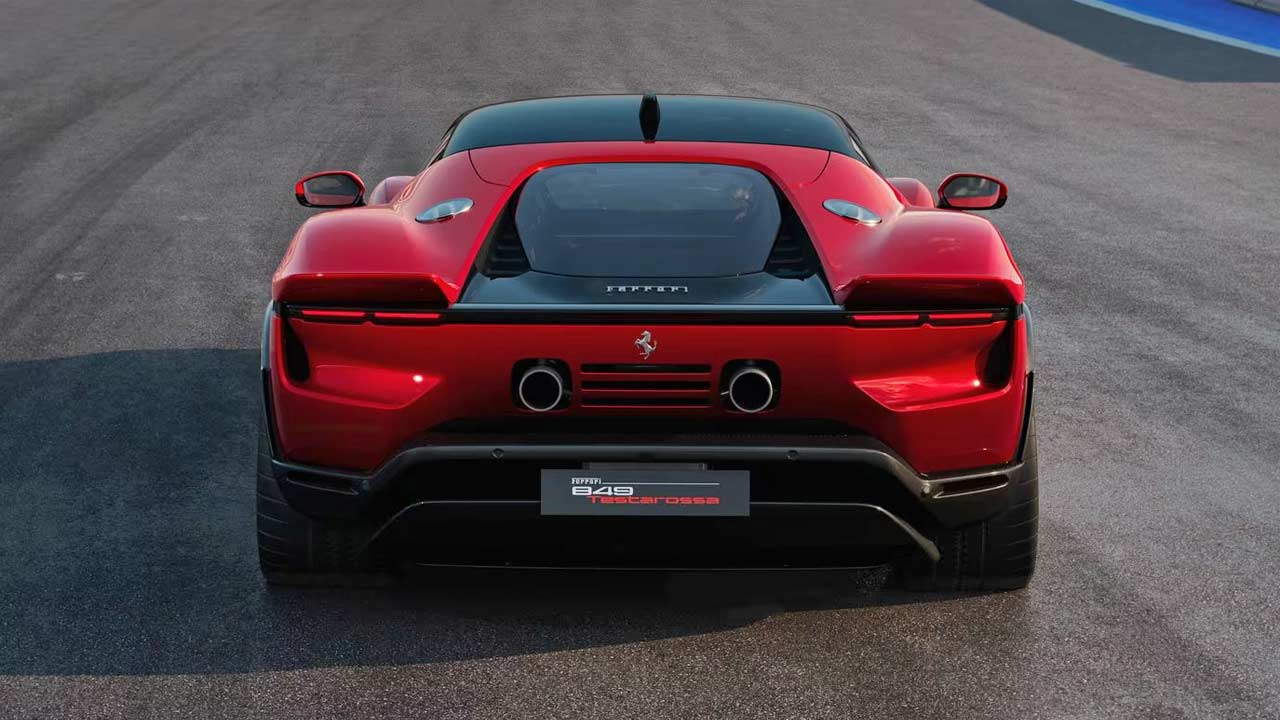
Ferrari took the wraps off the 849 Testarossa, the successor to the SF90 Stradale. It’ll be available as the regular 849 Testarossa and the 849 Testarossa with the optional Assetto Fiorano package. The 849 Testarossa Spider is also available. Production is expected to begin in mid-2026. As always, Ferrari didn’t disclose the prices, but according to a couple of reliable sources, the base price starts at around $540,000 or €460,000.
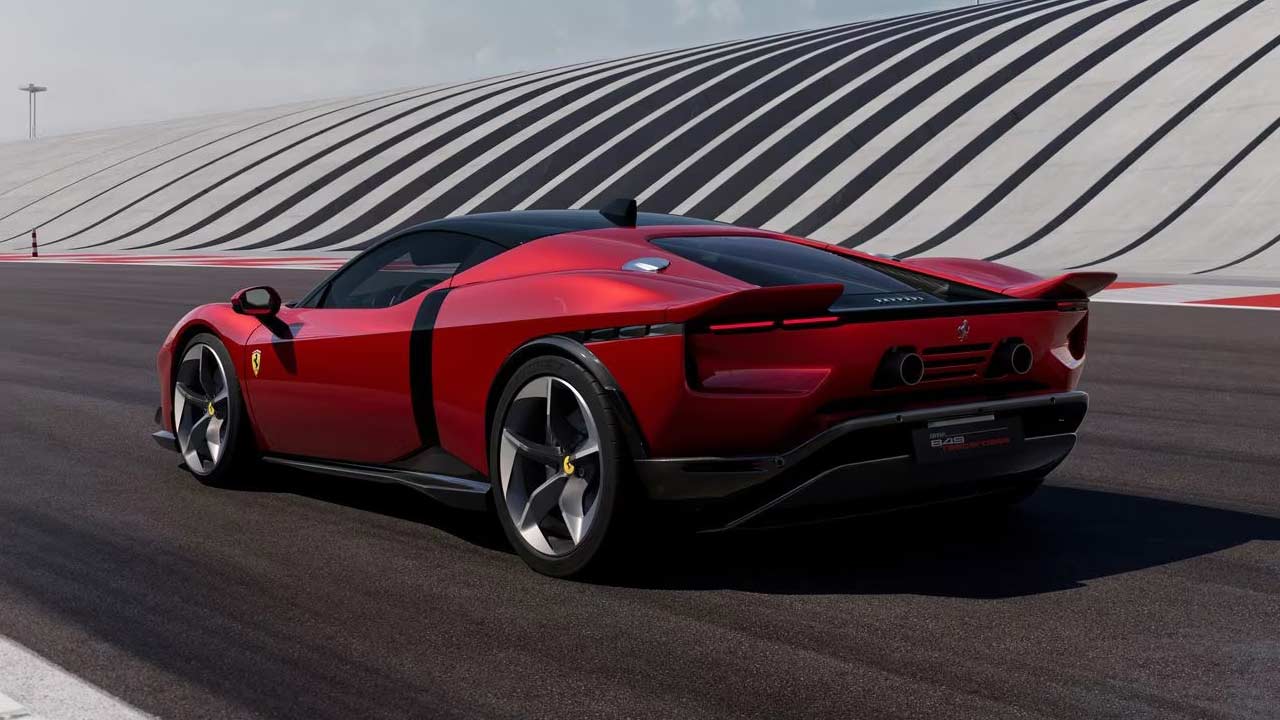
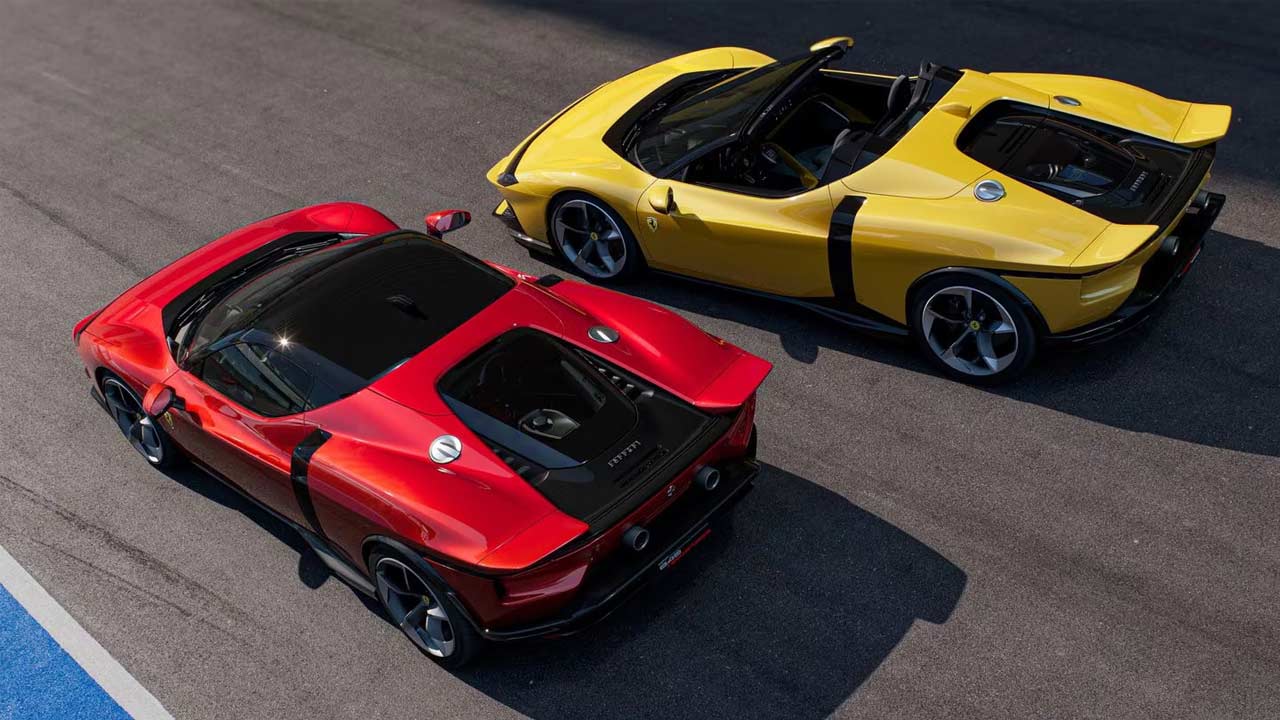
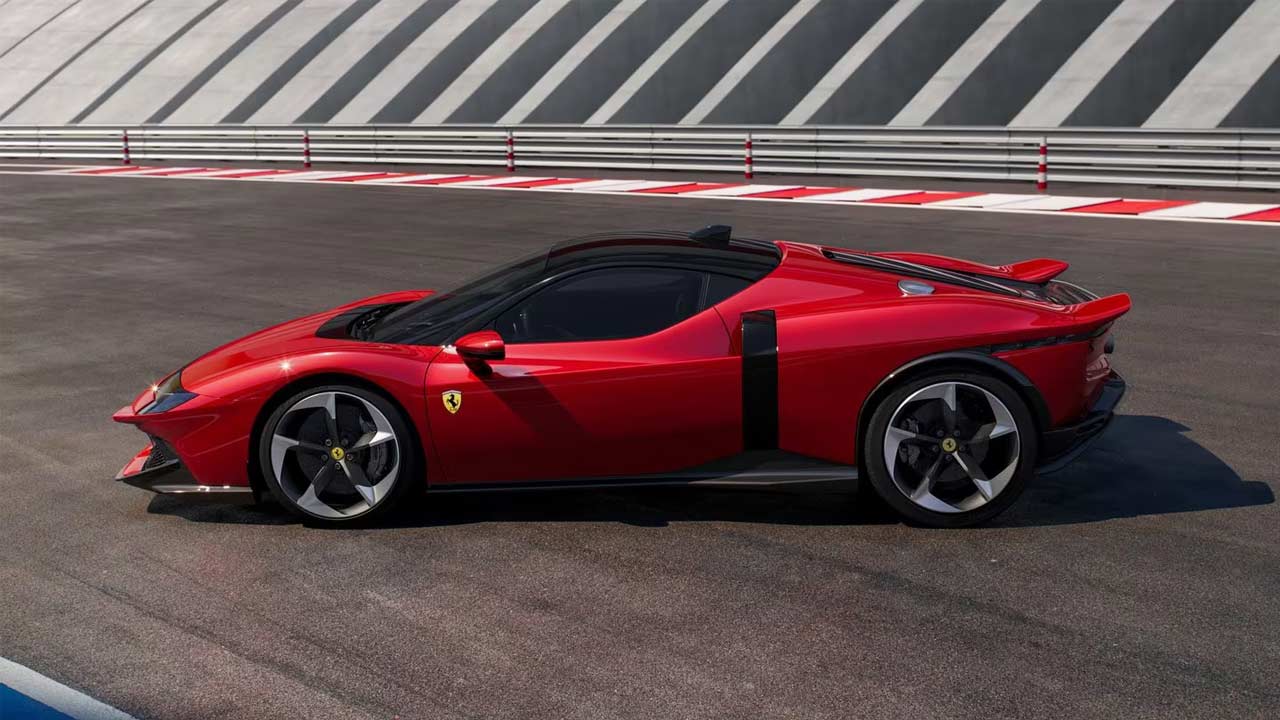
While the name comes from the ’80s Testarossa, one of Ferrari’s successful models, the design appears to have divided the people. I’ve seen some strong opinions on the internet, but according to Ferrari, the styling theme follows what we’ve already seen on the 12Cilindri and the F80. Elements borrowed (or, “inspired”, if you prefer) from historical models include those tails at the back—integrated with the active wing—from the 512 S.
Ferrari claims that the Testarossa generates a total downforce of 415 kg (915 lbs) at 250 km/h (155 mph), an increase of 25 kg (55 lbs) compared with the SF90 Stradale, while the cooling performance improved by 15%. Other improvements include a 3% increase in lateral performance (compared with the SF90 Stradale), thanks to the new tyres and specific suspension setup, which also resulted in a 35% reduction in the weight of the road springs. The roll gradient has been reduced by 10%.
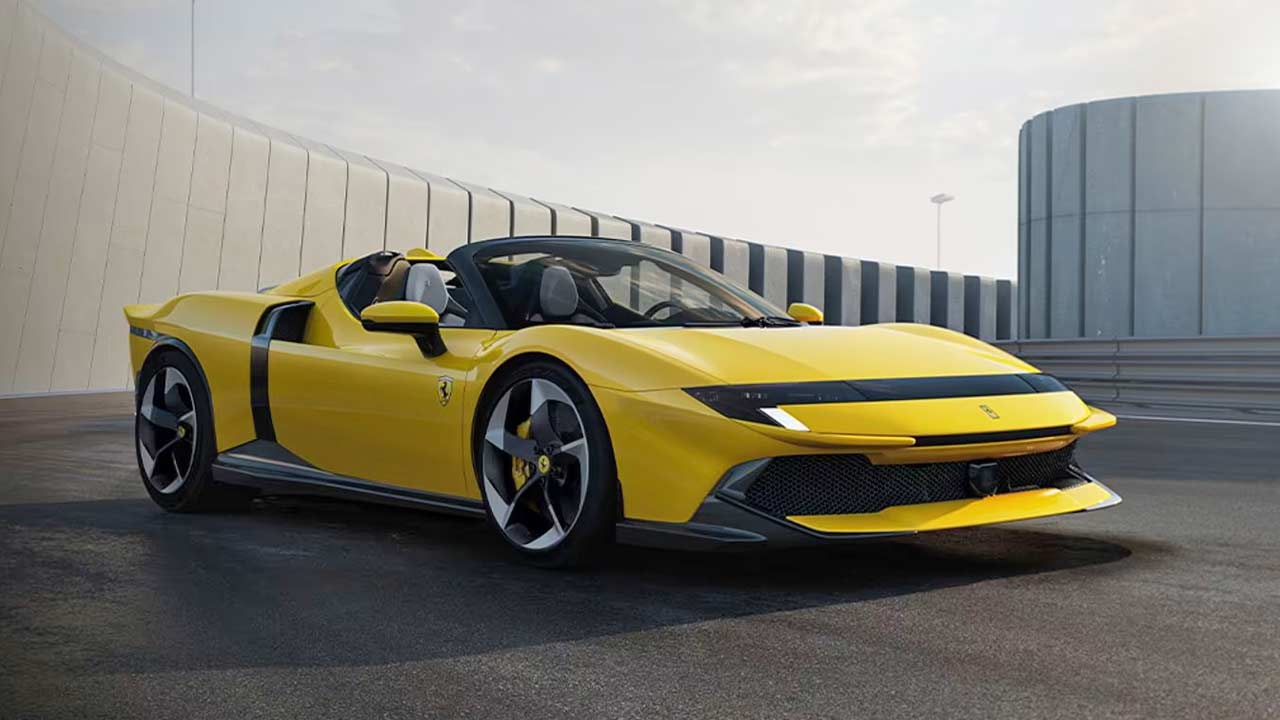
The car rides on 20-inch rims wrapped with Pirelli PZero R or Bridgestone Potenza Sport tyres as standard, but the Michelin Pilot Sport Cup2R tyres are available on request. The tyres measure 265/35 R20 at the front and 325/30 R20 at the rear. The rotors measure 410 mm at the front and 372 mm at the rear.
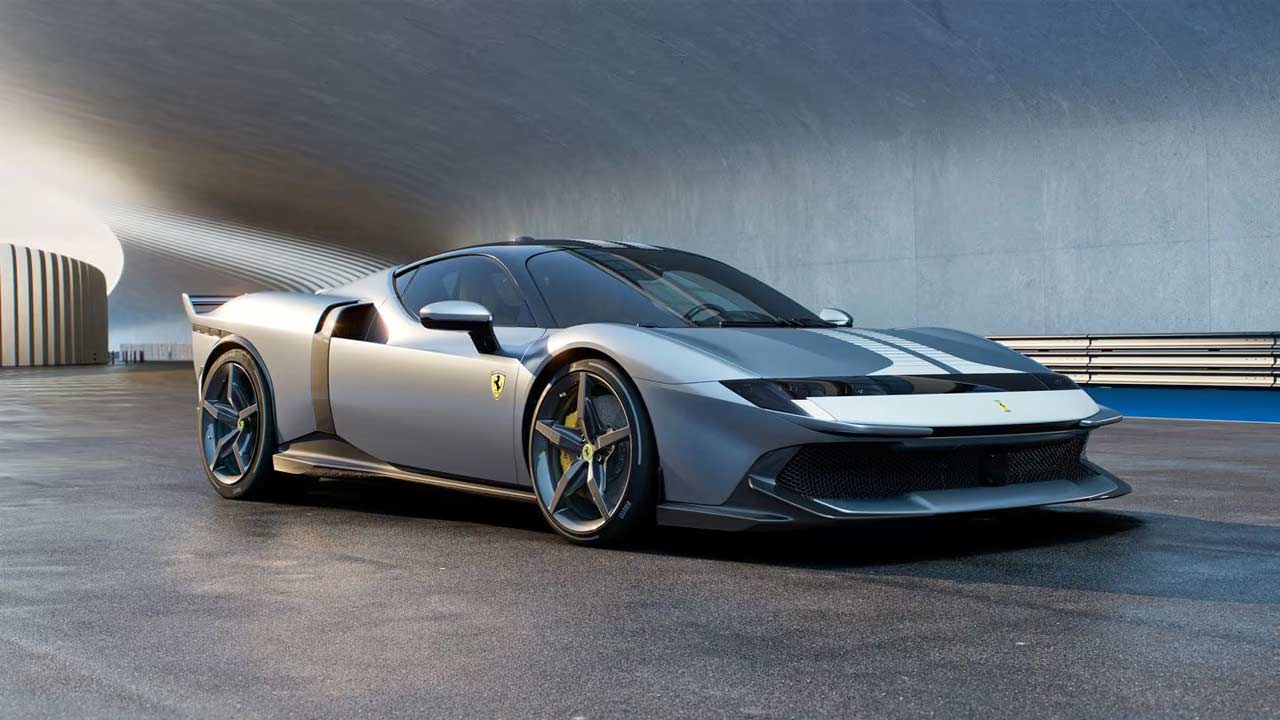
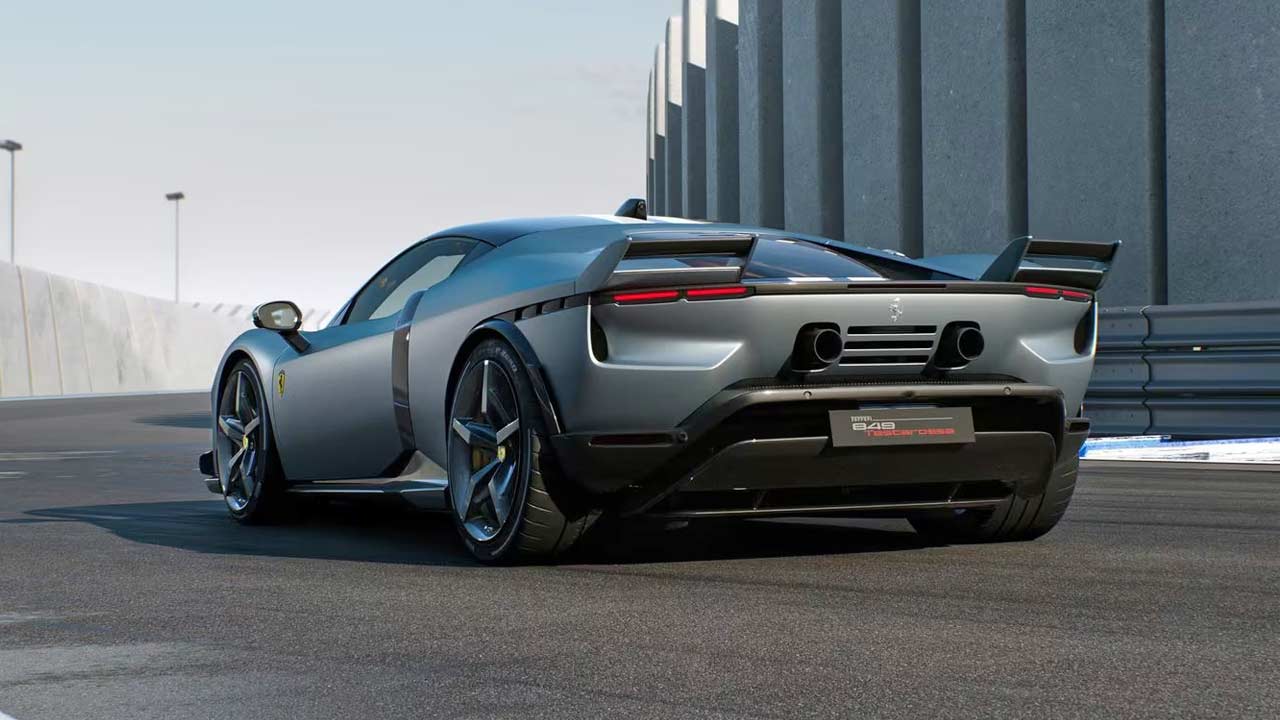
Let’s talk about the 849 Testarossa Assetto Fiorano, then, shall we? To begin with, it wears a more aggressive bodykit with elements including a larger front spoiler, additional pair of vortex generators underfloor, and two twin wings replacing the twin tails. Those 20-inch carbon fibre wheels are wrapped with Michelin Pilot Sport Cup2 tyres as standard.
The package also boasts stiffer, single-rate Multimatic shock absorbers, with springs lightened by 35% and a roll gradient reduced by 10%. For the first time in Assetto Fiorano, a front lift system is available—in combination with the semi-active Magneride suspension. The Assetto Fiorano spec is claimed to offer an overall weight reduction of 30 kg (66 lbs), thanks to generous usage of materials such as carbon fibre and titanium. The lightweight tubular seats, for example, are claimed to save 18 kg (40 lbs) compared with the standard seats.
Moving on to the juicy bits of the story then, the 849 Testarossa is a plug-in hybrid sports car, just like its predecessor. The powertrain combines a revised 4.0L twin-turbo V8 (F154 FC) engine with three electric motors, two of which are on the front axle. The third electric motor, the MGU-K (Motor Generator Unit-Kinetic), is hooked-up with the 8-speed DCT, driving the rear axle. Which means, the whole combination makes the 849 Testarossa an all-wheel-drive vehicle. A 7.45 kWh lithium-ion battery pack enables an electric-only range of up to 25 km (15.5 mi), which isn’t bad at all. You can daily drive this to your office in electric mode, and fire-up the V8 during weekends. In eDrive, you get up to 120 kW or 163 metric hp.
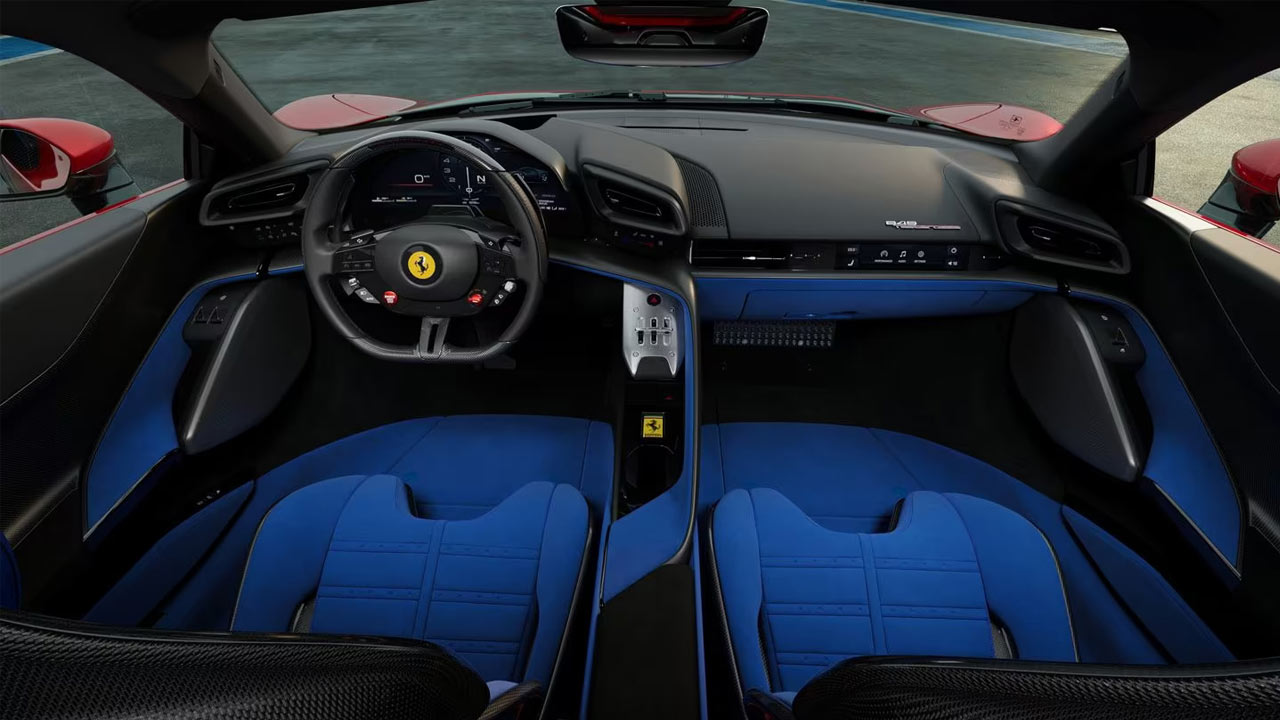
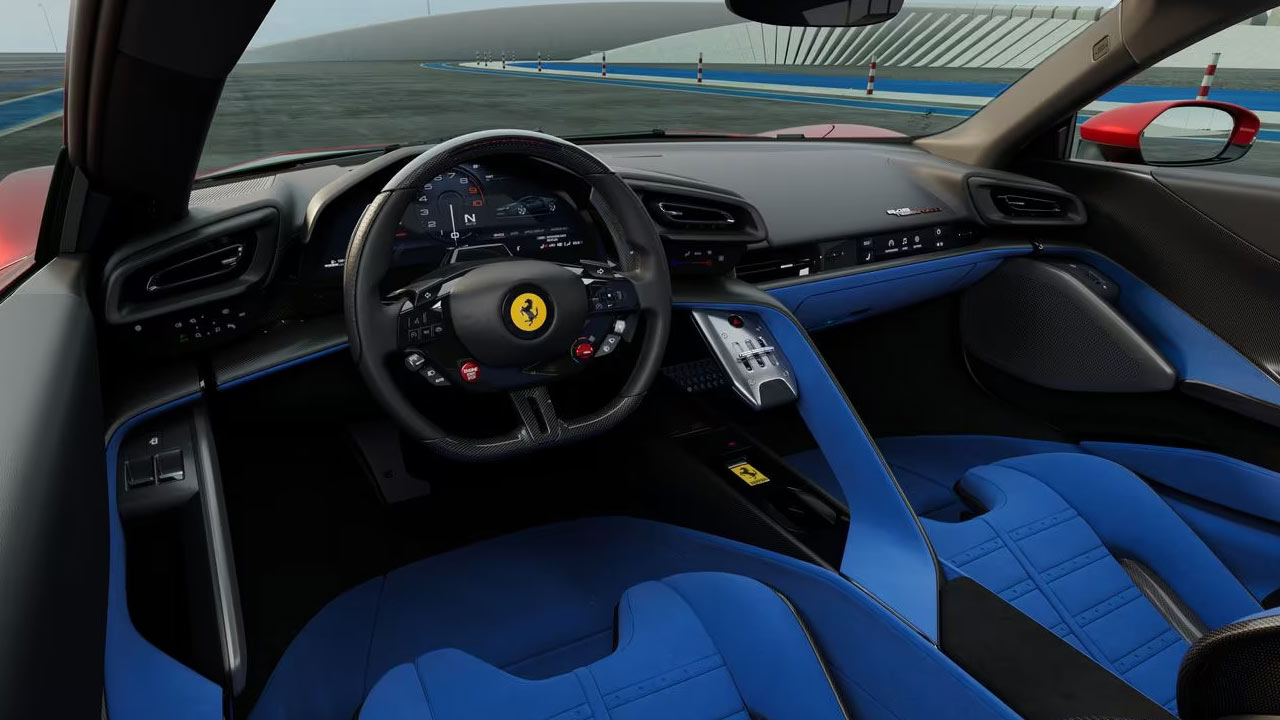
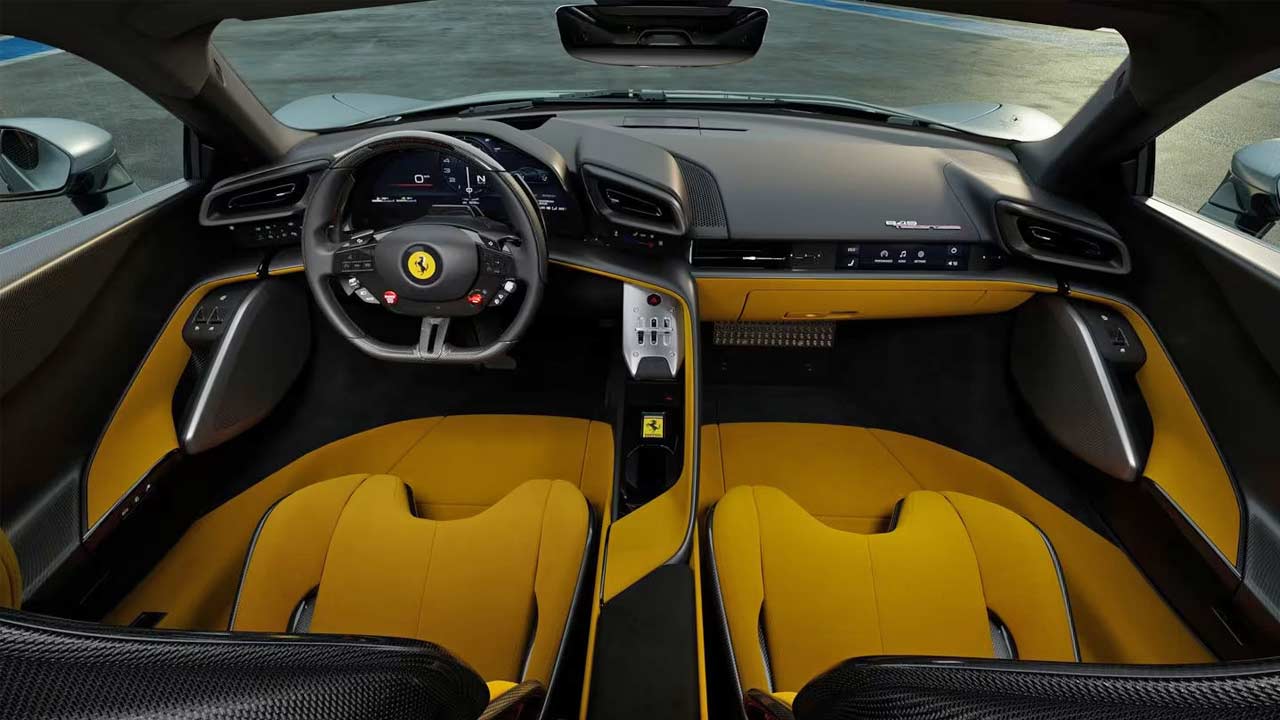
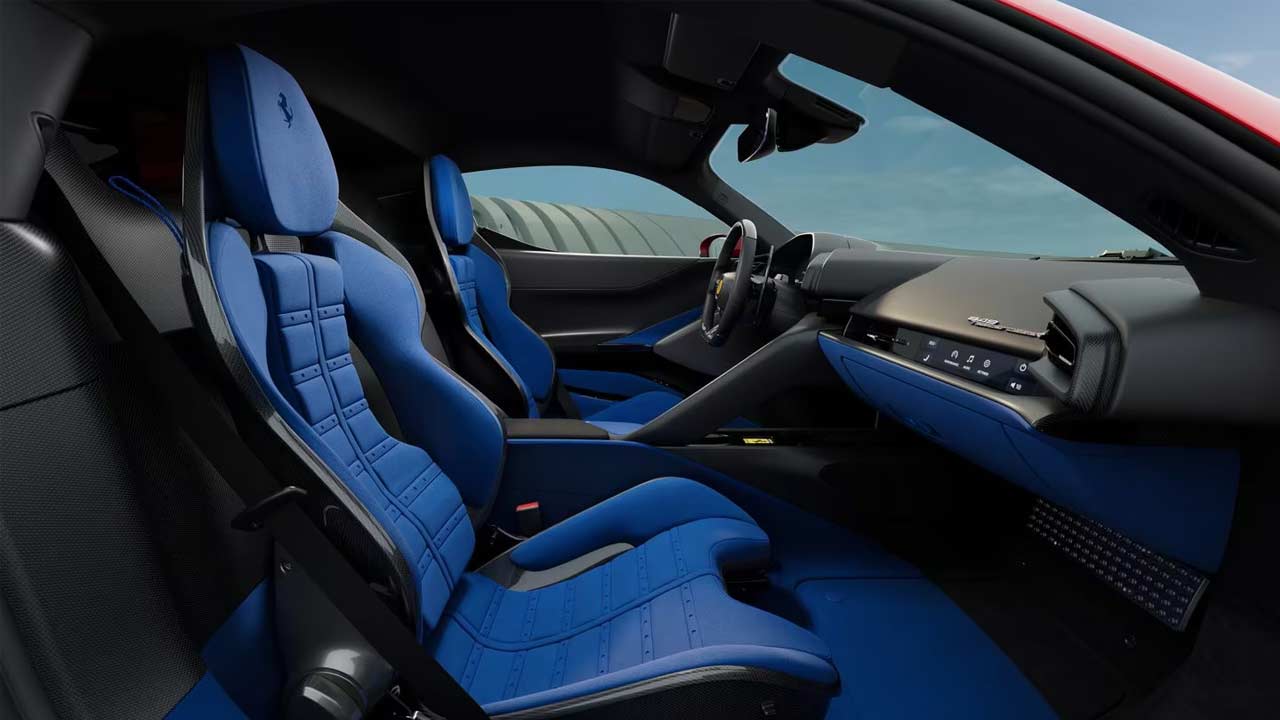
The ICE pumps out 610 kW (830 metric hp) at 7,500 rpm and 842 Nm (621 lb-ft) at 6,500 rpm. The engine revs up to 8,300 rpm. The combined power output is 772 kW (1,050 metric hp). Ferrari claims a dry weight of 1,570 kg (3,461 lbs) with the optional content. The official 0-100 km/h (62 mph) sprint time is claimed to be less than 2.3 seconds, while the top speed is over 330 km/h (205 mph).

Recommended for you



Leave a Reply
Note: Comments that are unrelated to the post above get automatically filtered into the trash bin.
Leave a Reply
Note: Comments that are unrelated to the post above get automatically filtered into the trash bin.