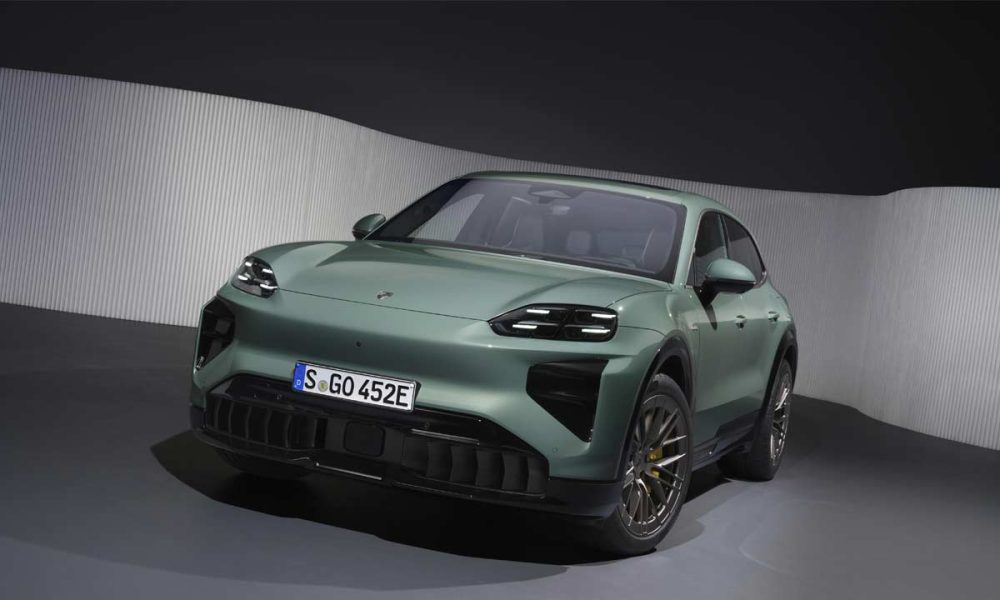
Alright, before we dive deep into the world of the Porsche Cayenne Electric, let’s get the important bits out of the way. While it is true that the 4th-gen Cayenne will be exclusively sold as a battery-electric vehicle, the existing set of powertrain options will continue to be sold in parallel at least until 2030, thanks to Porsche’s revised strategy. In other words, both the 3rd and 4th generation Cayenne will be sold in parallel, which should make all types of Cayenne customers happy.
 L-R: Cayenne Turbo E-Hybrid, Cayenne Turbo Electric, Cayenne GTS Coupé
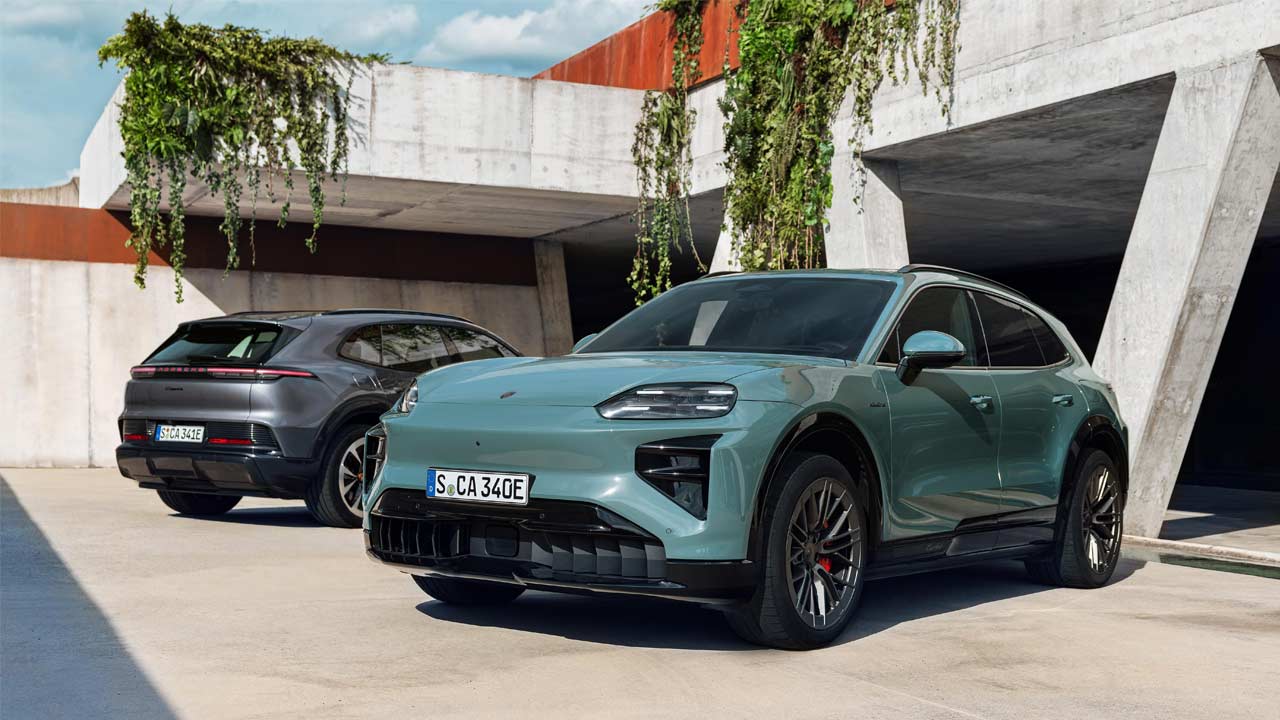
Now that’s out of the way, let’s talk about the Cayenne Electric. More photos here. Initially, there will be two variants to choose from: Cayenne Electric and Cayenne Turbo Electric, priced at €105,200 and €165,500, respectively, in Germany (prices include VAT).
The design comparison you’ve been waiting. Does the Cayenne Electric look Porsche enough?#Porsche #CayenneElectric #PorscheCayenneElectric #CayenneEV #CayenneGTS #PorscheCayenne pic.twitter.com/bjr5WDfHTR
— Sagar (@autodevot) November 21, 2025
The comments on the internet suggest that the fans and enthusiasts appear to be severely disappointed with the design of the Cayenne Electric. I know, this happens with every new car launch…but something about the Cayenne Electric doesn’t feel right. I mean, it doesn’t give off Porsche vibes, especially its side and rear profiles. More specifically, the side profile makes it look more like a Volkswagen ID. SUV. I just don’t see a Porsche from the side, and I’m not alone with that opinion.
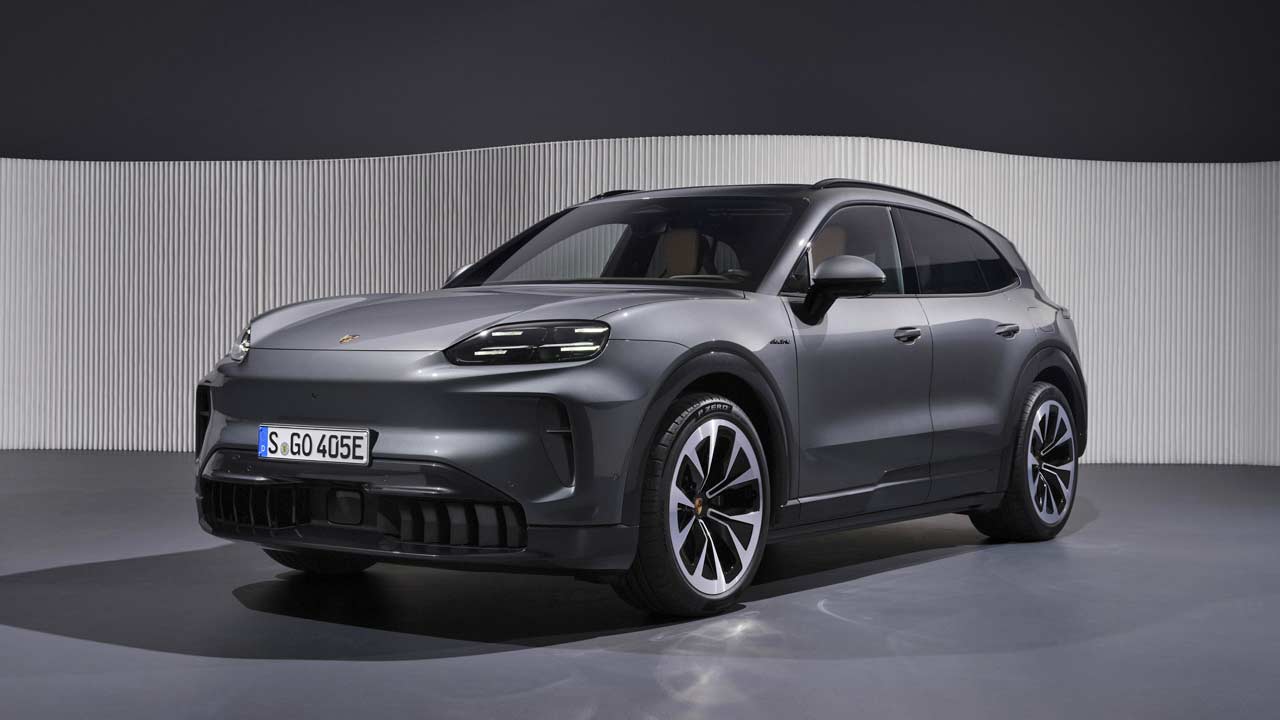
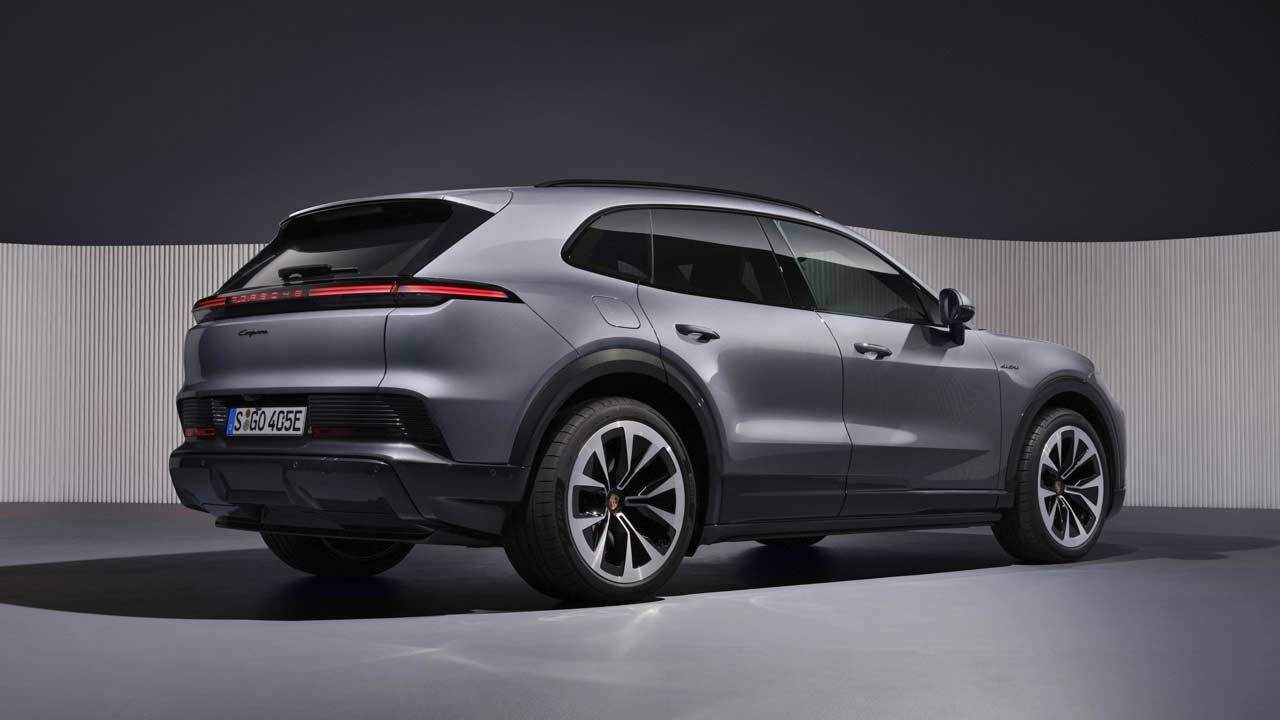
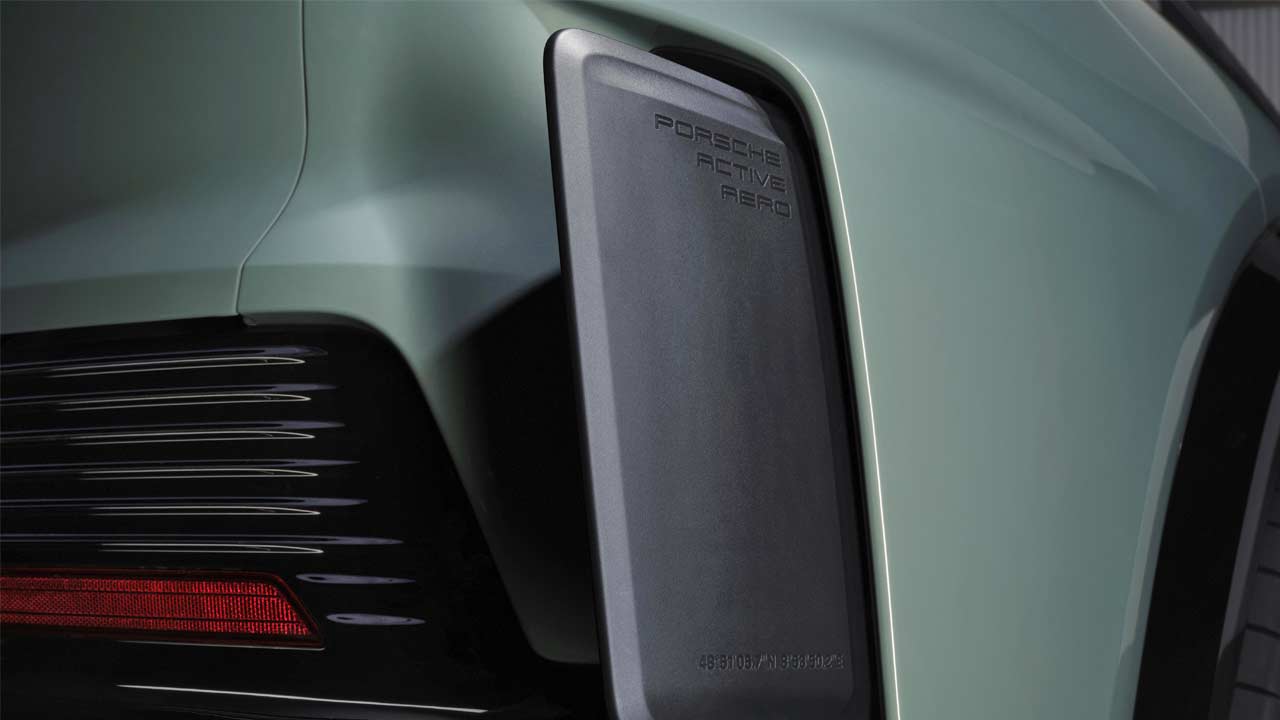
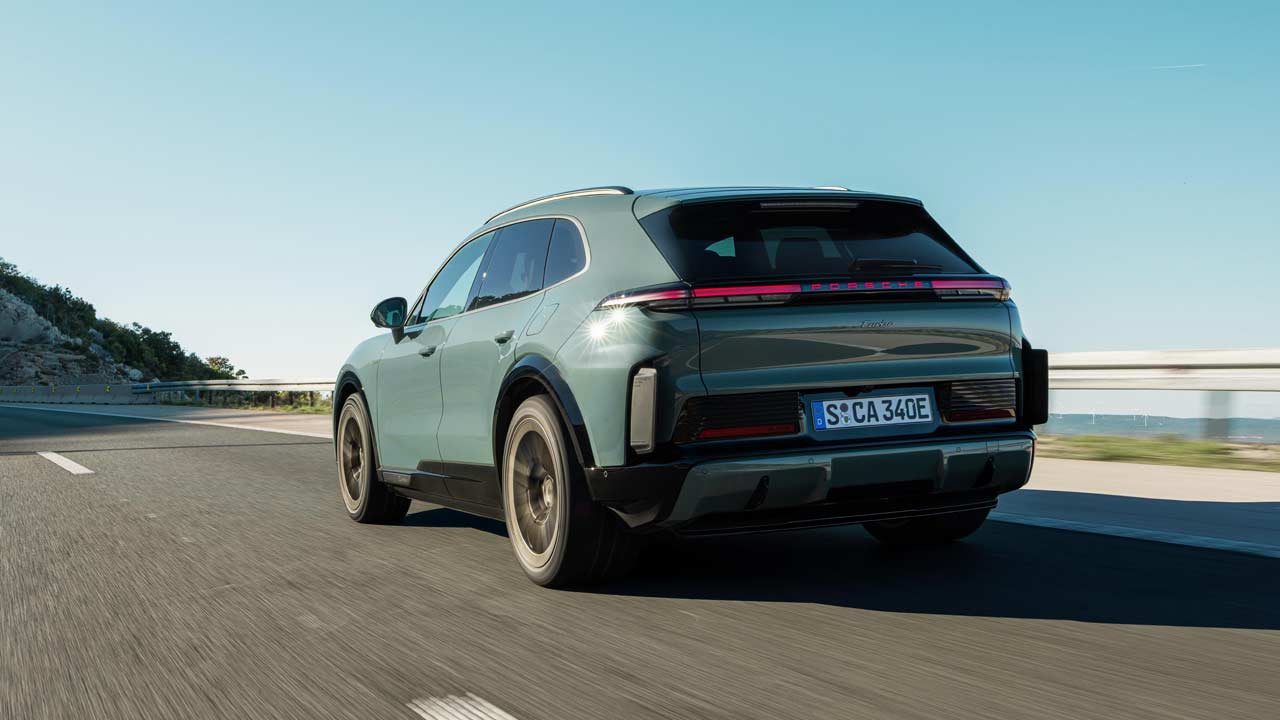
But anyway, the Cayenne Electric boasts a few active aero elements, including the cooling flaps at the front, similar to what we have seen in the updated 911 models, an integrated roof spoiler, and so-called aeroblades at the rear. The aero blades are exclusive to the turbo model, and they are claimed to increase the range at high speeds. With a drag coefficient of 0.25 Cd, the Cayenne Electric is claimed to be one of the most aerodynamic SUVs in its class.
Built on the Premium Platform Electric (PPE), the Cayenne Electric is 55 mm longer than the combustion-engined model. It measures 4,985 mm long, 1,980 mm wide and 1,674 mm high. The wheelbase of 3,023 mm is 128 mm extra compared with the 3rd-gen Cayenne. In addition to a luggage capacity of up to 1,588 liters, there’s a 90-litre frunk. Wheel sizes range between 20- and 22-inches, depending on the variant and options.
The Adaptive air suspension with Porsche Active Suspension Management (PASM) is fitted as standard on both models. The Turbo boasts the Porsche Torque Vectoring Plus (PTV Plus) limited-slip rear differential. The rear-axle steering is a €1,701.70 option, while the Porsche Active Ride, available on the Turbo, is a €8,324.05 option.
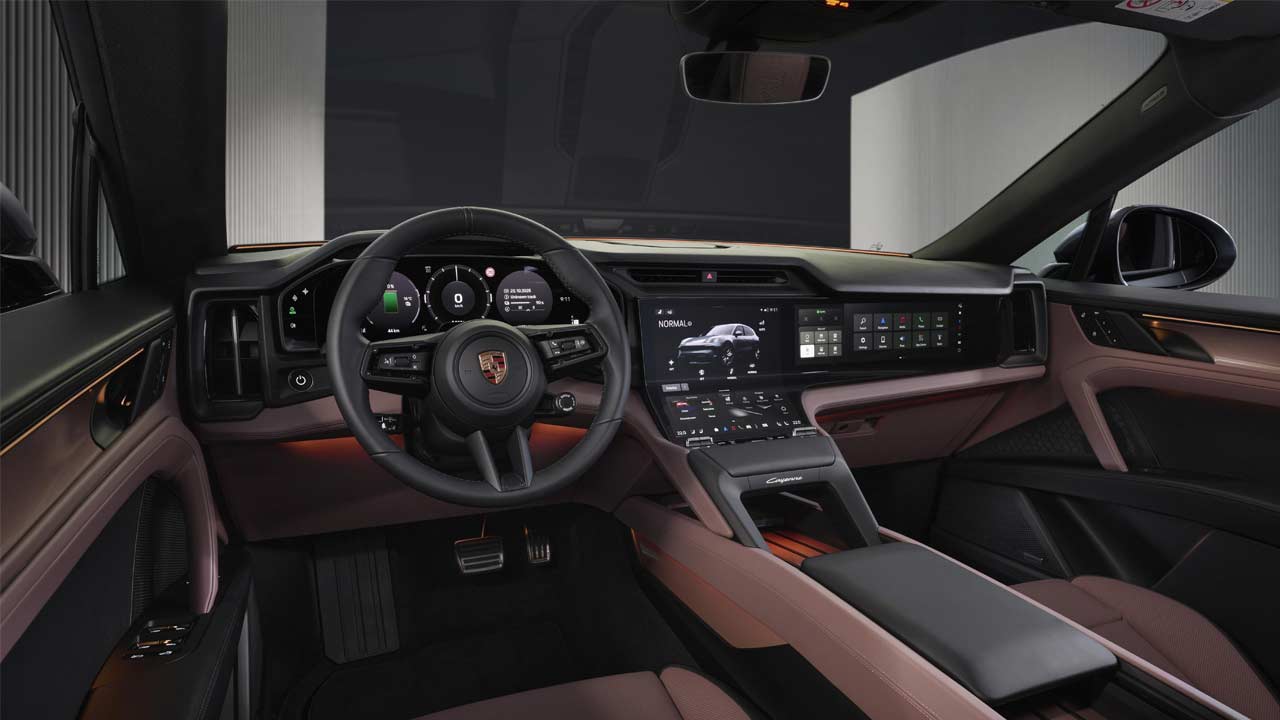
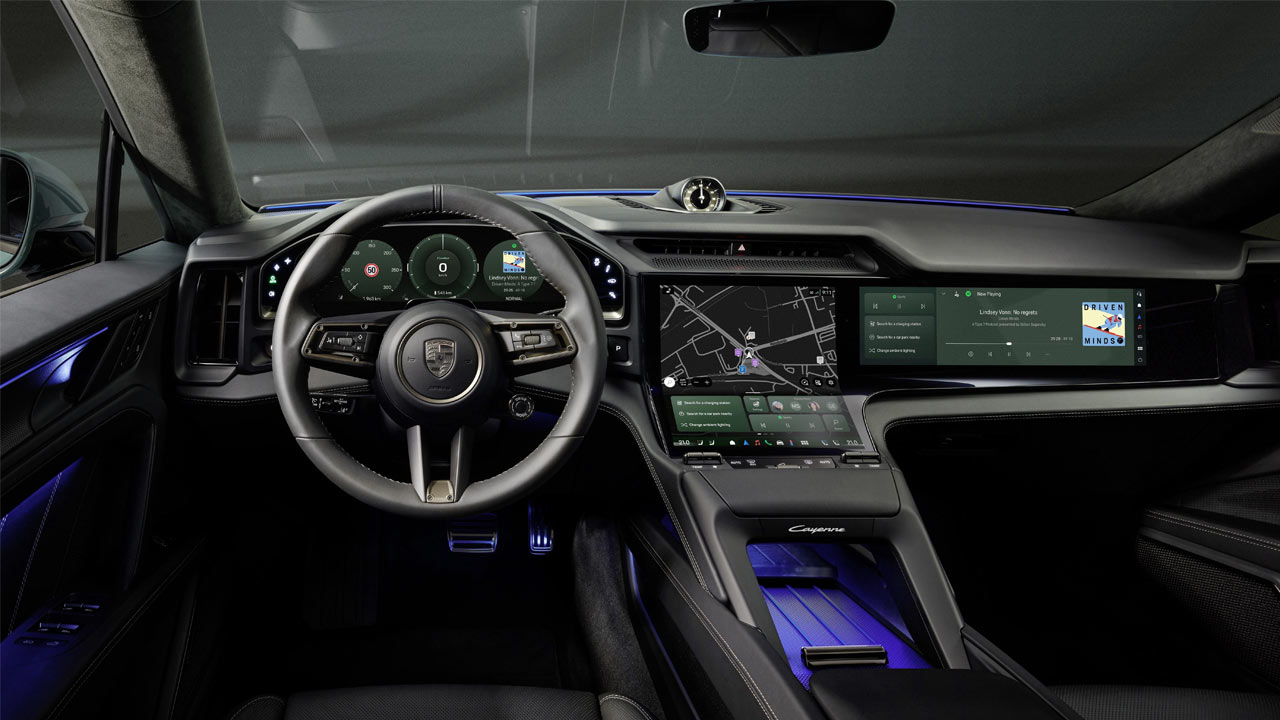
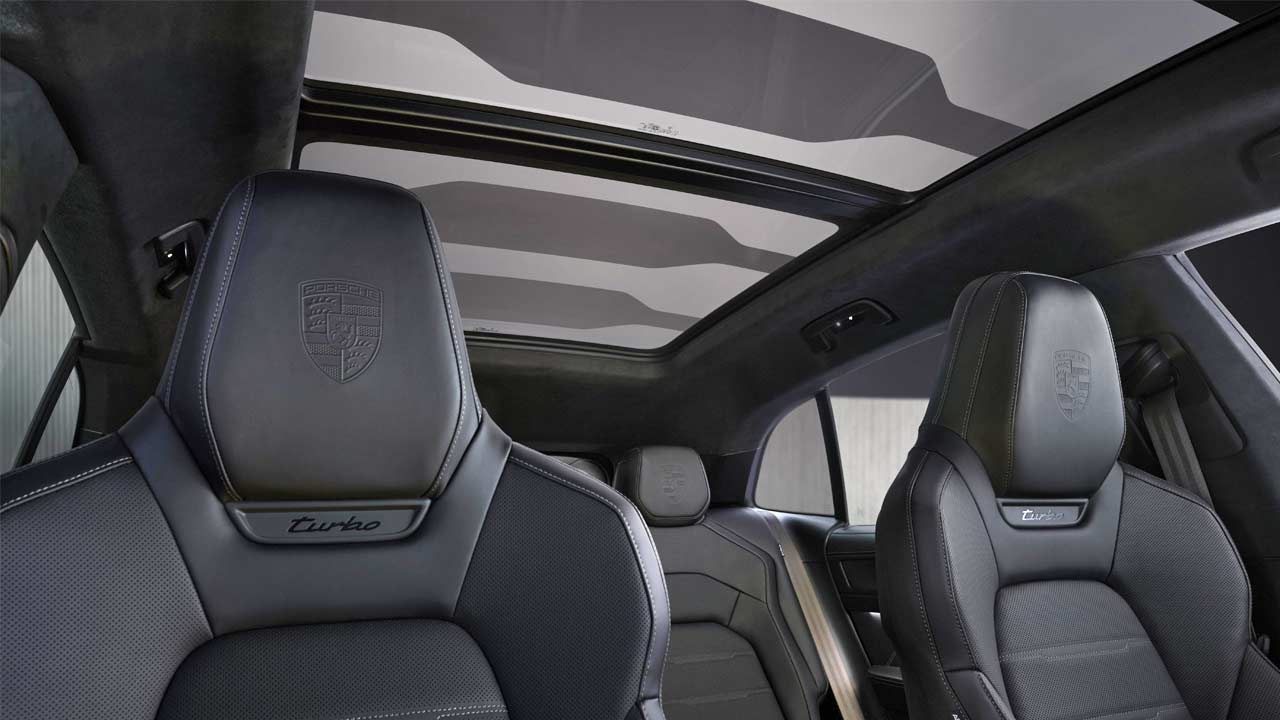
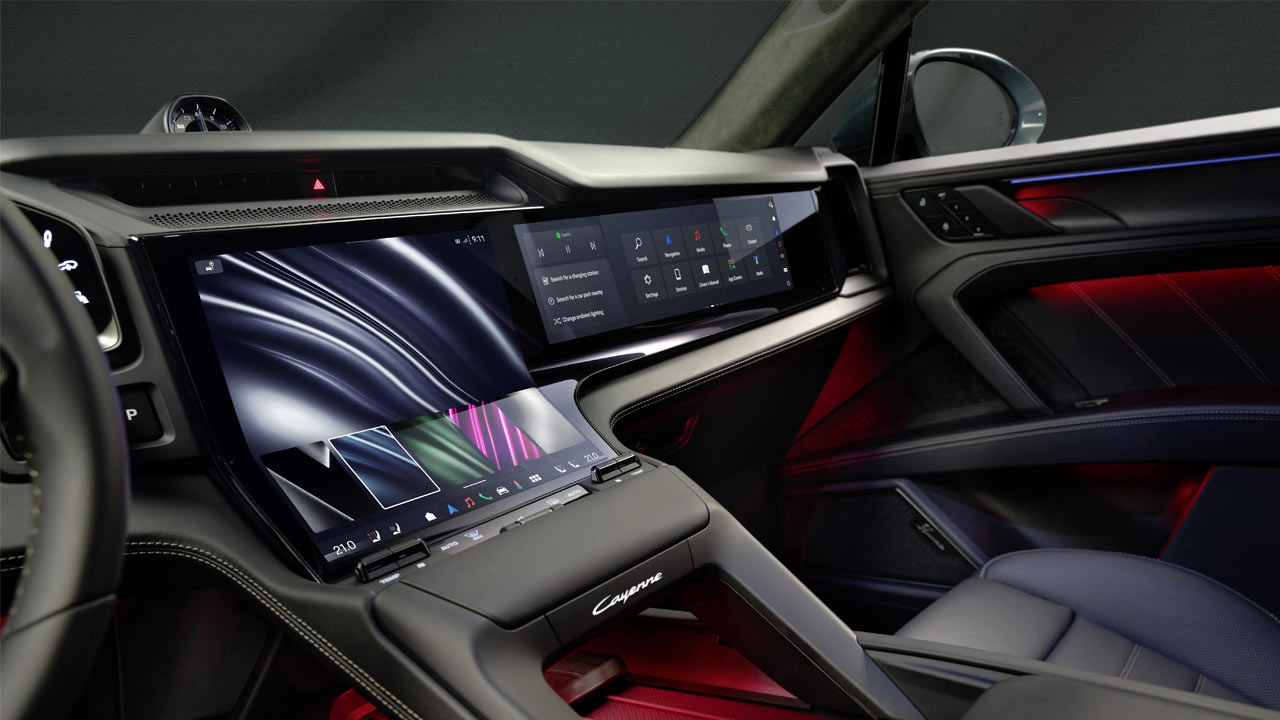
By the way, if you want that sliding panoramic sunroof, it’s a €1,798.09 option, and if you want it with Variable Light Control, the option bill jumps to a cool €5,236. Read more about the interior here.
Let’s move to the business end of the story. Both models are dual-motor all-wheel-drive. In normal operation, the Cayenne Electric offers a combined power output of 300 kW (408 metric hp). With Launch Control, you get up to 325 kW (442 metric hp) and 835 Nm (616 lb-ft) of torque. With Launch Control active, the 0-100 km/h (62 mph) sprint time is 4.8 seconds. The top speed is 230 km/h (143 mph).
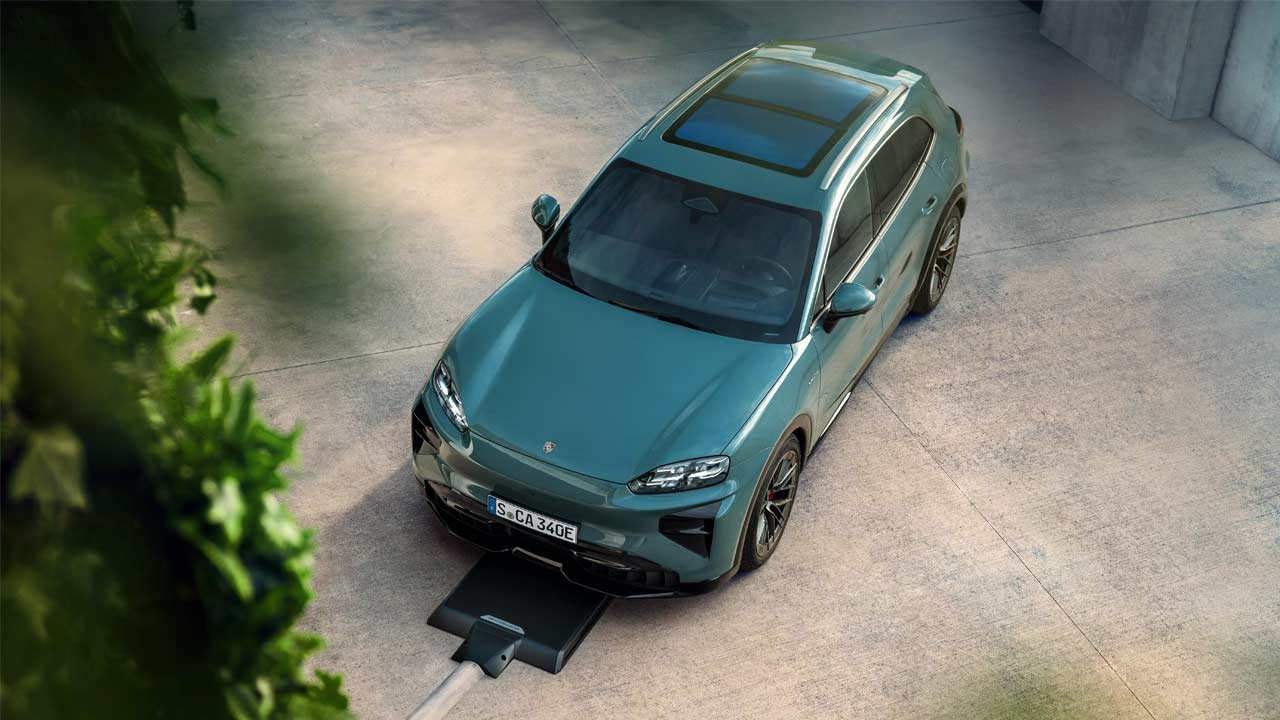
The Cayenne Turbo Electric, on the other side, is a beast. In normal operation, you get a combined power output of up to 630 kW (857 metric hp). With Launch Control, the numbers jump to 850 kW (1,156 metric hp) and 1,500 Nm (1,106 lb-ft). Still not impressed? Okay then, there’s a Push-to-Pass function that unlocks an additional 130 kW (177 metric hp) for 10 seconds. How much power is too much power? Well, the Cayenne Turbo Electric says, I don’t know! 🤷 With Launch Control active, the 0-100 km/h (62 mph) sprint time is 2.5 seconds, which is pretty insane, to be honest. The top speed is 260 km/h (162 mph). The Turbo’s rear electric motor is claimed to feature direct oil cooling to ensure high continuous output and efficiency.
The battery in both models is a 113 kWh pack. In the base model, the WLTP combined range is estimated to be up to 642 km (399 mi), while the Turbo is estimated to offer up to 623 km (387 mi). Read more about the battery pack in detail here.

Recommended for you




Leave a Reply
Note: Comments that are unrelated to the post above get automatically filtered into the trash bin.
Leave a Reply
Note: Comments that are unrelated to the post above get automatically filtered into the trash bin.