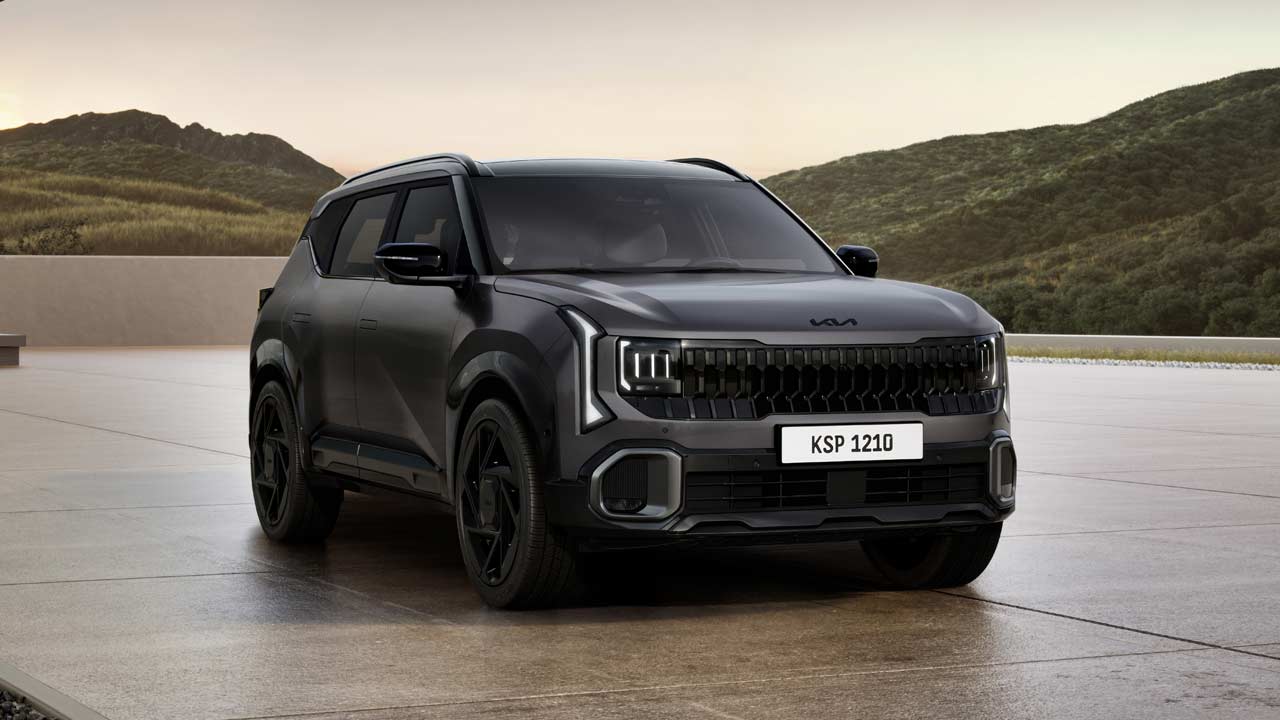
As you may know, with a “badass” marketing strategy, the Seltos helped lay a strong foundation for the Kia brand in India. In just 6 years, Kia managed to acquire a market share of 6% in India, which is a big number for a relatively new entrant. Just to compare, Toyota Kirloskar Motor, which has been operating in the country for over two and a half decades, holds a market share of only 6.9%. Kia hopes to continue this success story with the second-gen Seltos. What’s interesting is that the second-gen model was unveiled simultaneously in Korea, India, Europe and America.
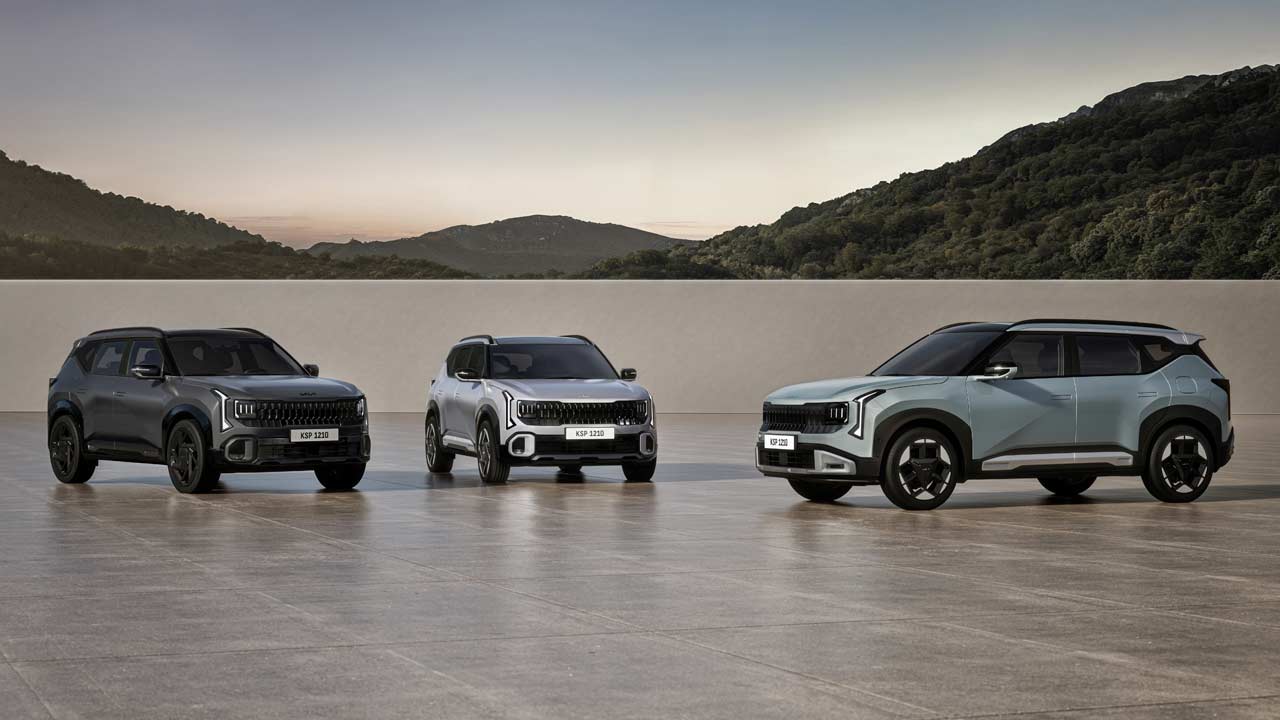
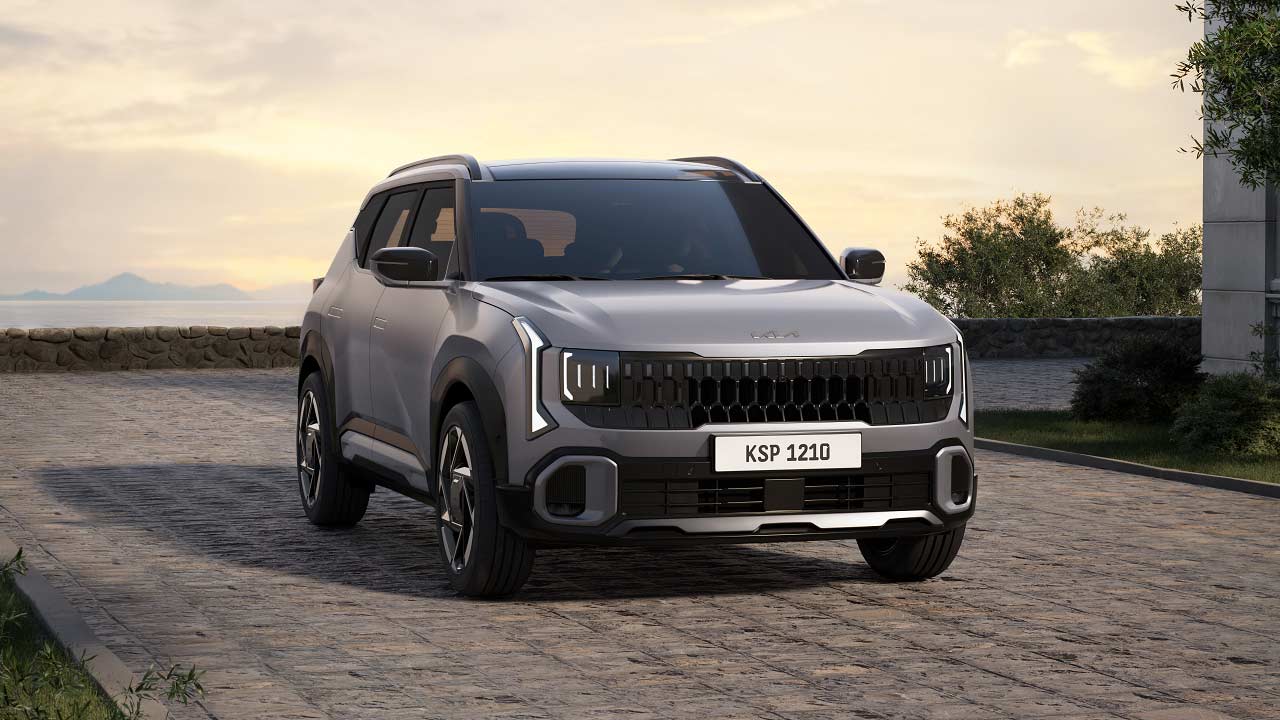
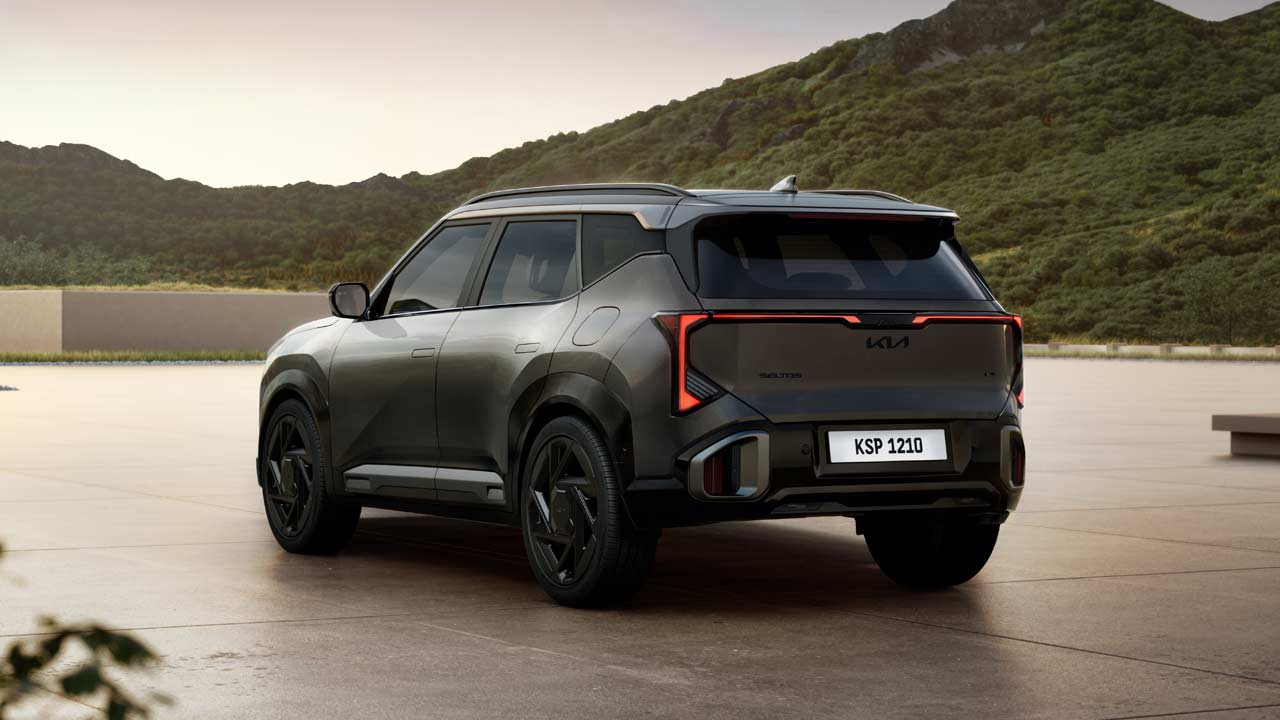
The photos here feature both India- and international-spec Seltos, more specifically, the regular, GT-Line and X-Line variants. I know, it’s a cliché now to say “design is subjective”, but Hyundai-Kia designers continue to go bonkers each year with their designs, and the new Seltos is just another example. It seems like the designers were trying to achieve a more aggressive/intimidating front fascia with that enlarged black “Digital Tiger Face”, and I’m not sure if they’ve succeeded with that. I guess time will tell. Where are the headlights, you ask? Well, it is those small vertical things at the outer edge of the grille; Kia calls them “Intense Ice Cube LED Projection Headlamps”. It’s crazy how LED technology has evolved. The Star Map LED signatures at the front have been mimicked at the rear with connecting bars.
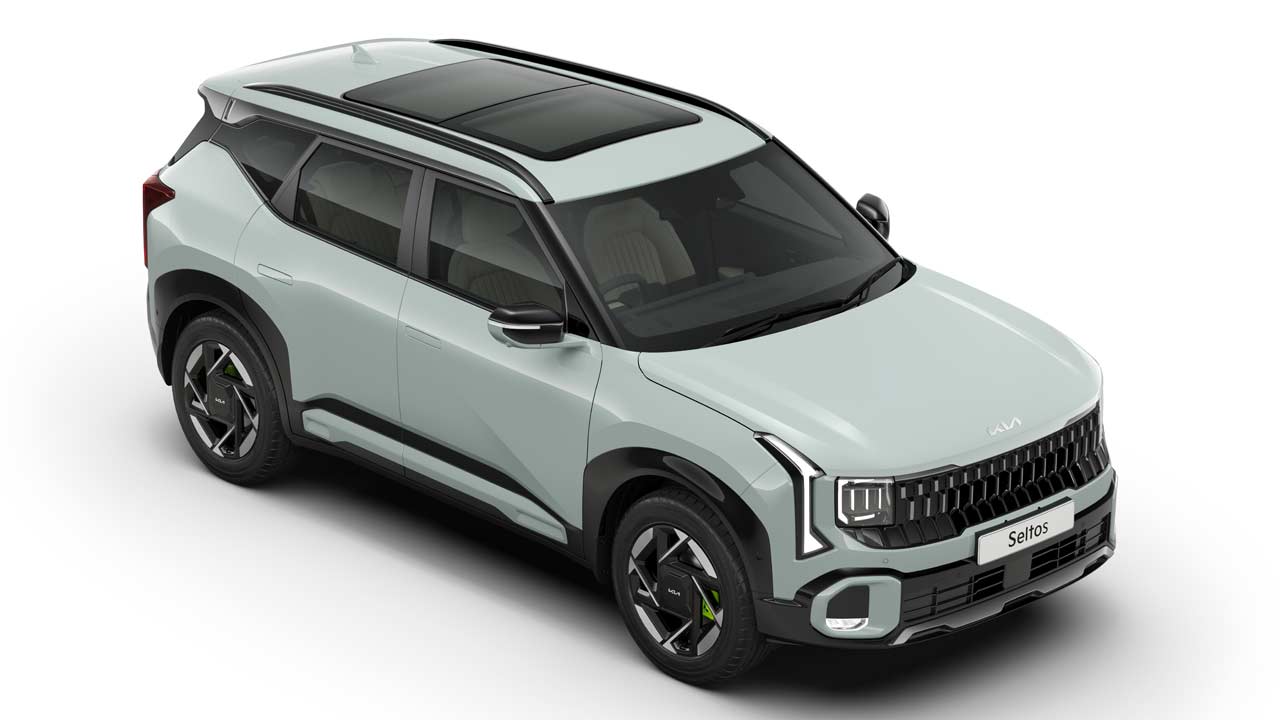
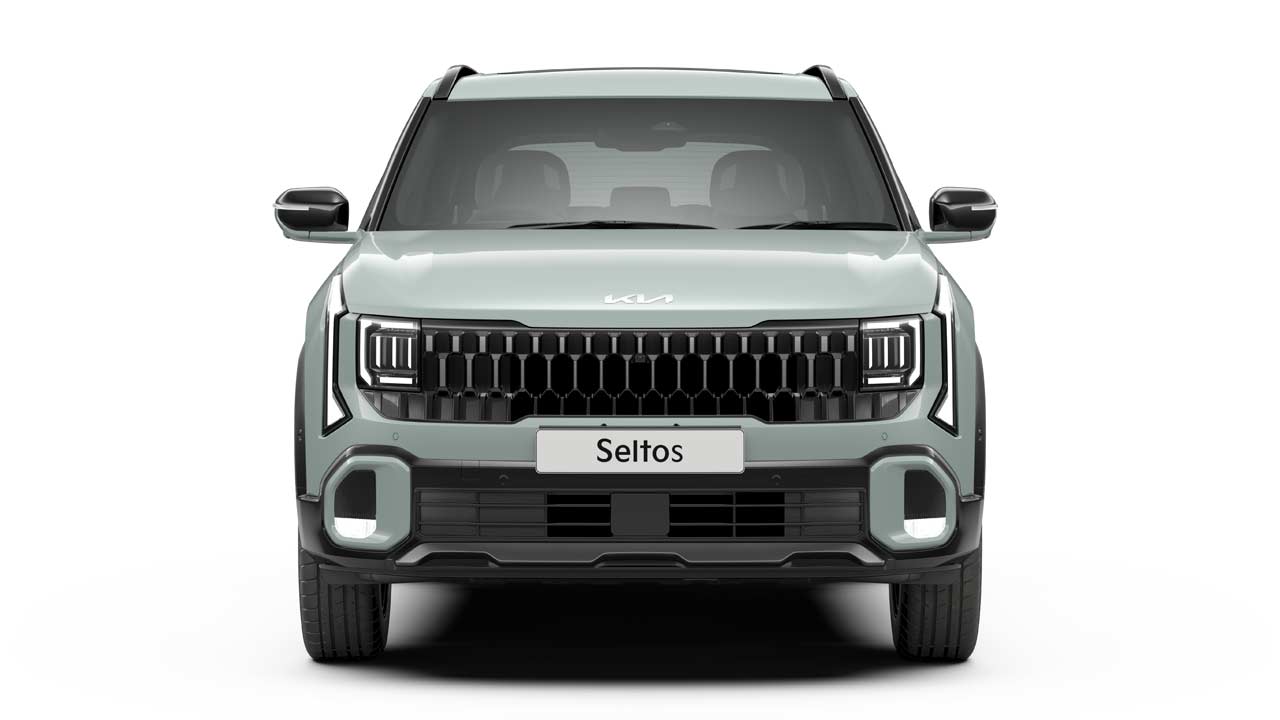
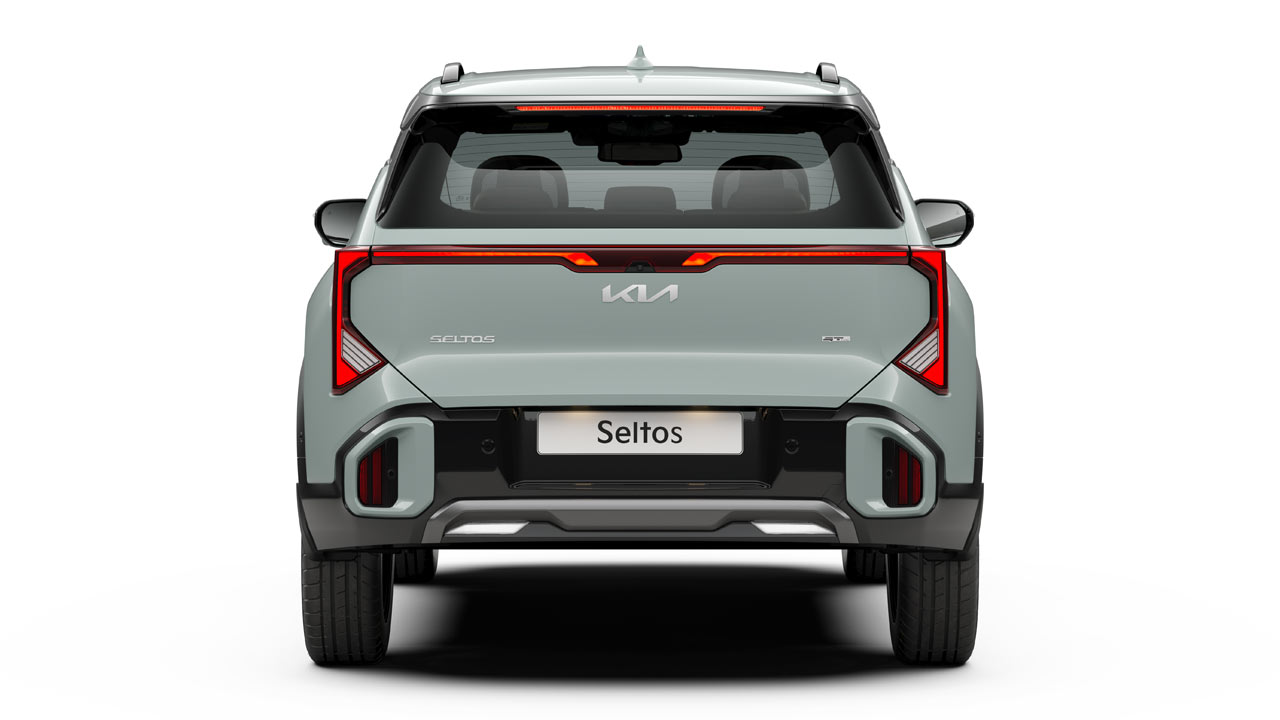
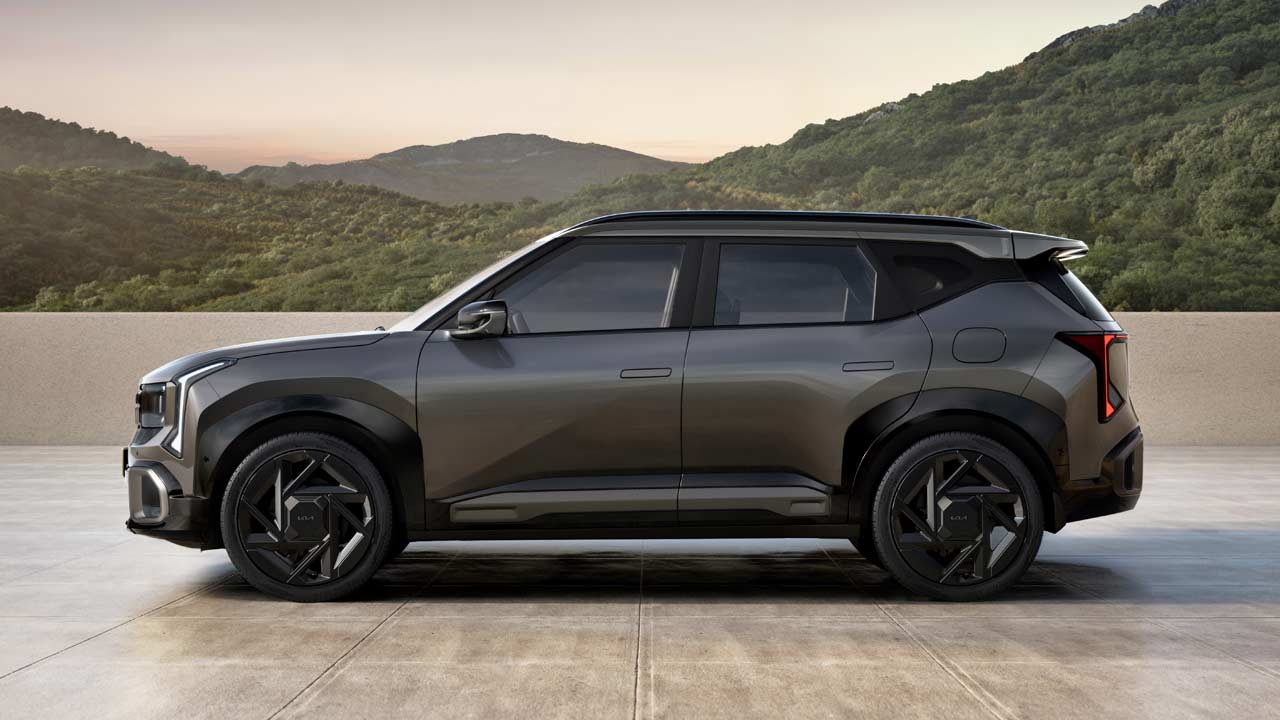
The India-spec model measures 4,460 mm long, 1,830 mm wide and 1,635 mm tall, with a wheelbase of 2,690 mm. Compared with the previous-gen Seltos, the new model has slightly grown in dimensions. Depending on the variant, the wheel sizes range between 16- and 18-inches (up to 19-inches for markets outside). The X-Line (a styling pack available on GTX models) rides on 18-inch black wheels. Main variants for the Indian market include HTE, HTK, HTX, and GTX.
Let’s talk about the business end of the story then, shall we? For the Indian market, the powertrain options appear to remain unchanged. For starters, there’s a 1.5L 4-cylinder naturally aspirated petrol engine with 6-MT or CVT (branded as IVT), offering 84.4 kW (115 metric hp) and 144 Nm (106 lb-ft). For those who want more, there’s a 1.5L 4-cylinder turbo petrol engine with 6-iMT or 7-DCT, offering 117.5 kW (160 metric hp) and 253 Nm (187 lb-ft). For diesel lovers, there’s, of course, the 1.5L 4-cylinder turbocharged unit with 6-MT or 6-AT, offering 85 kW (115.5 metric hp) and 250 Nm (184 lb-ft).
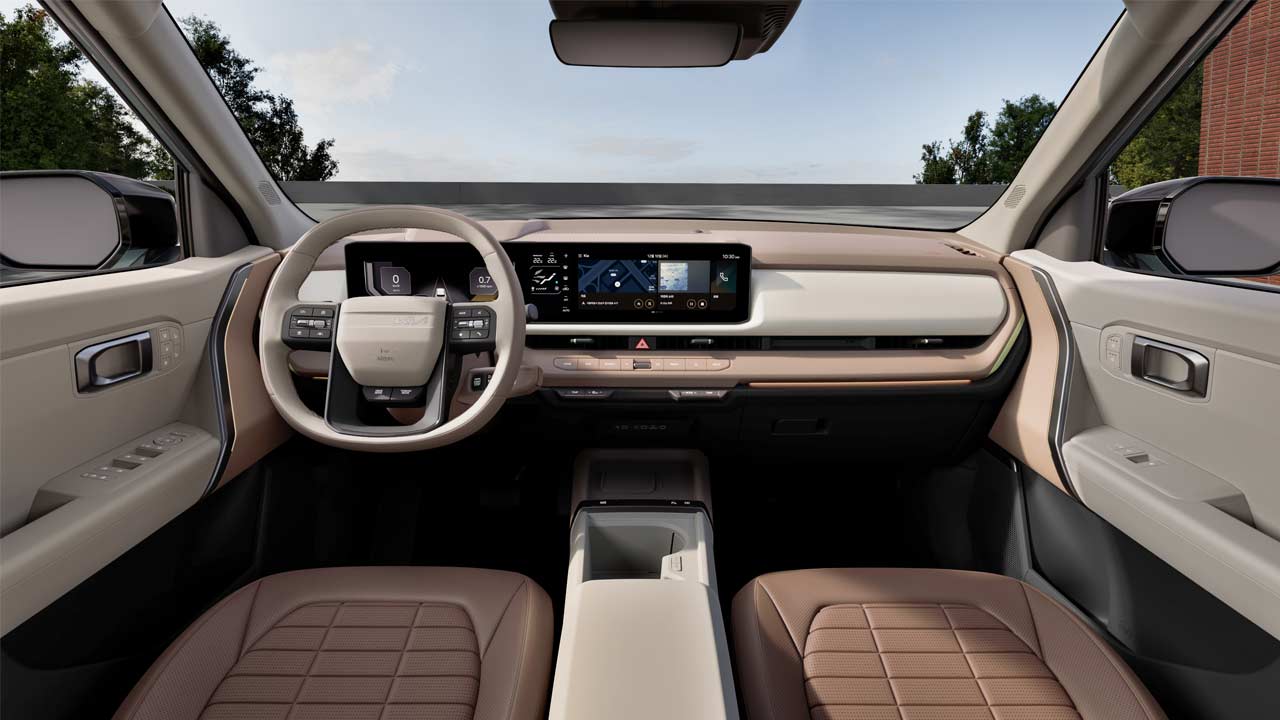
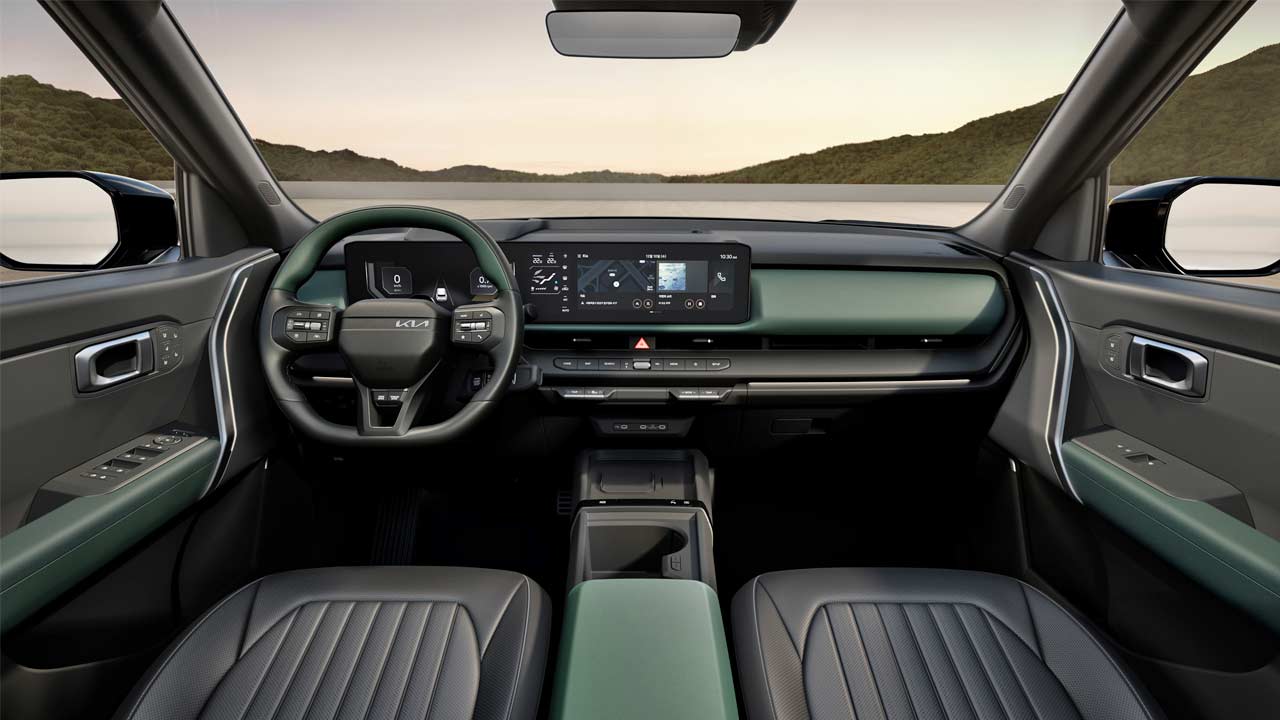
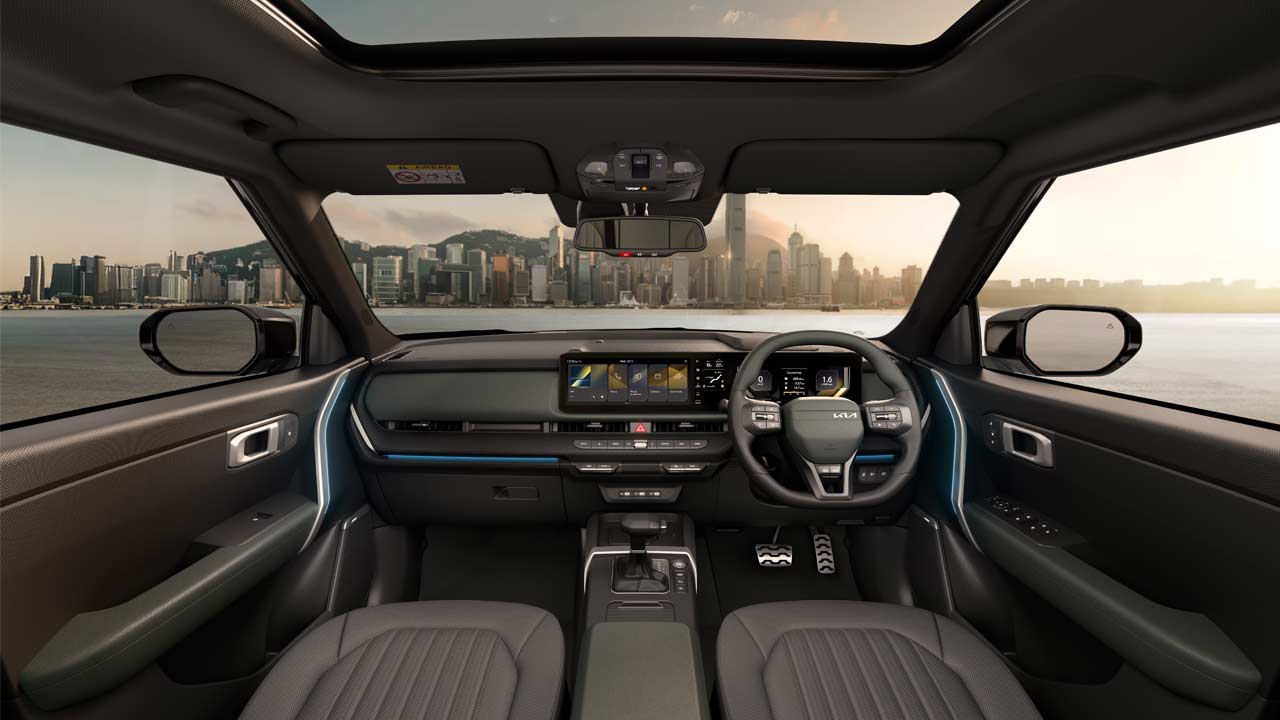
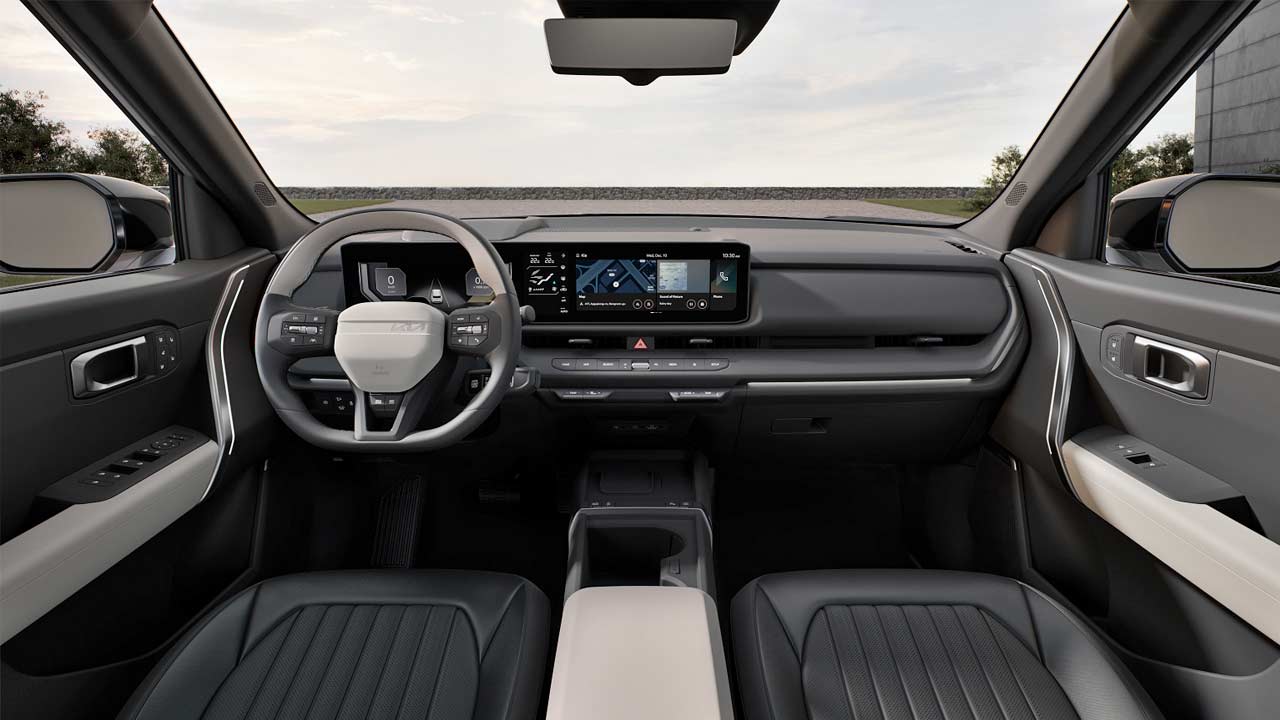
For international markets, options include a 132 kW (180 metric hp) 1.6L turbo petrol with 7-DCT or 6-MT, a 142 kW (193 metric hp) 1.6L turbo petrol with 8-AT, and a 110 kW (149 metric hp) 2.0L N/A petrol. AWD options are also available, which come with the Terrain Mode function (Snow, Mud and Sand).
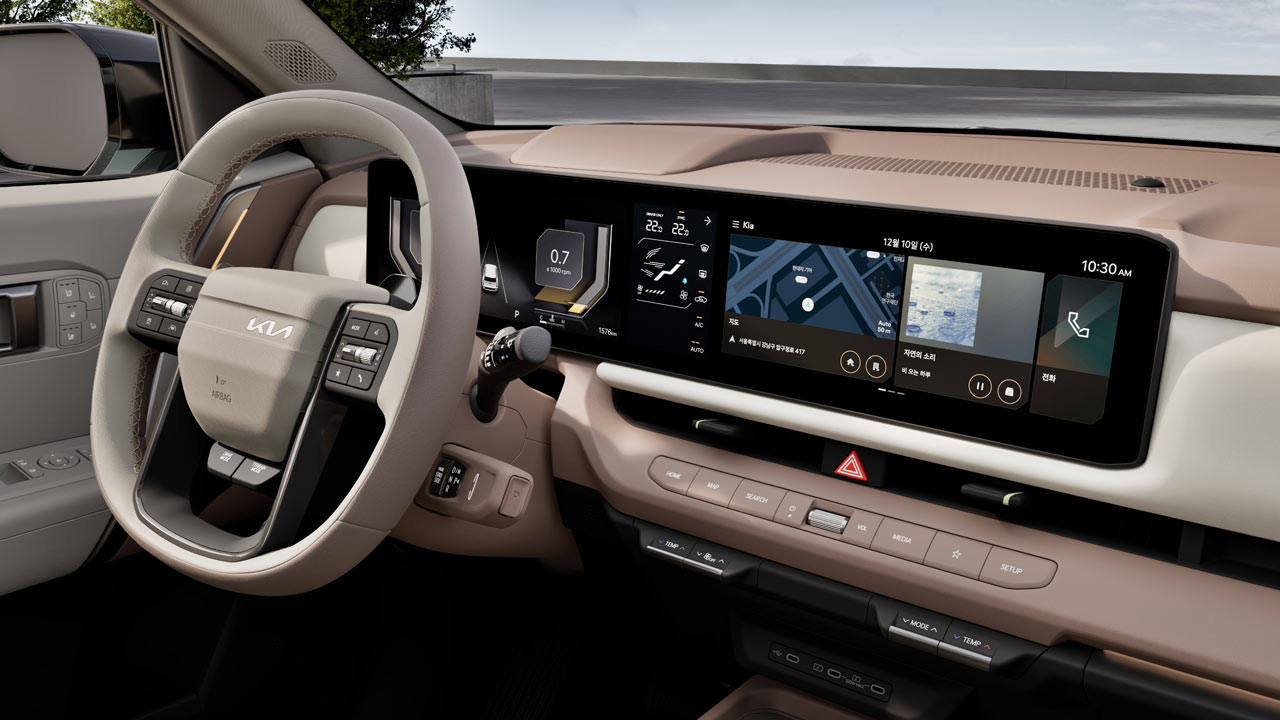
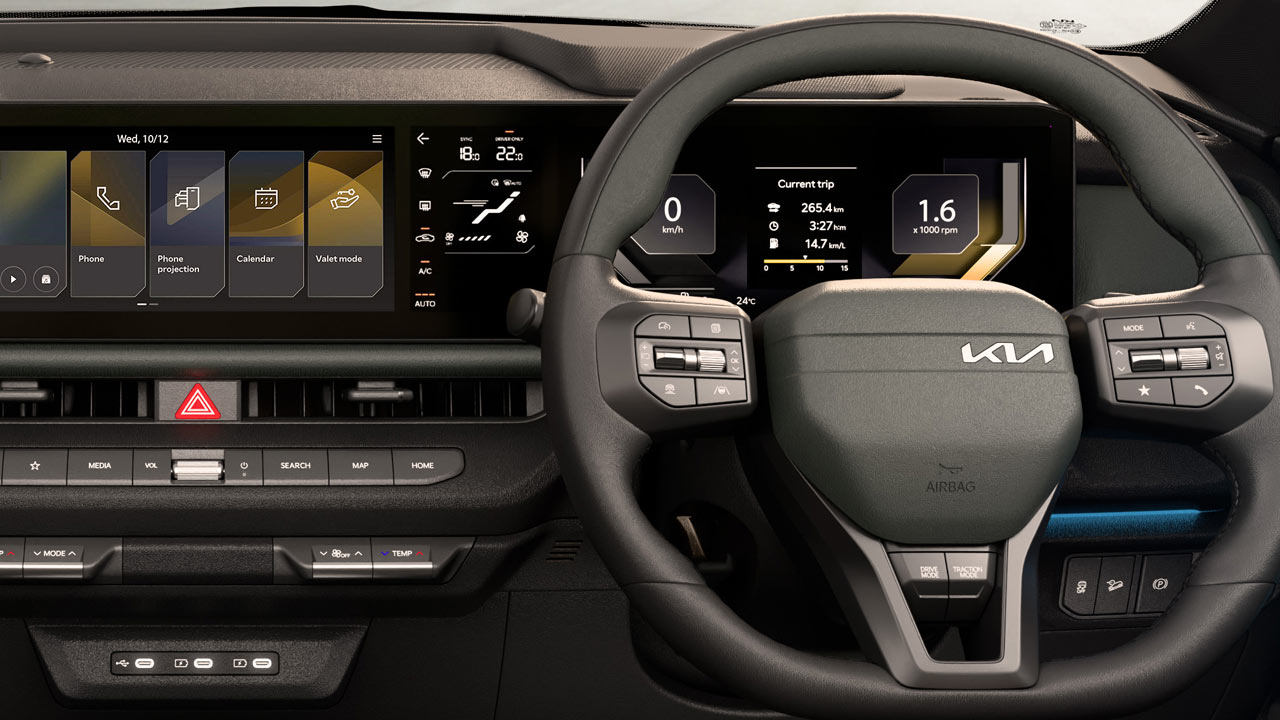
Key highlights inside include dual 12.3-inch screens, 64-color ambient lighting, a 10-way power driver seat with memory, dual-zone climate control, an 8-speaker Bose audio system, a dual-pane panoramic sunroof, and a ChatGPT-powered Kia AI assistant (international markets). ADAS suite includes 21 features, including Front Collision Warning, Front Collision-Avoidance Assist, Lane Keeping Assist, Blind Spot Collision Avoidance Assist, Rear Cross Traffic Collision Avoidance Assist, Safe Exit Warning, Parking Collision Avoidance Assist – Reverse, and Smart Cruise Control with Stop & Go.

Recommended for you






Leave a Reply
Note: Comments that are unrelated to the post above get automatically filtered into the trash bin.
Leave a Reply
Note: Comments that are unrelated to the post above get automatically filtered into the trash bin.