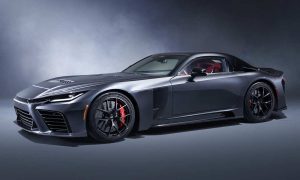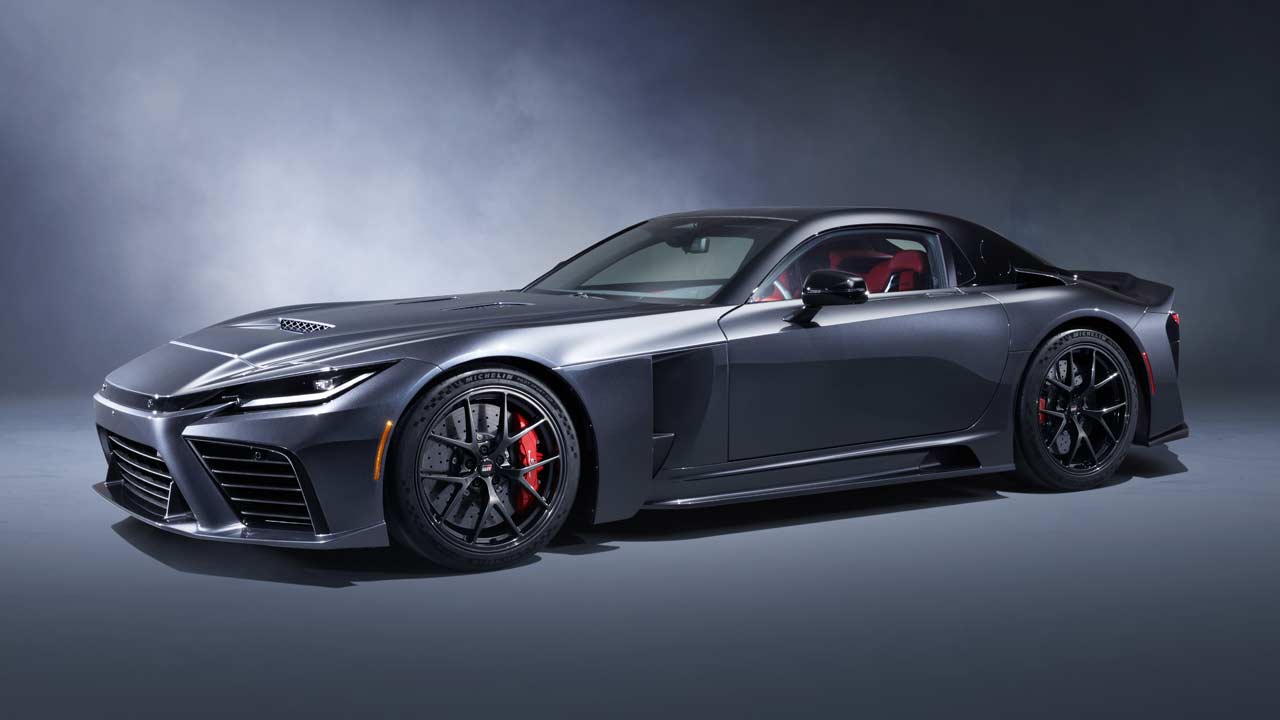
The J29/A90 Supra may not have achieved the level of success Toyota hoped for, but that wouldn’t stop the Japanese giant from building an awesome sportscar or hypercar. You may argue that the GR GT is a homologation special, but that doesn’t negate the fact that enthusiasts will be able to buy the production version when it arrives, not too far from now (sometime in 2027).
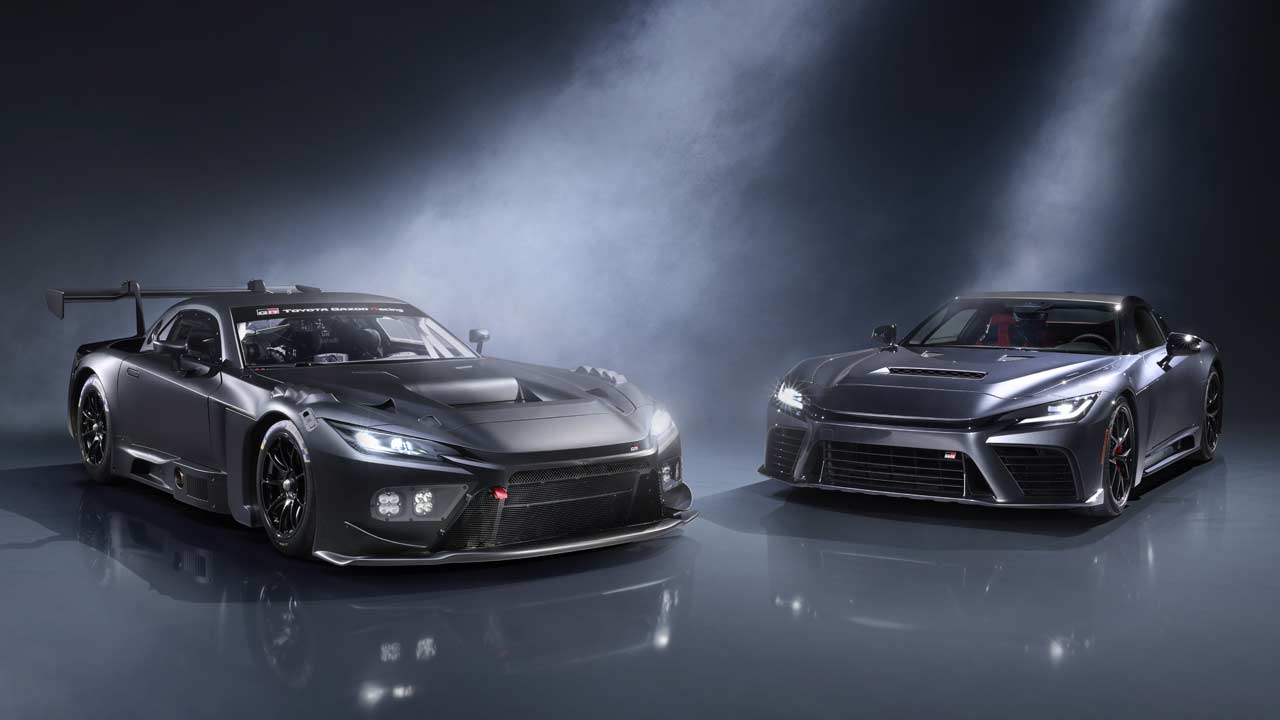
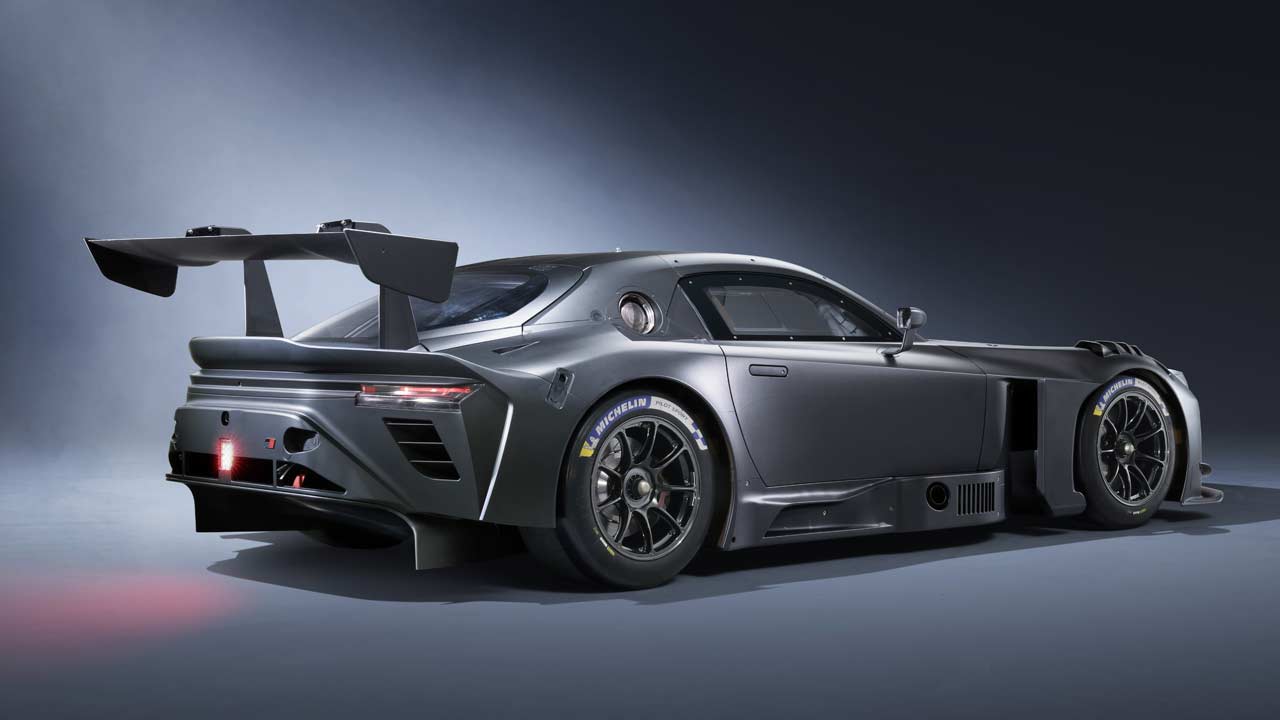
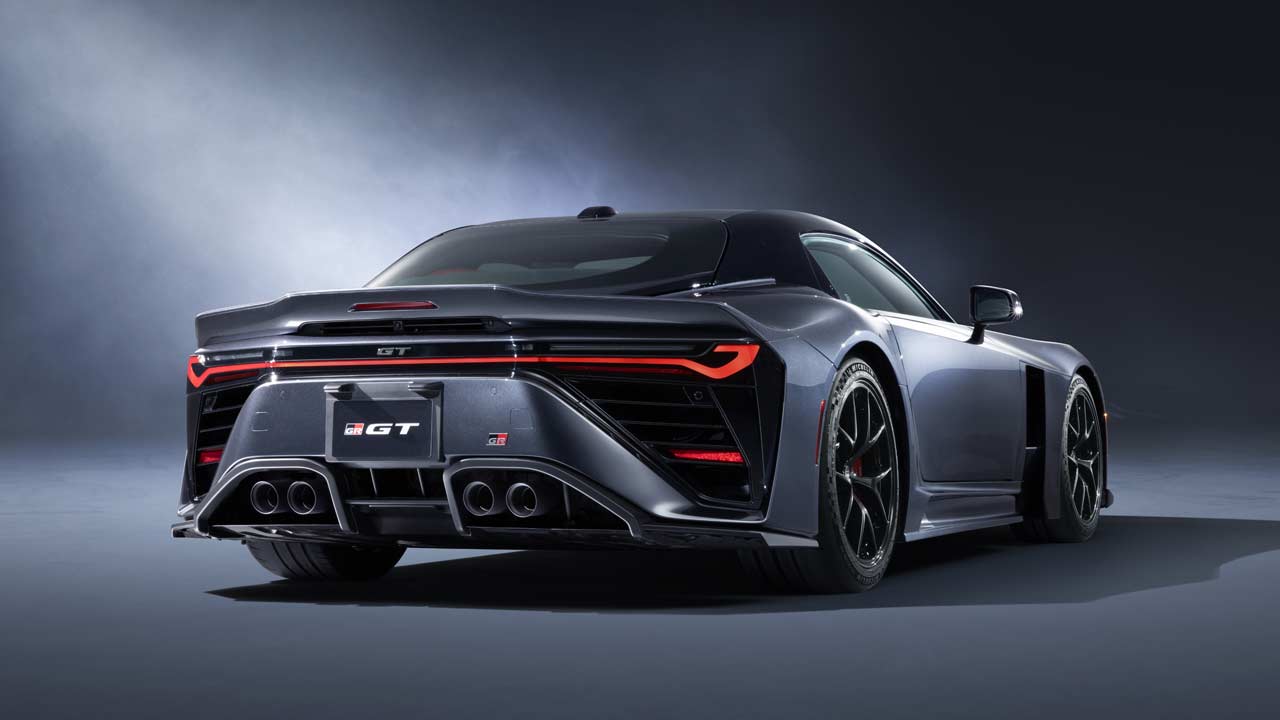
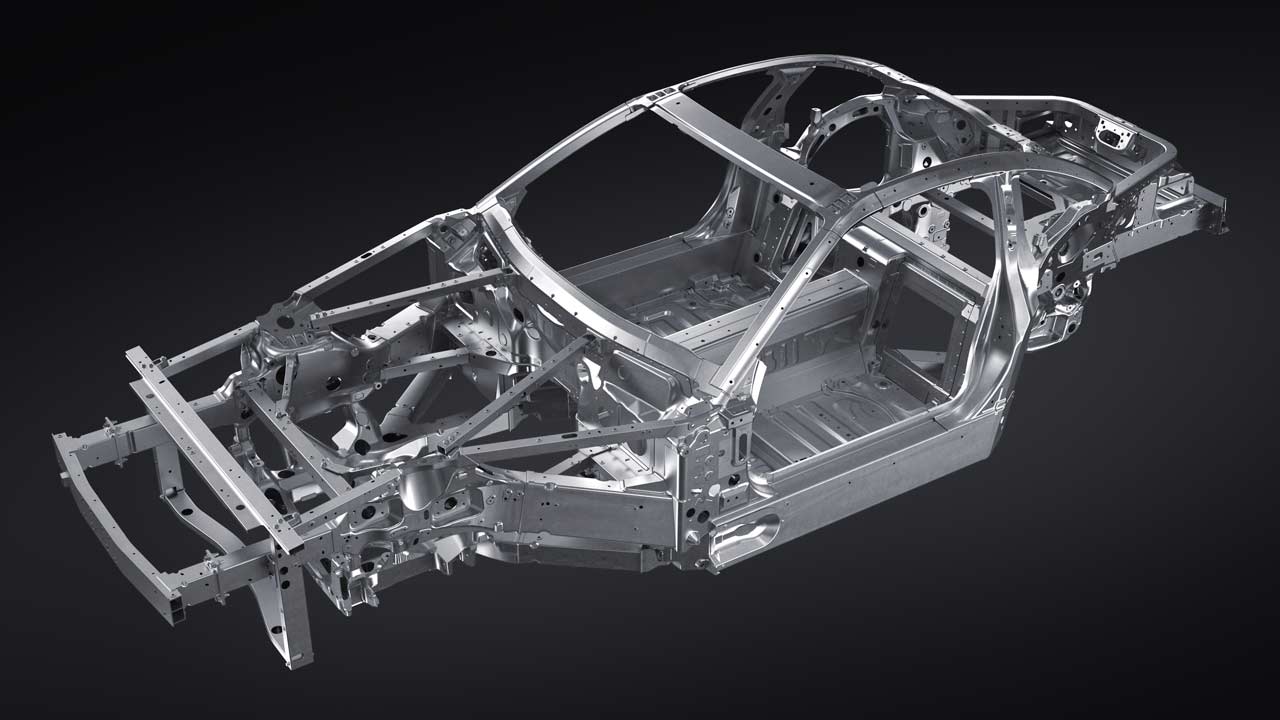
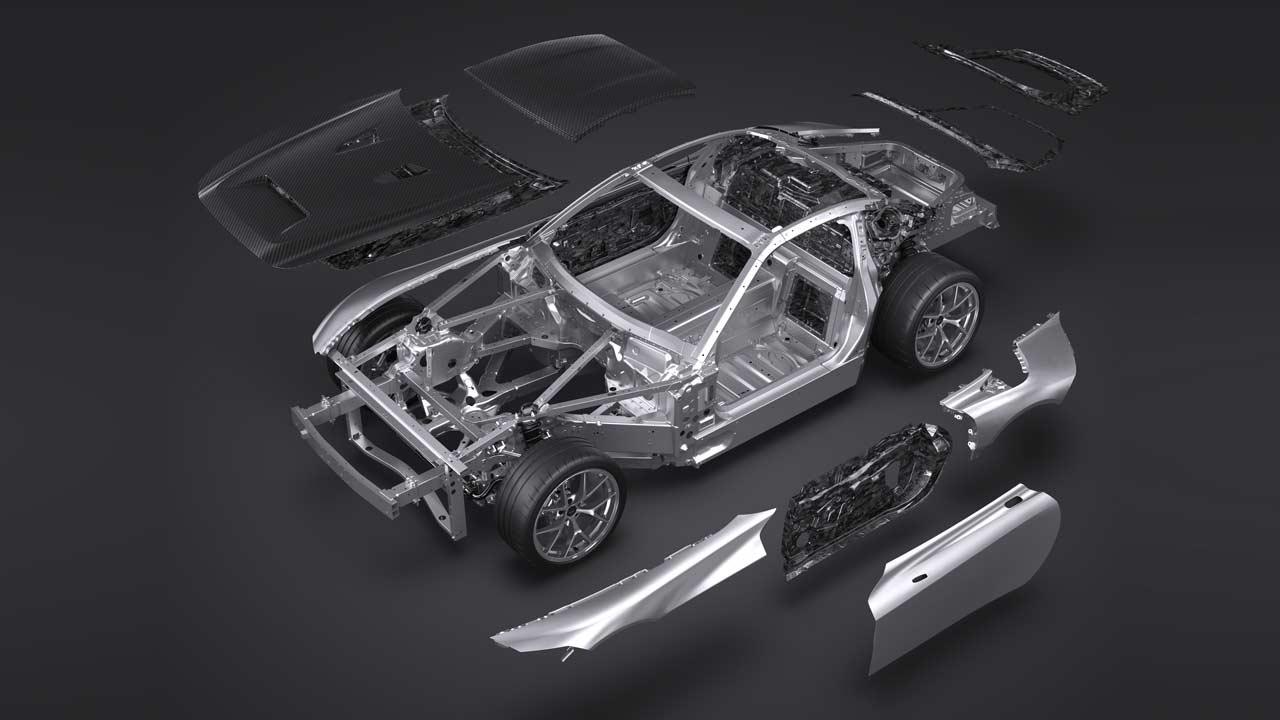
The GR GT (prototype) looks just as menacing as its GR GT3 (FIA GT3-spec racing prototype) sibling. It just lacks a gigantic wing at the back, but the production version might offer one as an option. The GR GT is a brand-new development for Toyota. It is built around Toyota’s first all-aluminum body frame, with the body panels being a mix of aluminum and carbon fiber reinforced plastic (CFRP), to achieve a balance of strength and lightweight. The torque tube is also made of CFRP.
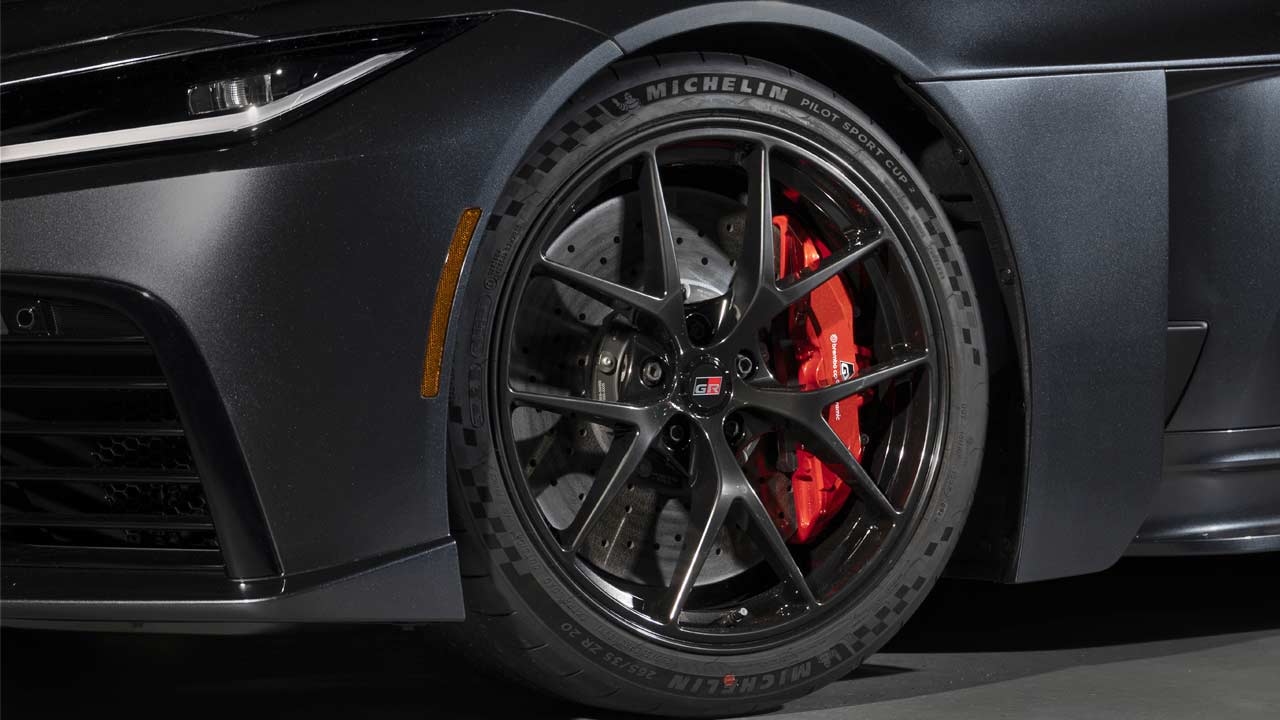
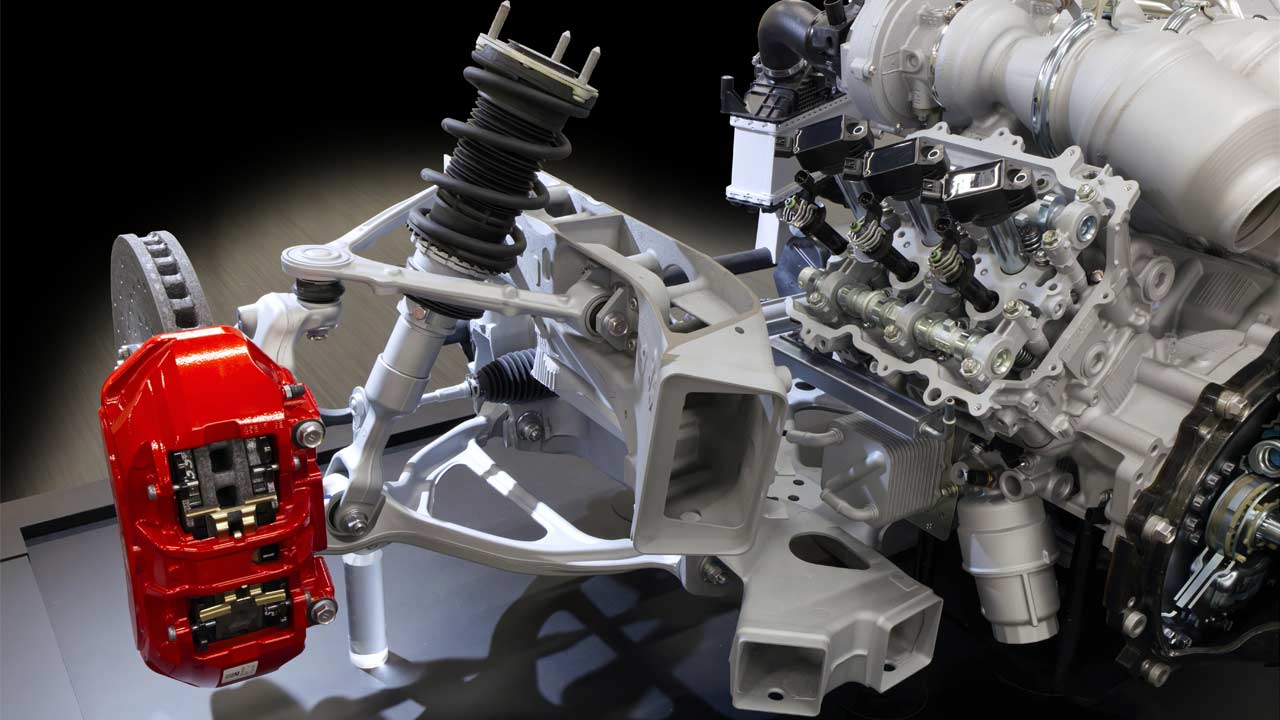
Suspension setup is a double-wishbone system with forged aluminum arms at both the front and rear. The 20-inch wheels are wrapped with Michelin Pilot Sport Cup 2 tires (front: 265/35 ZR20; rear: 325/30 ZR20)—developed exclusively for the GR GT. Braking duties are handled by carbon ceramic rotors at all four corners.
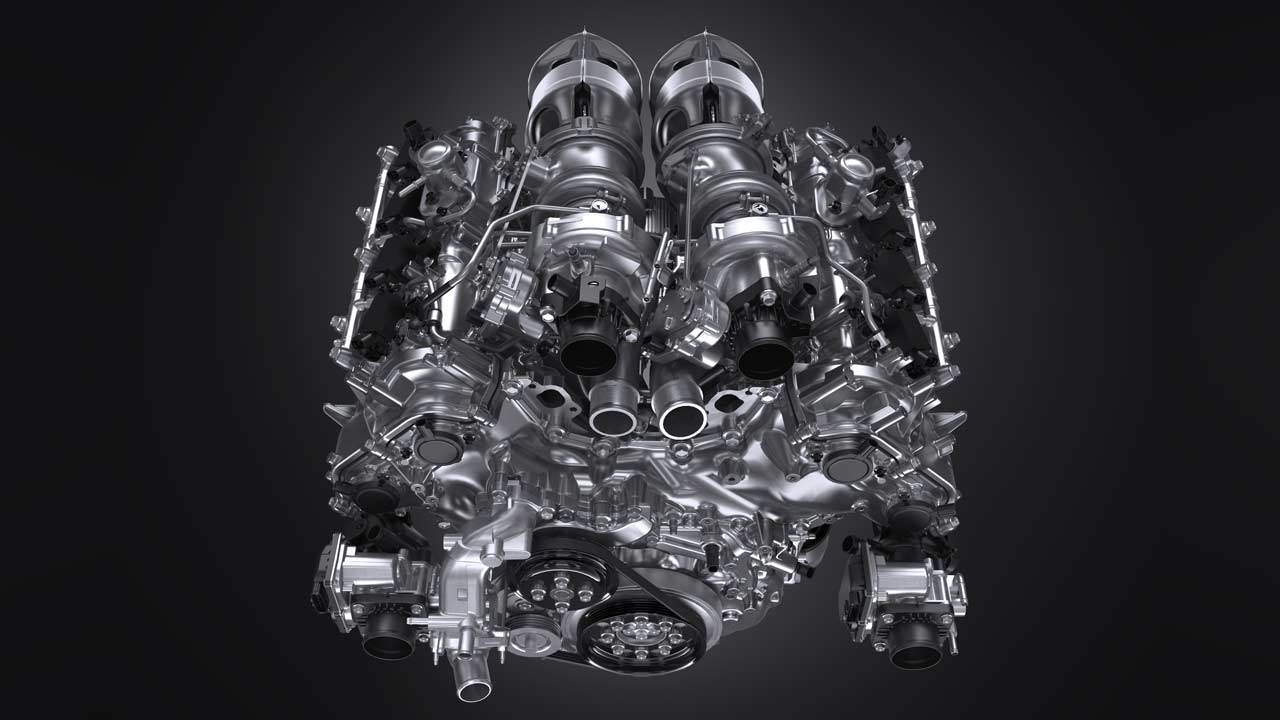
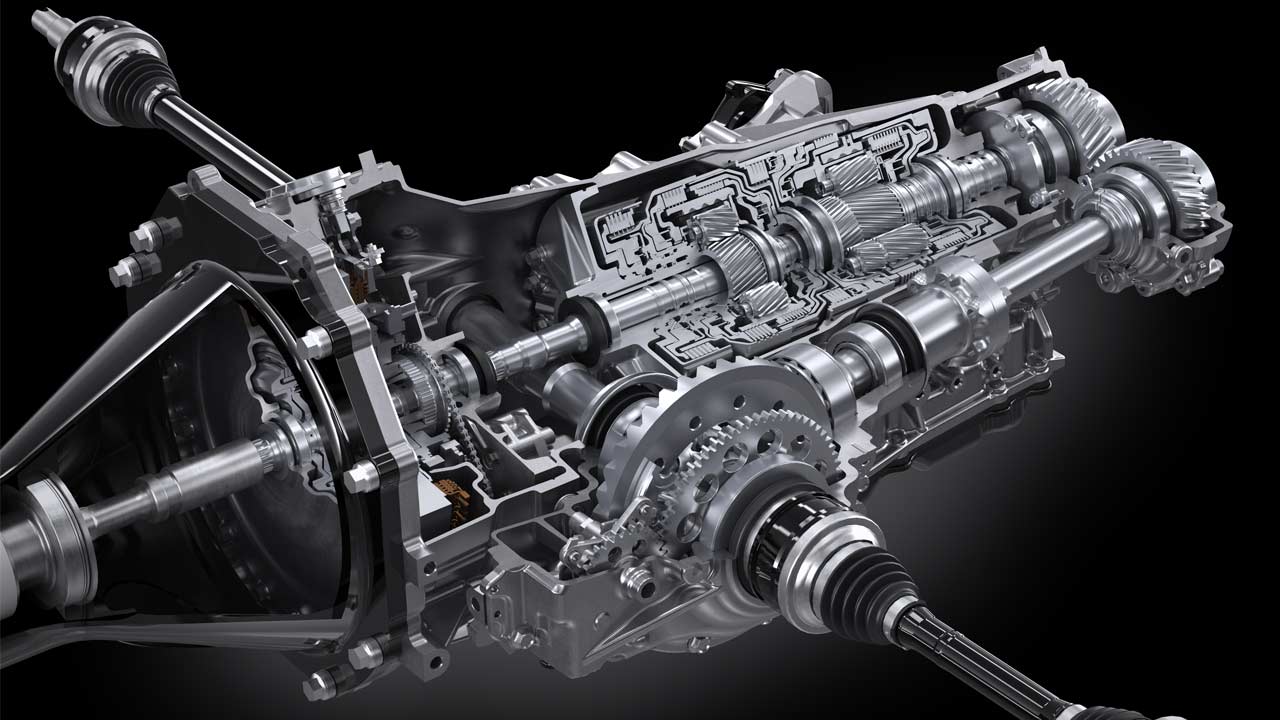
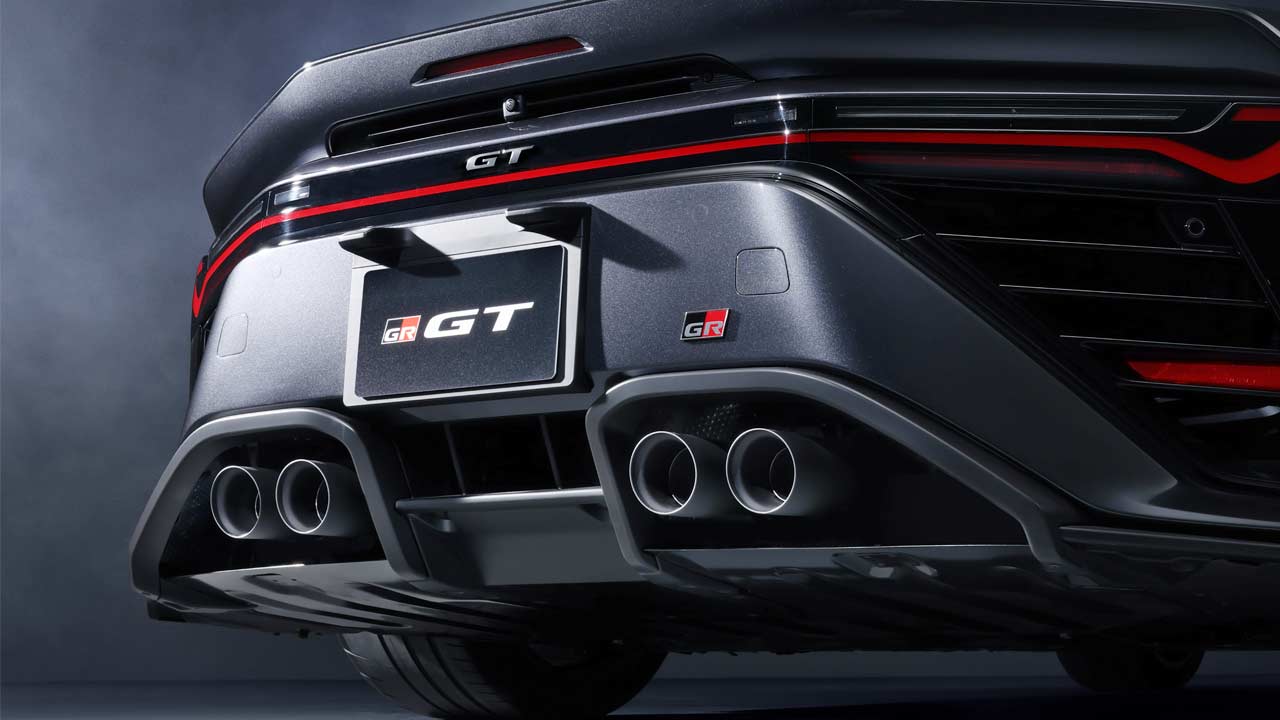
What powers the GR GT? The GR GT is a hybrid sports car, which shouldn’t be surprising, given that Toyota is a hybrid specialist and it is 2026 (almost). The powertrain is a combination of a newly developed 4.0L (3,998 cc) V8 biturbo engine and an electric motor integrated into a newly developed 8-speed automatic transmission. The transmission uses a wet-start clutch instead of a torque converter.
With a bore and stroke of 87.5 x 83.1, the engine’s short stroke reduces overall engine height, while its hot V configuration positions one of its two turbos in each engine bank. The engine also features dry-sump lubrication and an oil pan that has been made thinner than usual.
Power and torque are estimated to be 478 kW (650 metric hp) and 850 Nm (627 lb-ft). The adoption of a rear transaxle and the optimal placement of the drive battery, fuel tank, and other heavy components have resulted in a 45:55 front-to-rear weight distribution, Toyota says. The car is estimated to weigh around 1,750 kg (3,858 lbs), which isn’t exactly lightweight, but not too heavy either. We’ll have to wait for the final figures once the production version comes out.

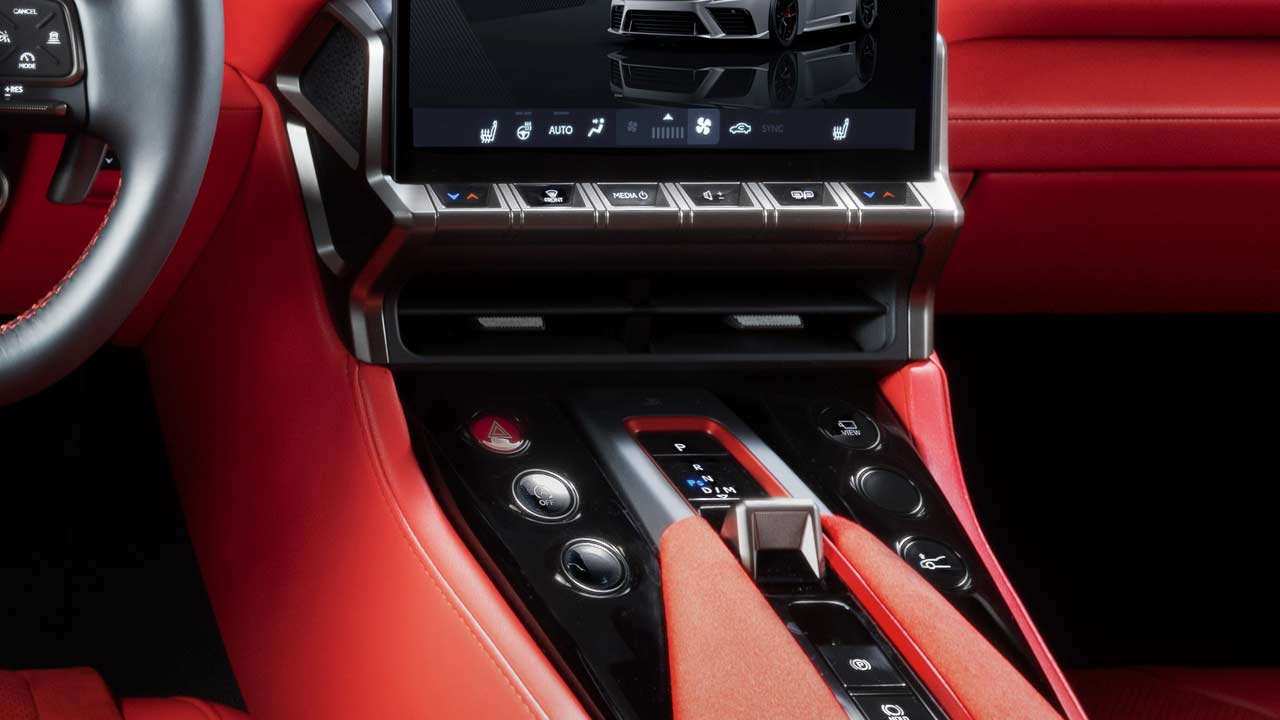

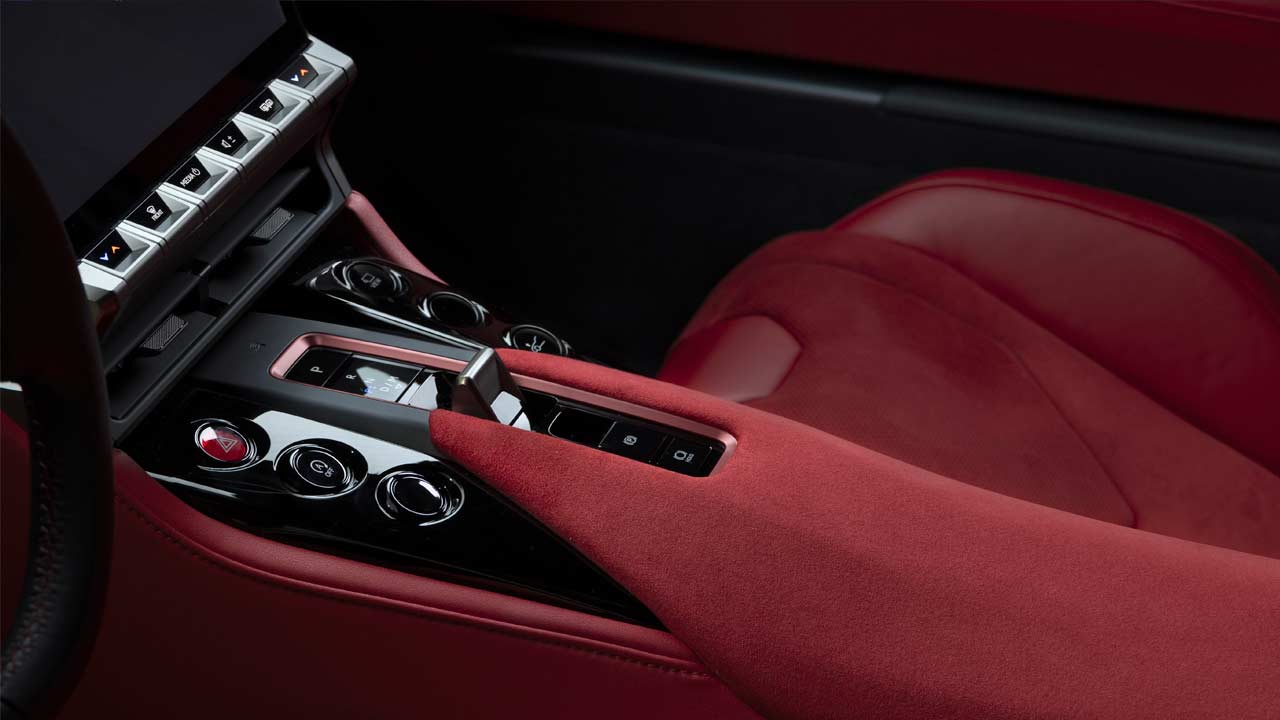
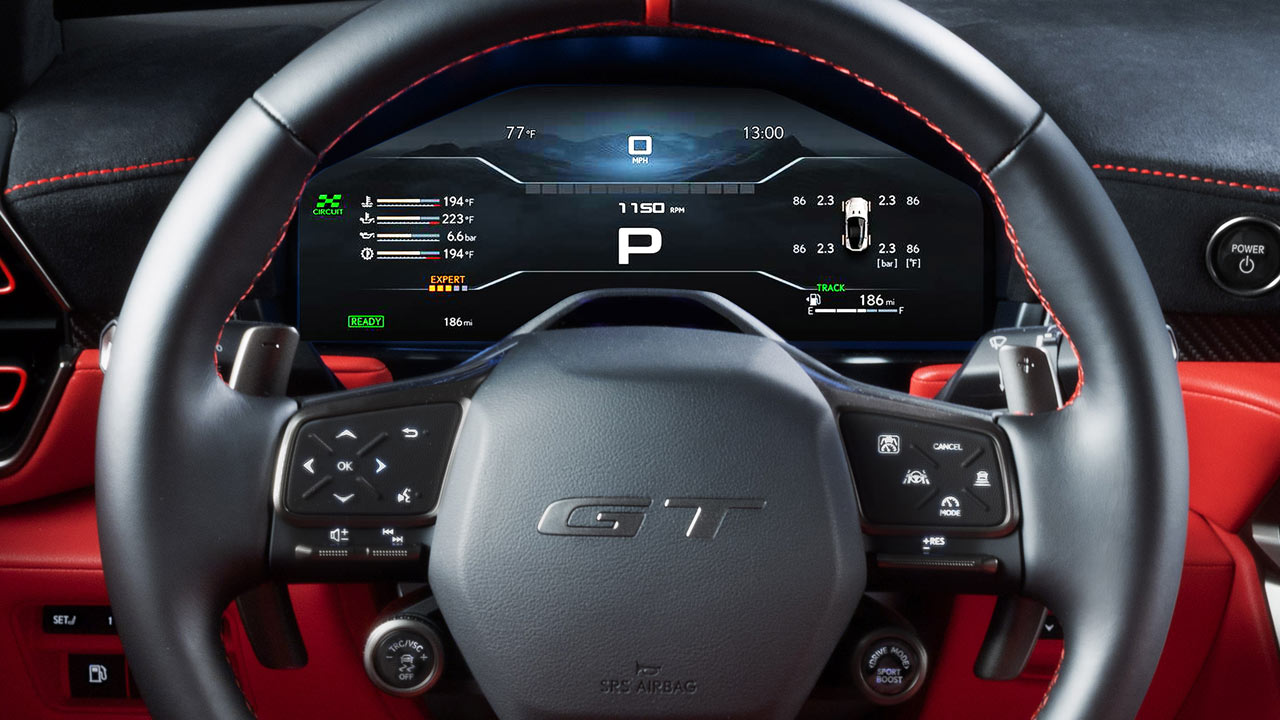
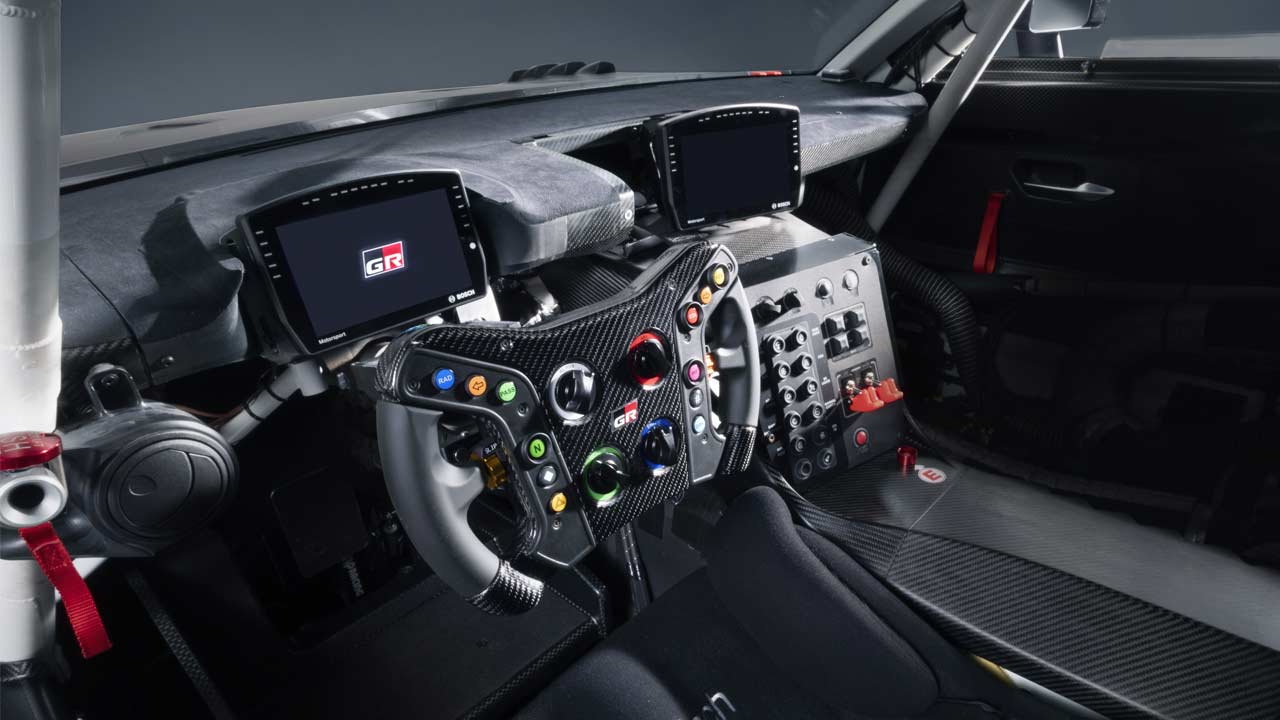
Inside, I think there’s a good balance of digital and tactile controls. I mean, there’s a good amount of physical buttons/controls. Notice what appears to be a front lift button on the centre console. Also, notice the dual-function knob/button combo on the steering wheel. The left one is for traction control, while the right one is for mode selection & boost.
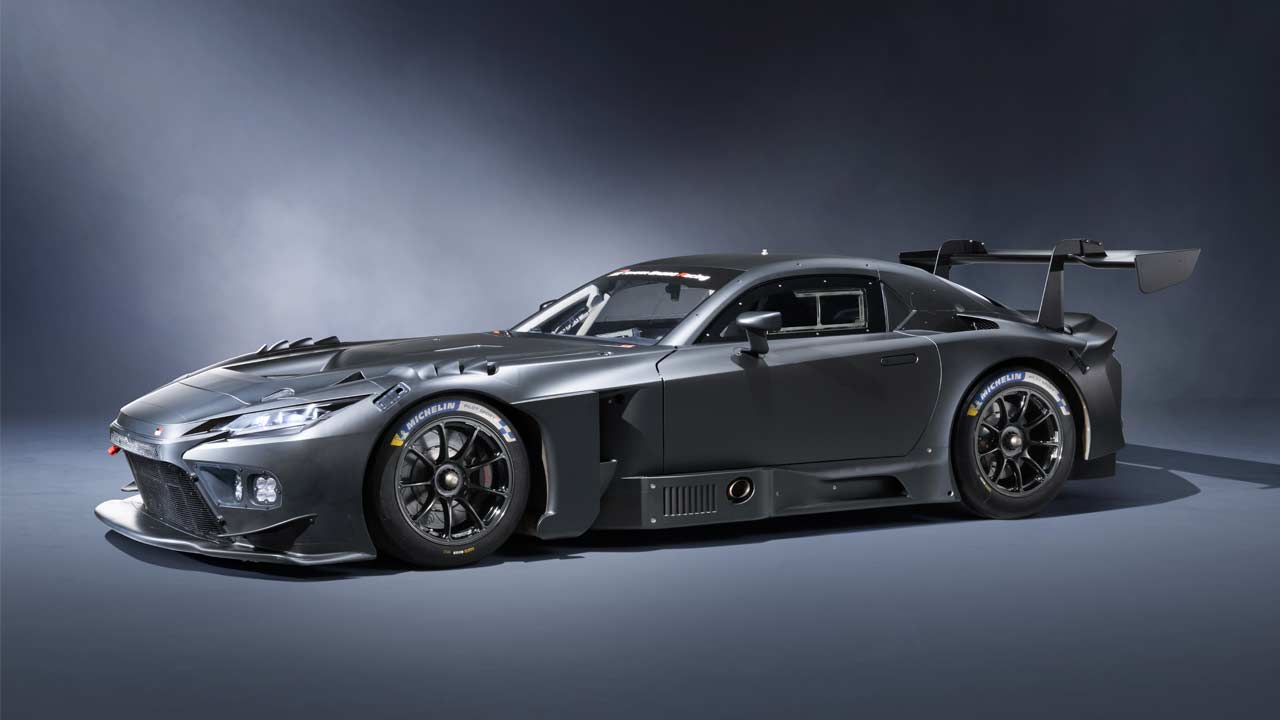
As for the GR GT3, well, it too will arrive sometime in 2027, packing a 4.0L V8 biturbo. No hybrid here. Meanwhile, testing will continue, and more details are to be released as they become available.

Recommended for you




Leave a Reply
Note: Comments that are unrelated to the post above get automatically filtered into the trash bin.
Leave a Reply
Note: Comments that are unrelated to the post above get automatically filtered into the trash bin.