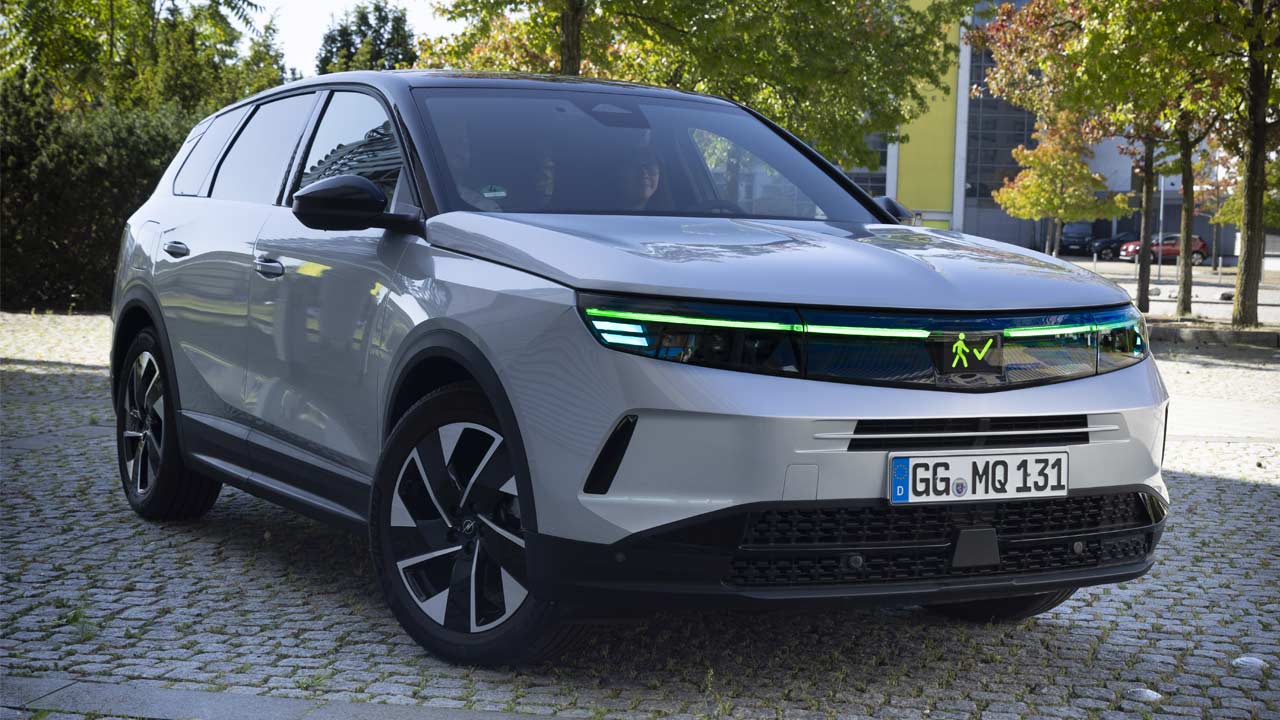
At this year’s International Symposium on Automotive Lighting (ISAL), which took place in Darmstadt (Germany), Opel in association with the Technical University of Darmstadt (TU Darmstadt), showcased a special Grandland with an AI-powered light communication system. I know, this is not an entirely new concept; there are already commercially available products in certain markets with communicative and customizable lighting. Audi’s Digital OLED taillights, for example, are communicative and customizable. Another example would be the HiPhi X in China. But the Opel’s system claims to do this in a much better, more user-friendly way, and it is specifically designed for autonomous vehicles (SAE Level 3 or higher).
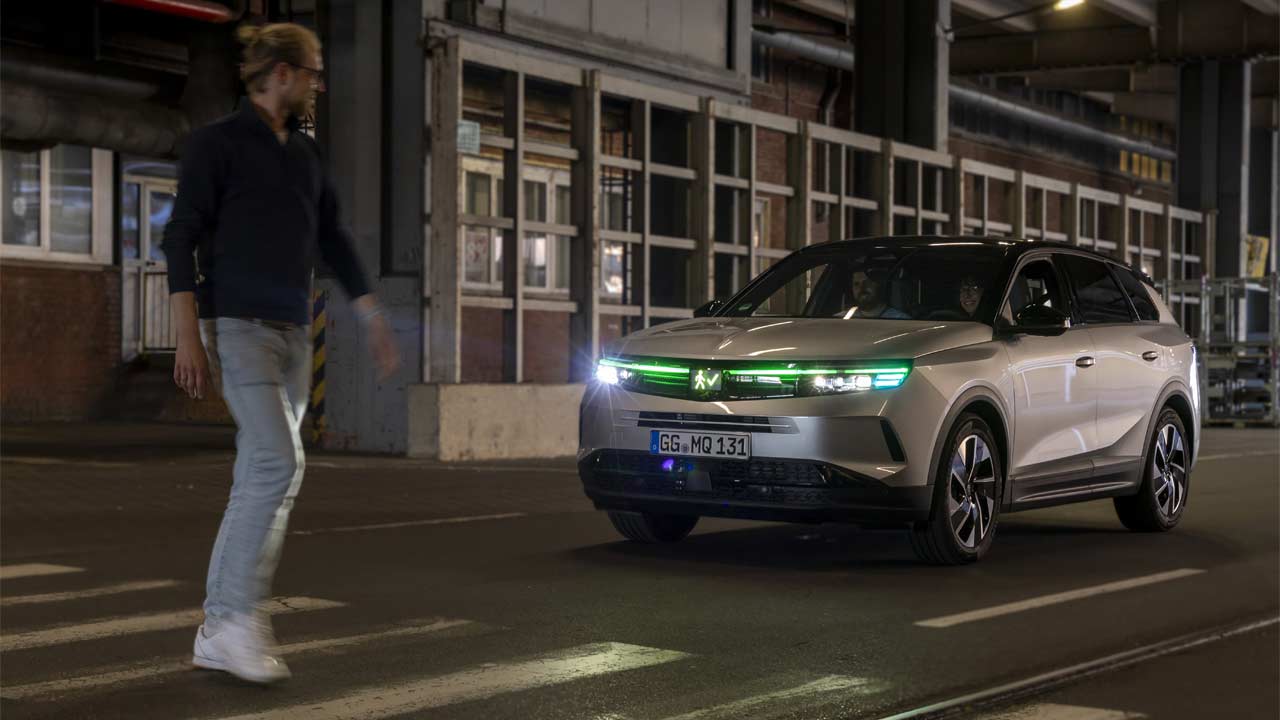
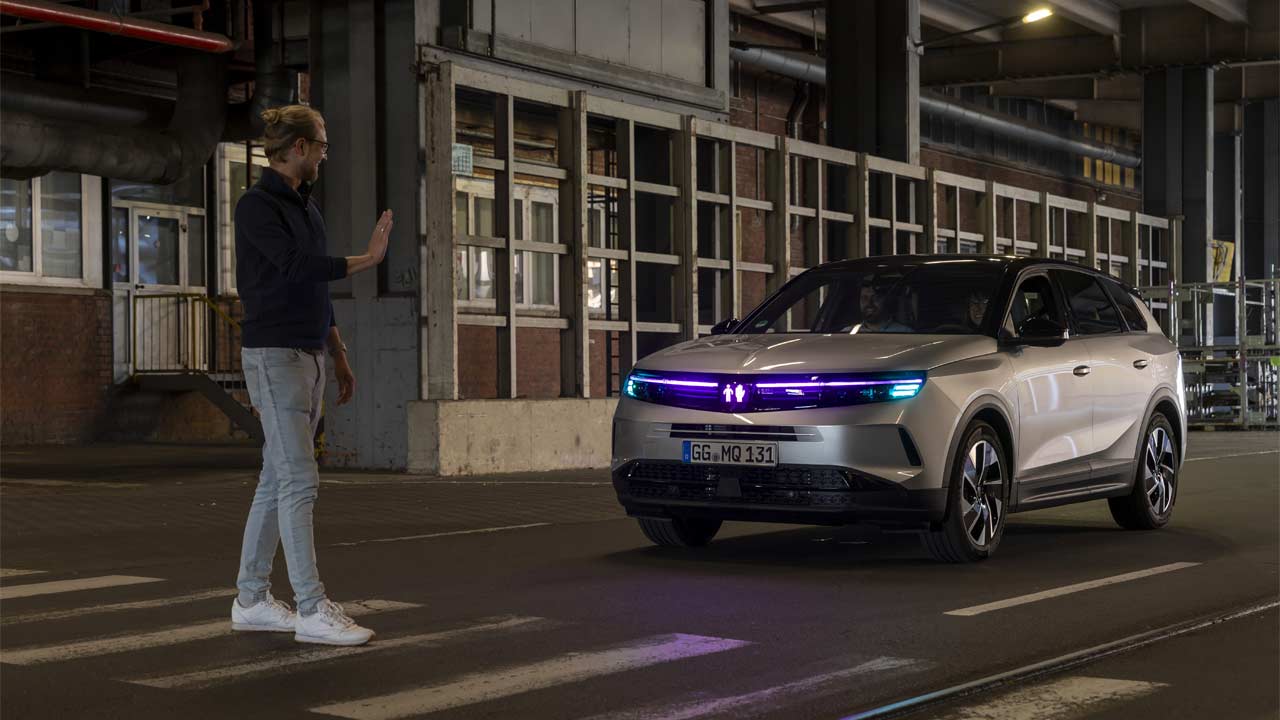
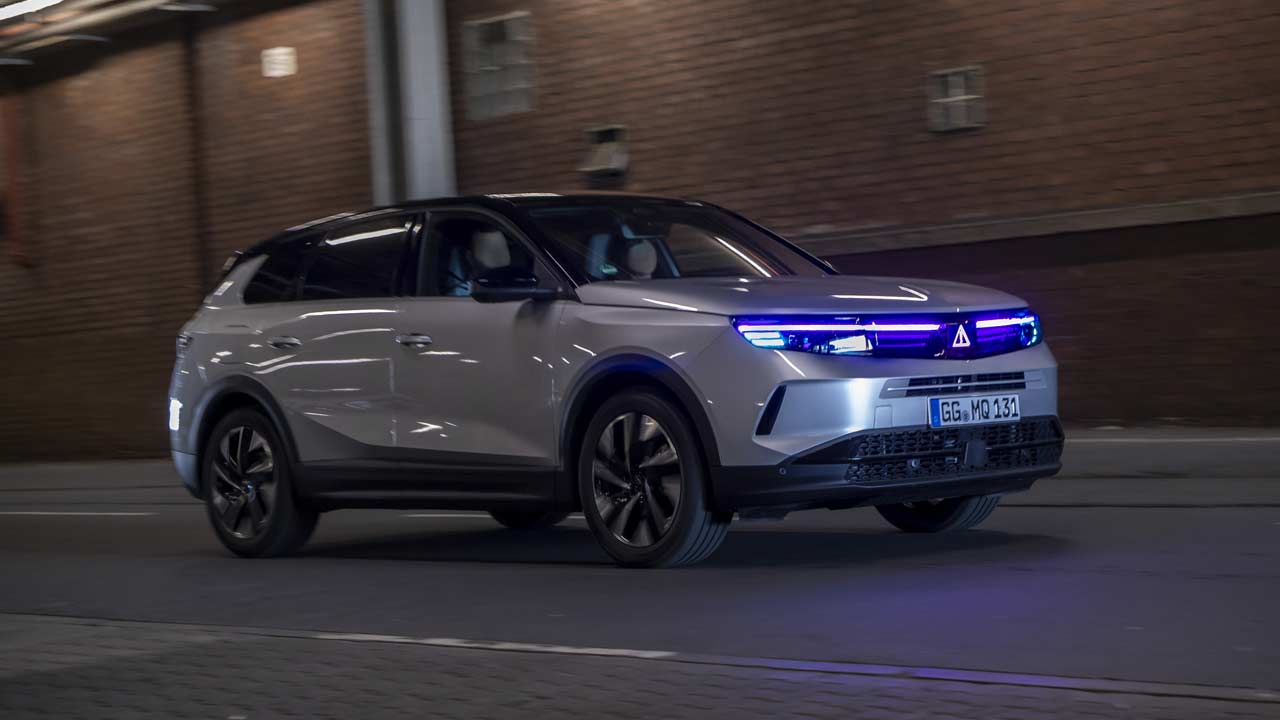
As you can see, the area where the Blitz logo sits is replaced with a display where the aforementioned communication takes place. With the help of a camera system for object and gesture detection, as well as AI, an icon is displayed according to the situation. When the camera systems detect a pedestrian in the path of the vehicle, the lighting changes to magenta and the display shows a warning signal in the same colour, thus visually notifying the pedestrian that the car is approaching. And, once the car has come to a standstill, the lighting changes to green and the display shows a green walking figure, thus indicating the pedestrian that they can cross.
We specifically chose colours that are not already associated with other vehicle functions to avoid misunderstandings. For example, red is intuitively understandable, but it is already used for stop lights or the rear lights of cars. Cyan and magenta have been thoroughly evaluated for perception purposes and are currently not present in any traffic situations. Both ensure clear, unambiguous communication with other road users. – Julisa Le, Lead Innovation Engineer, Stellantis
Stellantis may roll out this tech on future autonomous vehicles.

Recommended for you




Leave a Reply
Note: Comments that are unrelated to the post above get automatically filtered into the trash bin.
Leave a Reply
Note: Comments that are unrelated to the post above get automatically filtered into the trash bin.