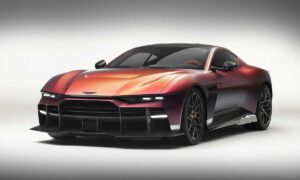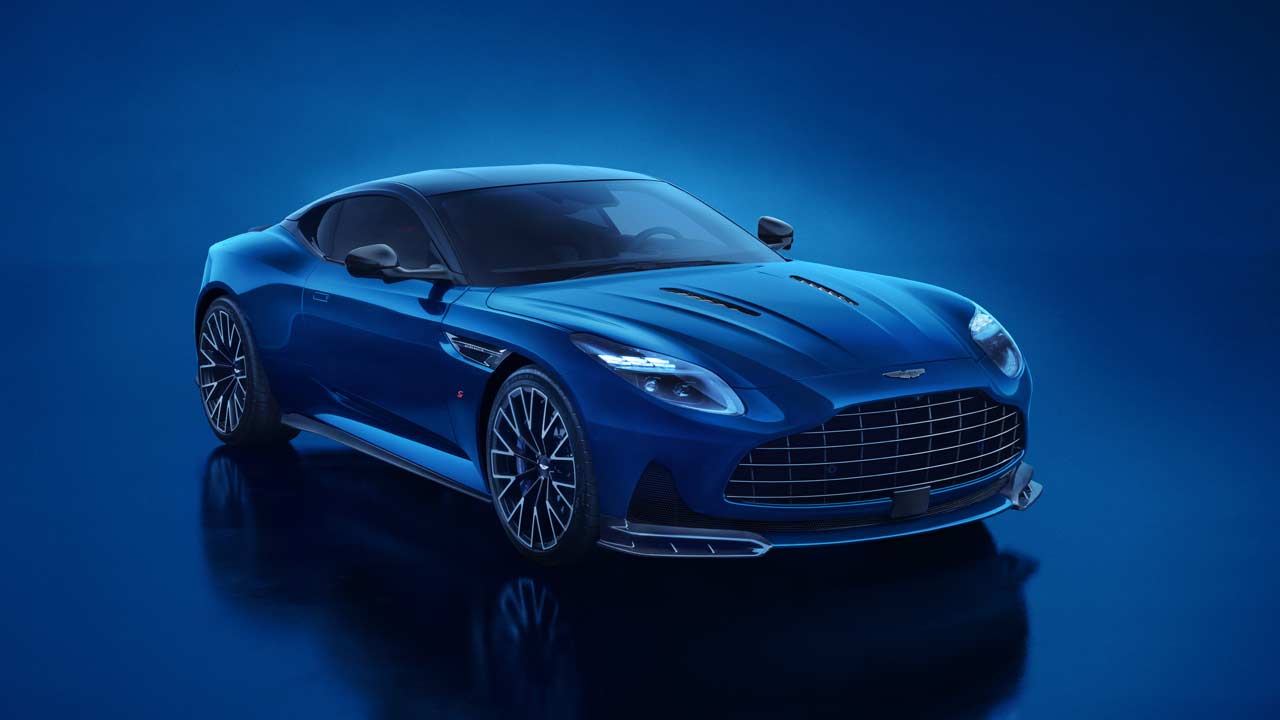
While it is true that the DB12 predecessor did not have the ‘S’ model, there were a few ‘S’ models in the past, including the DB3S, the Vantage S, and the Vanquish S, where the ‘S’ typically stood for lightweight and more power. More recently, Aston Martin introduced the DBX S, marking the return of that tradition. Following the DBX S is, of course, the DB12 S, billed as the new halo model of Aston Martin’s legendary DB bloodline. The DB12 S is available to order now, in Coupe and Volante forms, with deliveries commencing in Q1 2026.
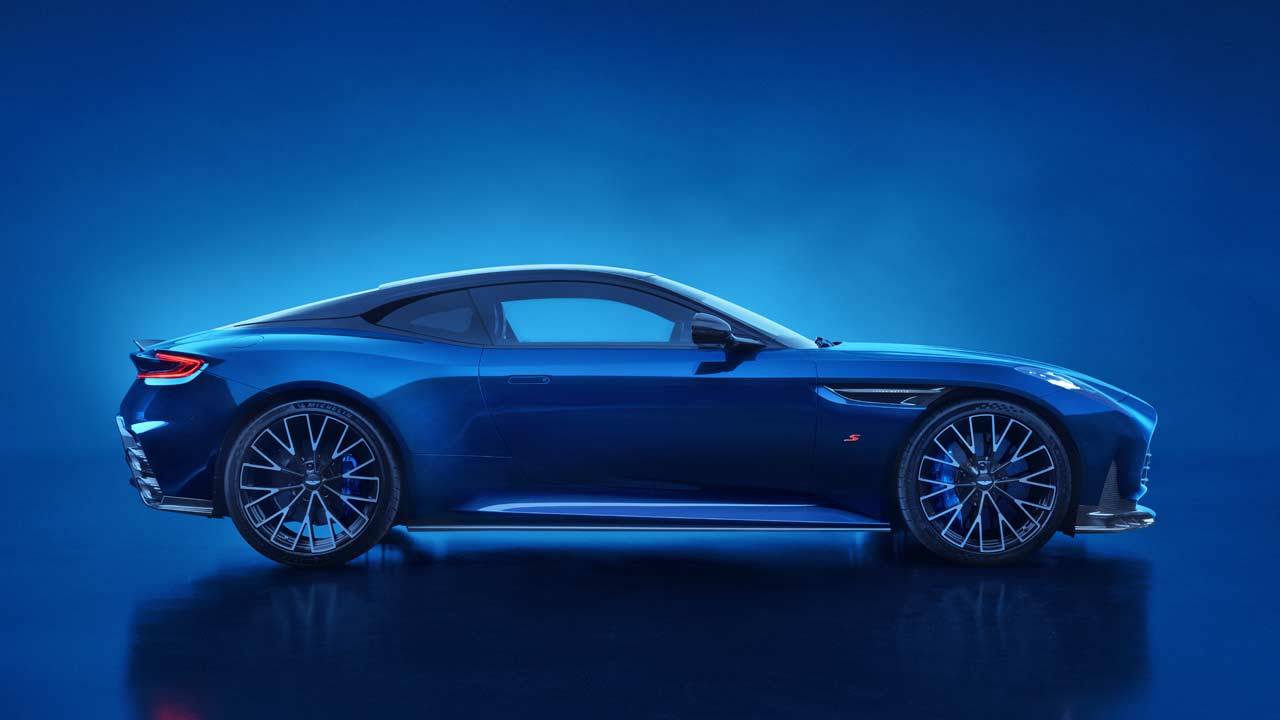


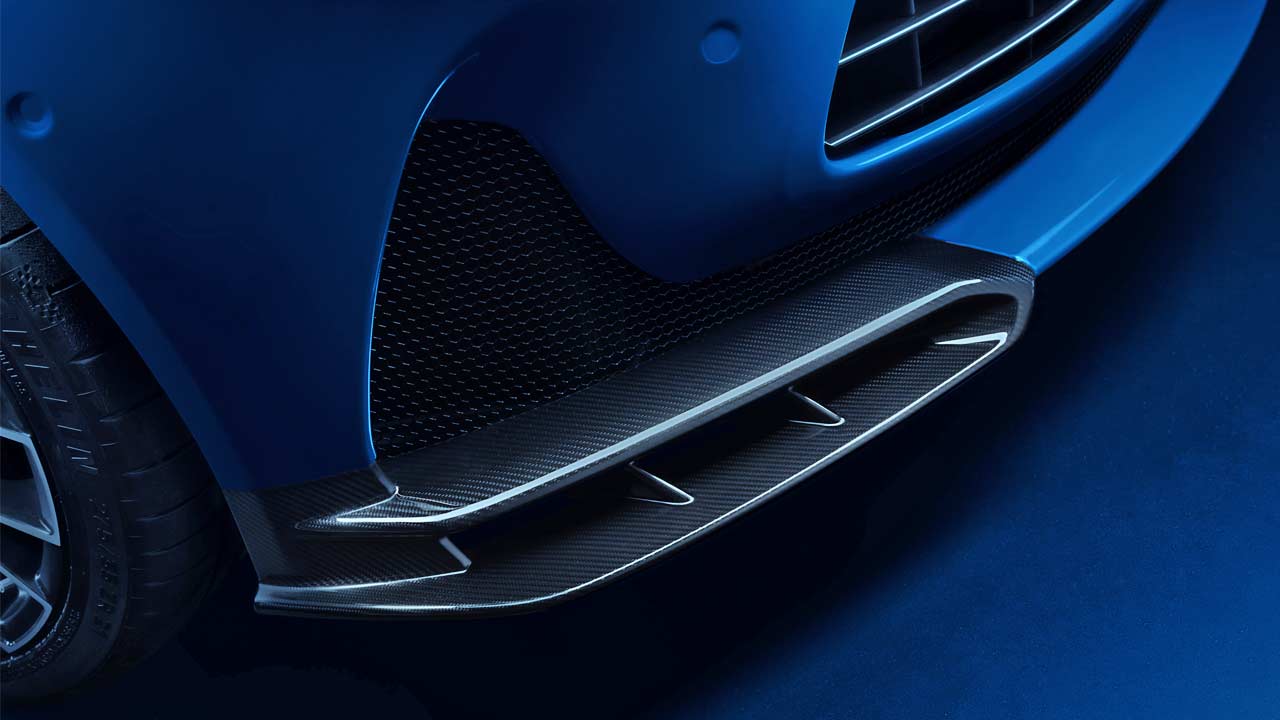
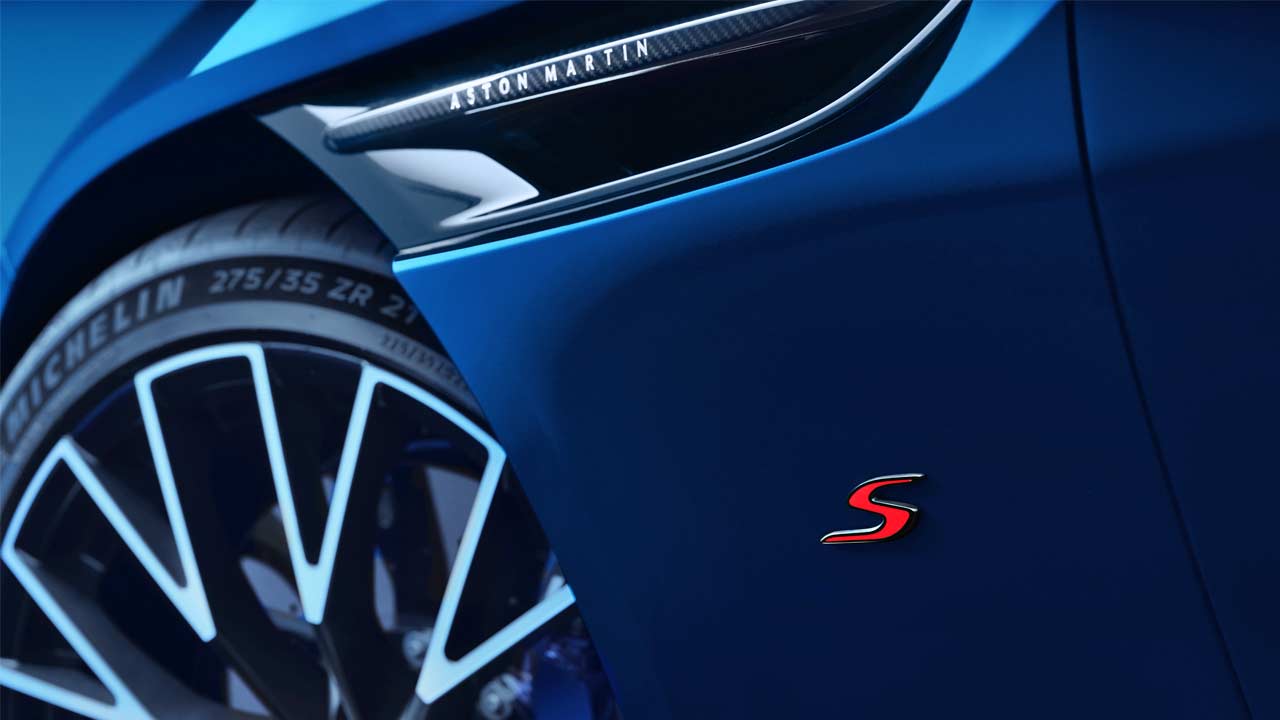
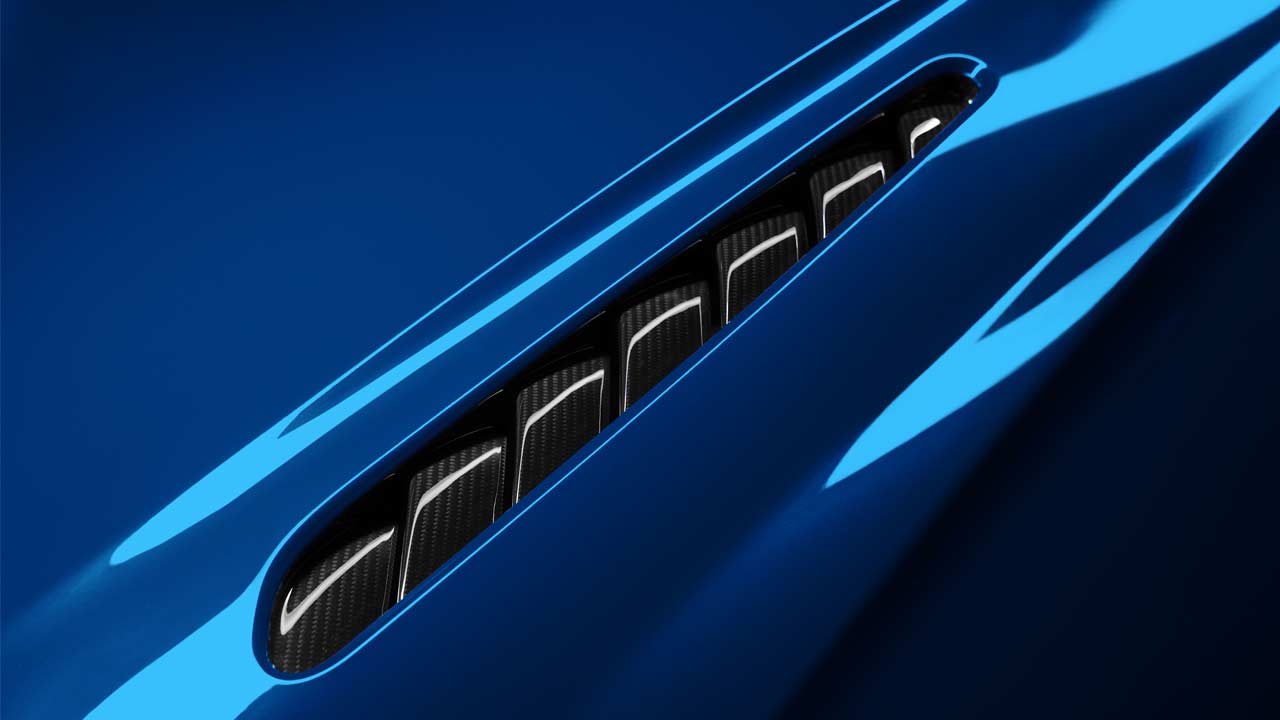
Visually, the DB12 S tries to look discreet.. I mean, it doesn’t scream that it is the most powerful in the lineup. From the front-three-quarter angles, it looks almost identical to the regular DB12, unless you search for changes such as carbon fibre dual element front splitter and modified bonnet louvres; the latter can be had in either gloss black or optional 2×2 twill carbon fibre. On the side profile, you’ll not find much difference except for a red ‘S’ badge. Continue walking towards the rear, and you’ll notice some significant differences; the bumper has been modified to accommodate a pair of stacked tailpipes, and there’s also a redesigned diffuser.
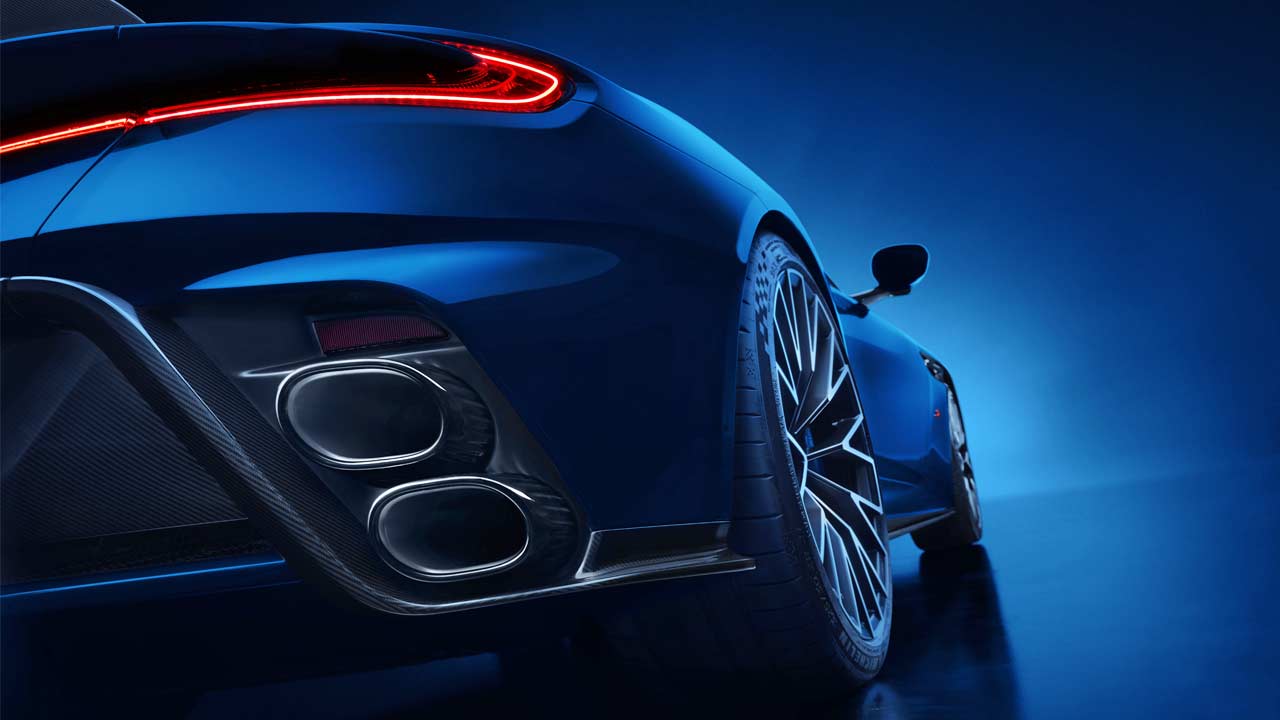

Aston Martin claims that the standard stainless steel sports exhaust system has a distinct exhaust note. There’s an option to go for a titanium exhaust system, which amplifies that soundtrack, further boosting the bass, mid and treble frequencies, uplifting the sound level by 1.5 dB, while also reducing weight by 11.7 kg (26 lbs) compared to the stainless steel system. And, of course, don’t miss that fixed rear spoiler.
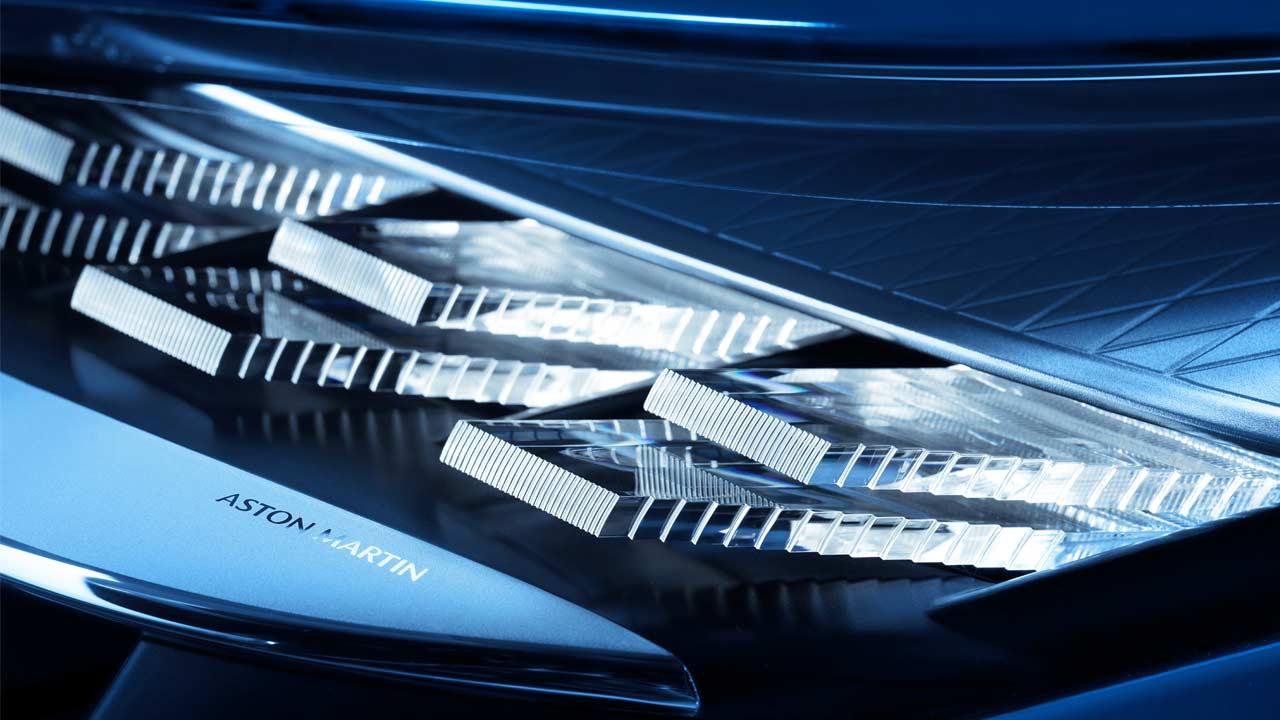
The DB12 S gets standard Carbon Ceramic Brakes (CCB) with discs measuring 410 mm at the front and 360 mm at the rear. The CCB is claimed to save 27 kg (59.5 lbs) of unsprung weight compared with steel brakes. Other changes include specific tuning for steering and electronic rear differential (E-diff). And, software changes to the Bilstein DTX dampers are claimed to improve roll and pitch control, which work in harmony with a stiffer rear anti-roll bar and finessed camber, toe and castor geometry settings.
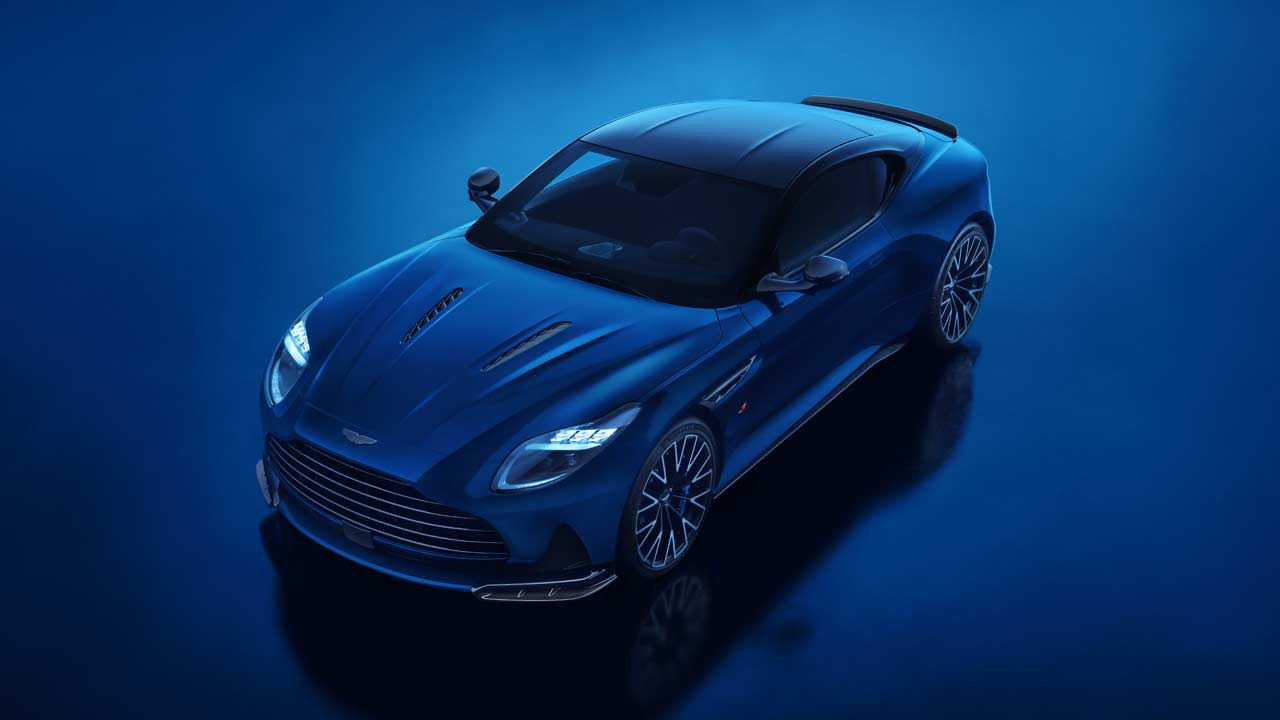
Moving on to the juicy bits of the story then, the Affalterbach-sourced 4.0L biturbo V8 in this application offers 515 kW (700 metric hp) at 6,000 rpm, an increase of 20 metric hp, while the torque of 800 Nm (590 lb-ft) remains the same. The official 0-100 km/h (62 mph) sprint time is 3.5 seconds, 0.1 seconds quicker than the regular model. Aston Martin claims that the throttle pedal has revised calibration for a sharper response, and the gearshift speed has also been reduced. But what’s more interesting, or strange rather, is that if you check the specifications on the official website, you’ll find that the regular DB12 weighs 1,788 kg (3,942 lbs) (kerb weight, including lightweight options), while the DB12 S weighs 1,820 kg (4,012 lbs). That is 32 kg (70.5 lbs) heavier than the regular model. I’m not sure if this is an error, or, the weight comes from extra bracings and other chassis strengthening measures. But either way, a 20 hp increase apparently compensates for an extra 32 kg and results in a 0.1-second quicker sprint time.
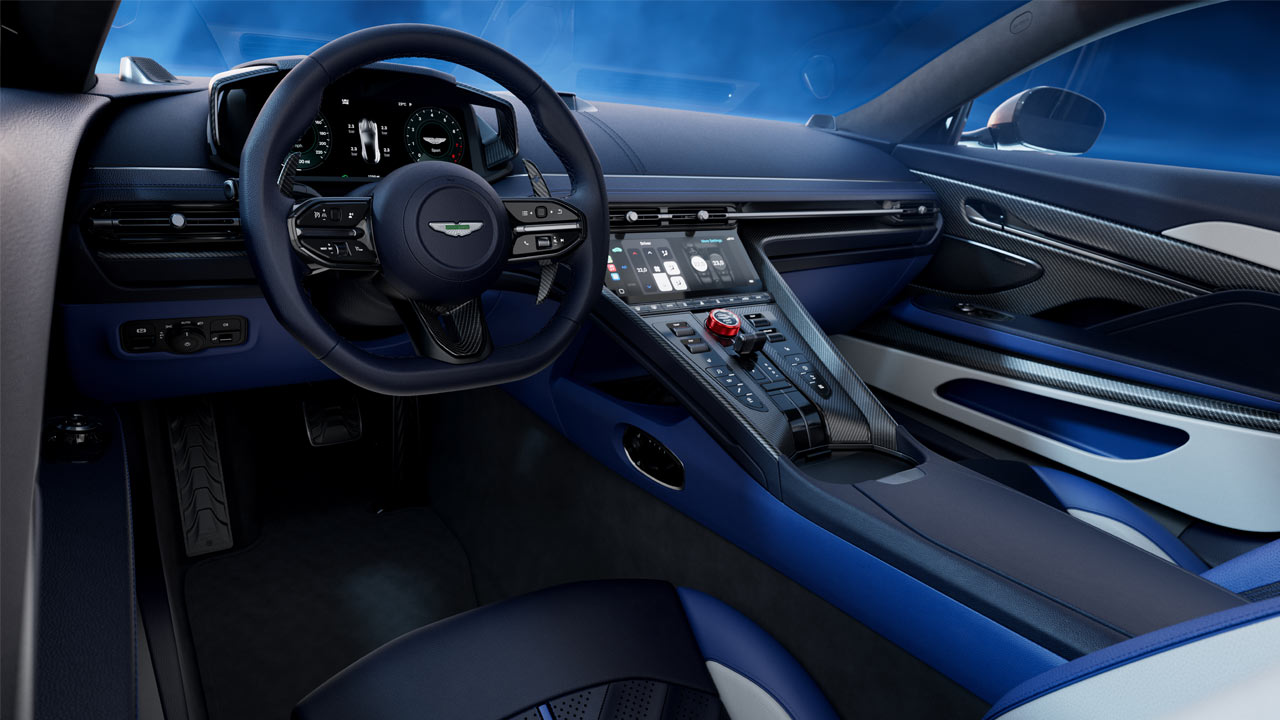
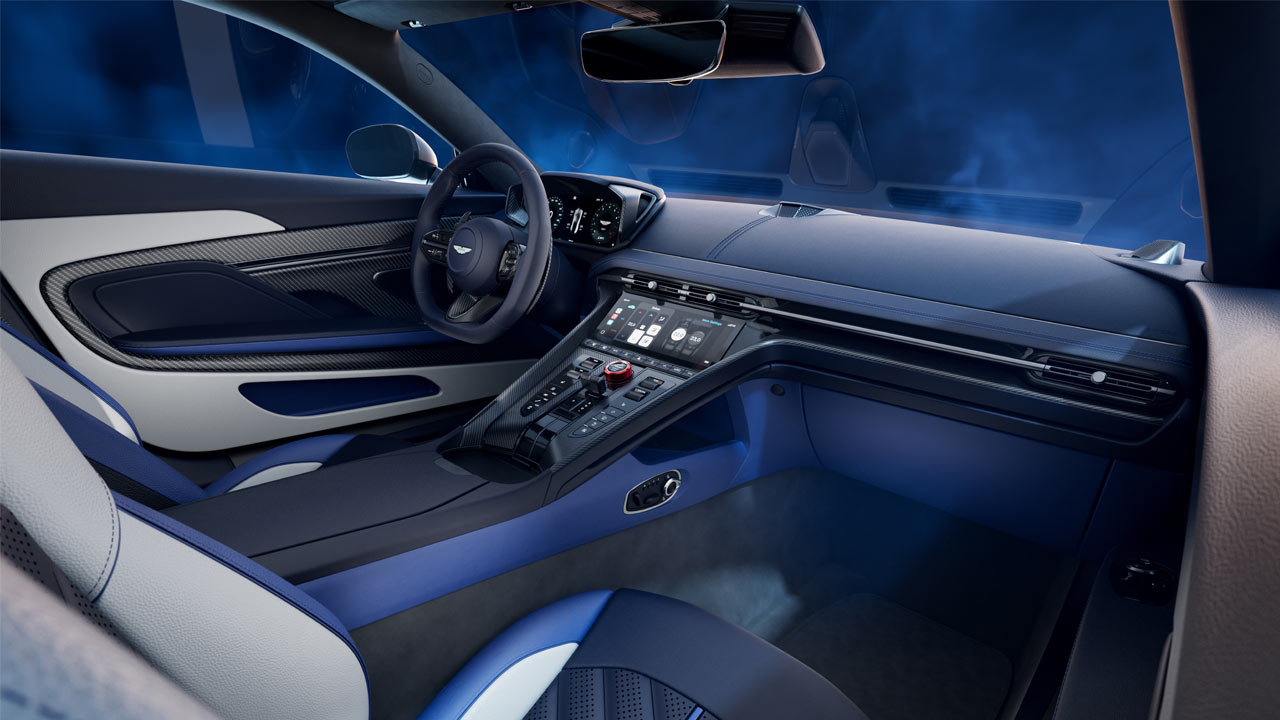
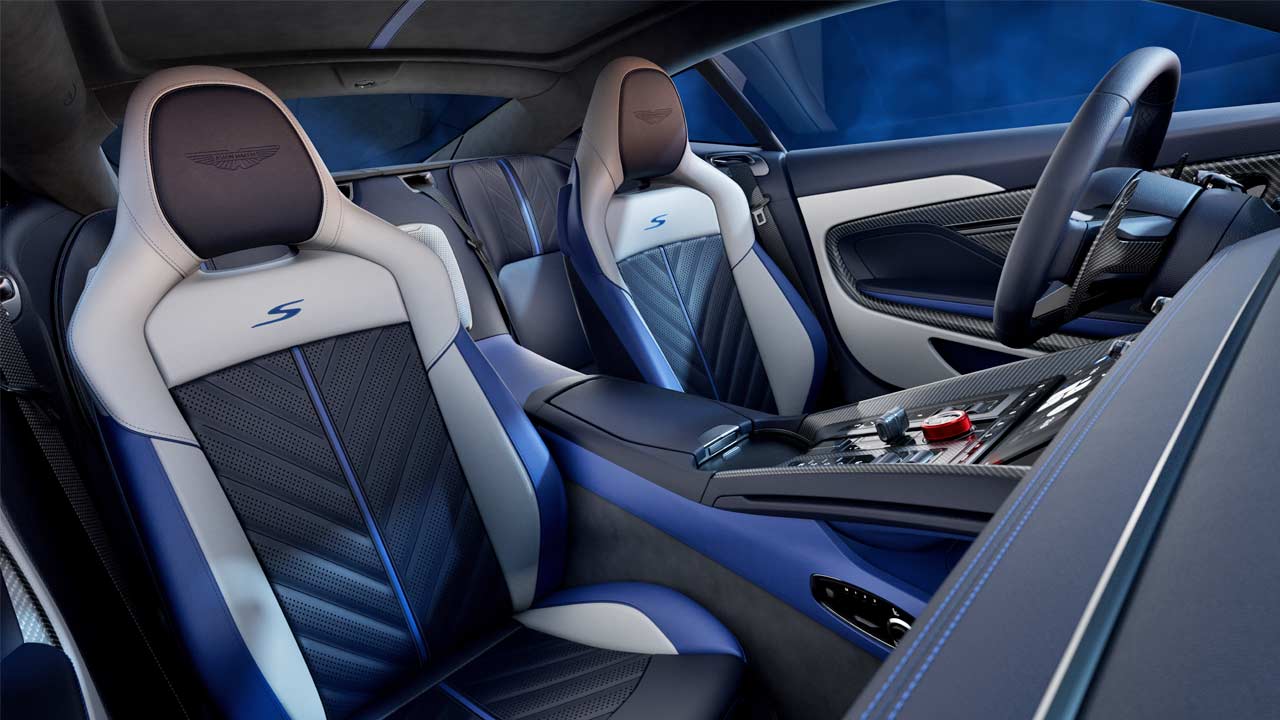
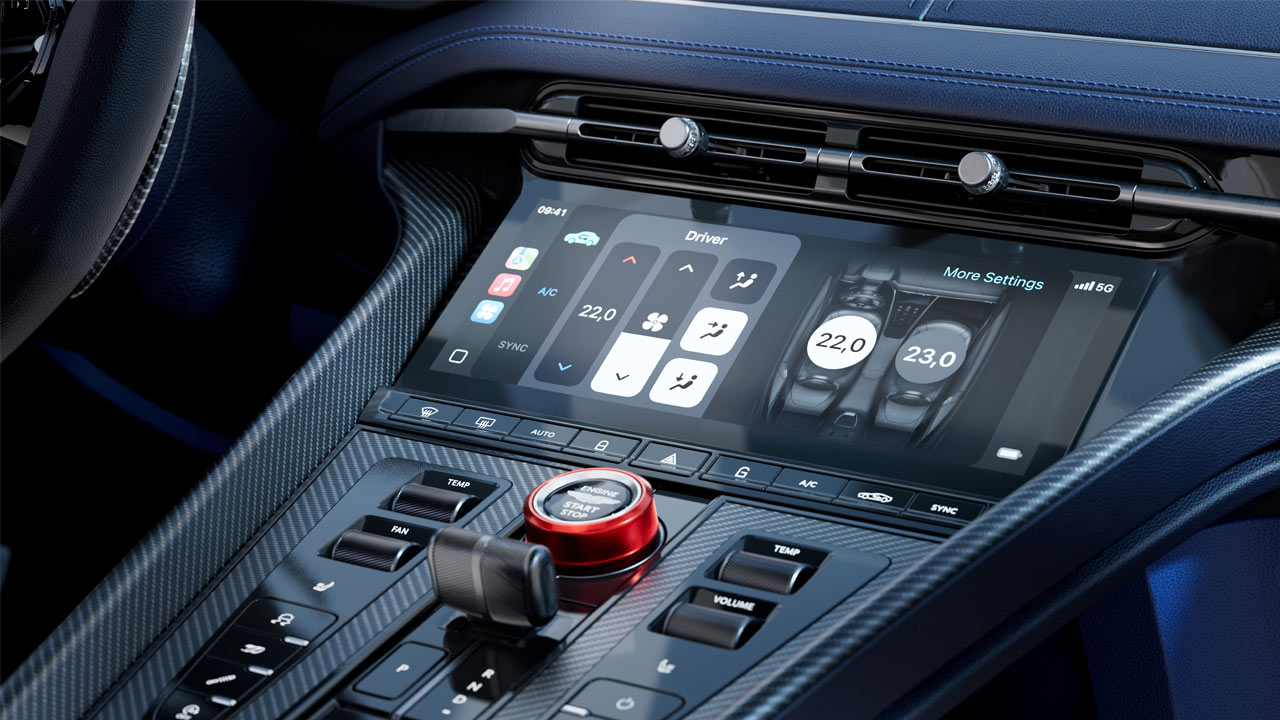
Inside, the DB12 S comes with 16-way Sport Plus electric seats as standard. Options include Carbon Fibre Performance seats and an Alcantara-wrapped heated sports steering wheel.