Such a boring name, just like ‘La Ferrari’
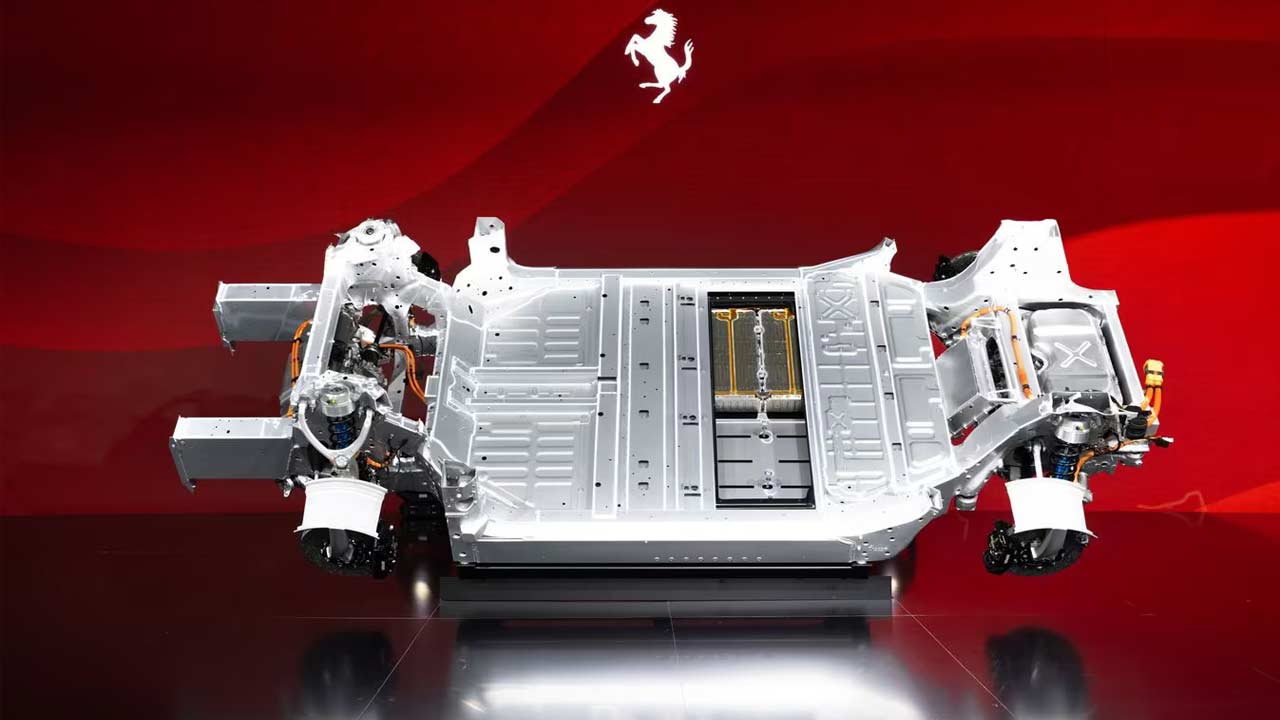
As Lamborghini continues working on the production version of the Lanzador concept, Ferrari just made it official that it is also working on its first-ever BEV called ‘Elettrica’. While there’s no fancy concept to show off yet, the company showcased the chassis and related components upon which the Elettrica will be built. The Elettrica is expected to make its public debut in the first half of 2026, after, of course, a private preview for the Ferrari VIPs.
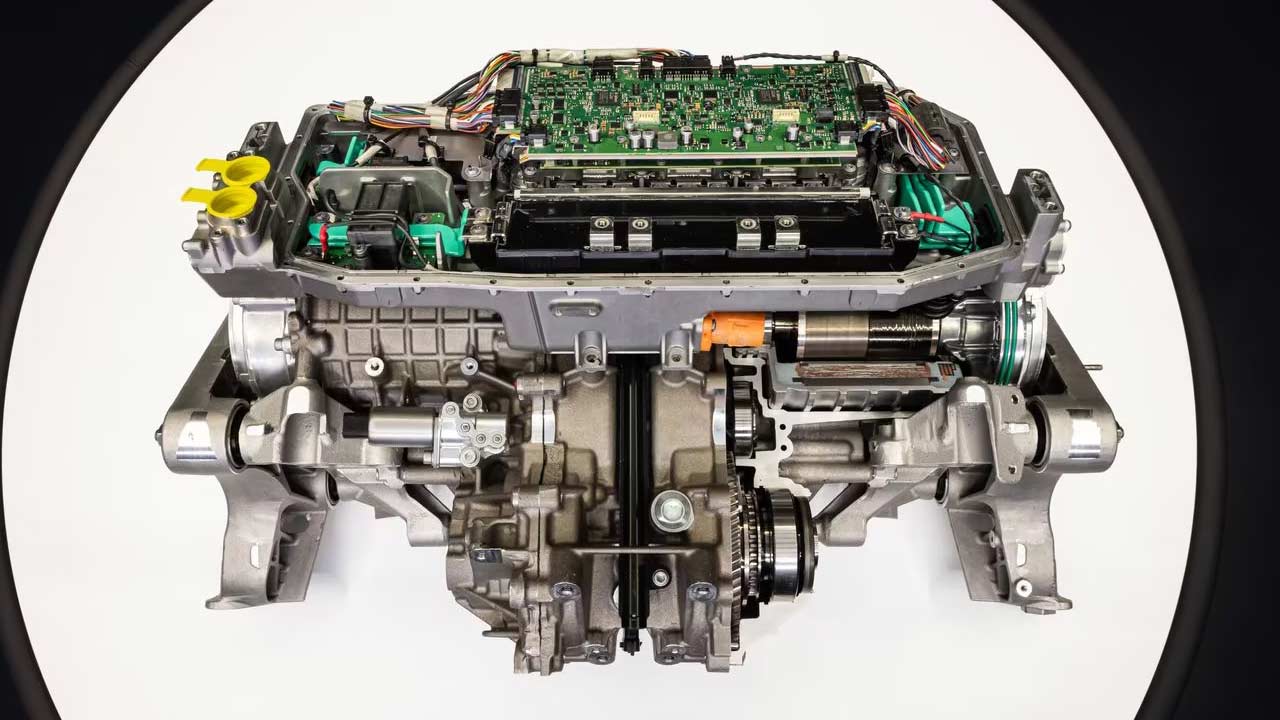
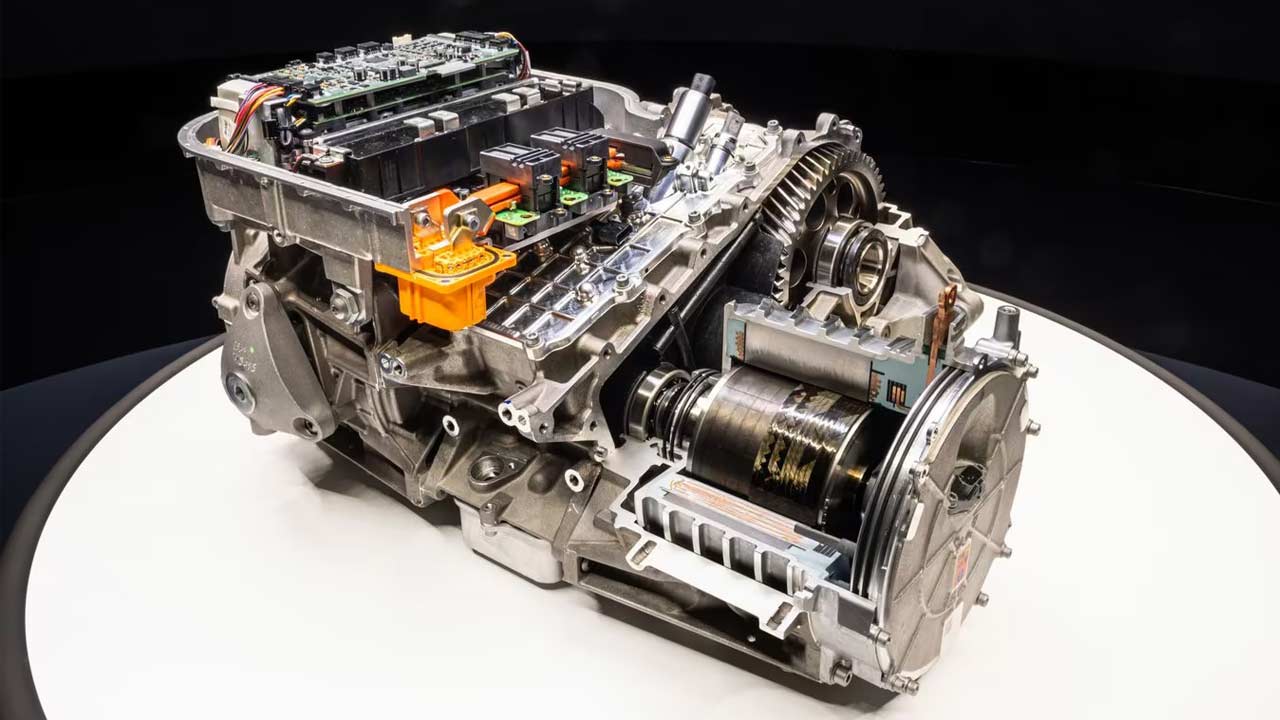
So, what kind of a BEV are we looking at? Well, that’s a good question, indeed. If a reliable source is to be believed, we are looking at a 4-door high-riding GT, and I’ll leave the rest for your colorful imagination. The Elettrica will have four electric motors, one for each wheel, but packed as a pair with an inverter for each axle, as shown in the pictures above (L: front-axle; R: rear-axle). These motors are permanent magnet motors with a Halbach array configuration, and are claimed to be developed in-house. This configuration is to direct the magnetic flux towards the stator to maximize torque density and reduce overall weight.
The front e-axle weighs 65 kg (143 lbs), and develops a max power of 300 kW (408 metric hp) and 140 Nm (103 lb-ft) of torque in Performance Launch mode, while the rear e-axle weighs 129 kg (284 lbs), and develops a max power of 600 kW (816 metric hp) and 355 Nm (262 lb-ft) of torque, again, in Performance Launch mode. Which means more than 1,000 combined horsepower is definitely guaranteed. Ferrari claims wheel torque of 3,500 Nm (2,581 lb-ft) and 8,000 Nm (5,900 lb-ft), front and rear, respectively. But anyway, let’s wait for the final figures.
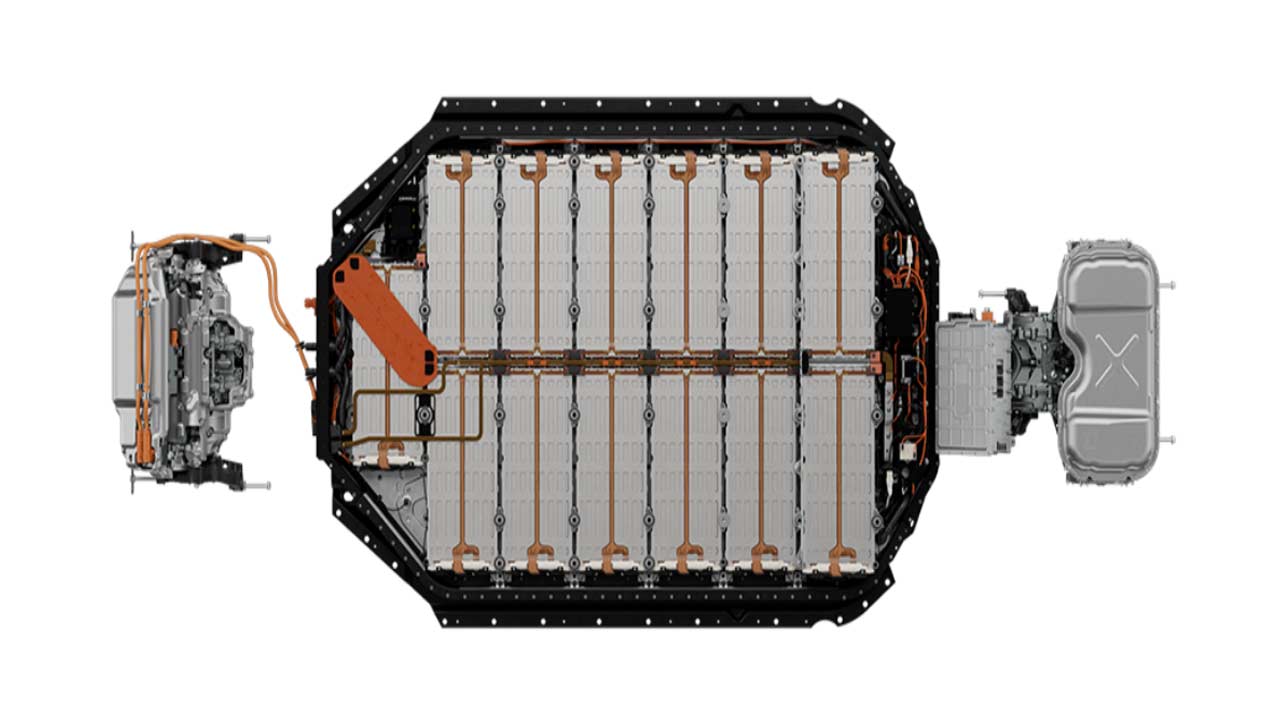
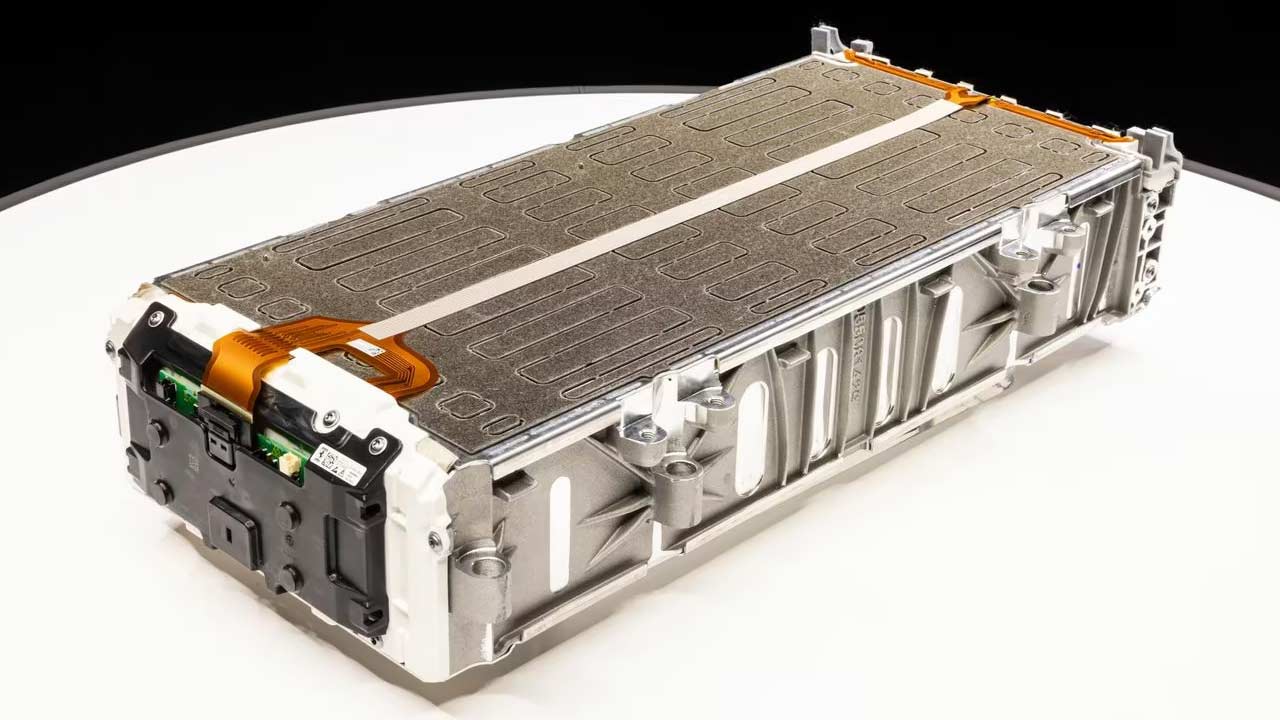
The battery pack is claimed to be designed and assembled in-house, but I’m sure the cells come from either China or Korea. The 122 kWh (gross) pack contains 15 modules and has a total power density of 195 Wh/kg—billed as the highest of any electric car. Just to give you an idea, the Rimac Nevera‘s 120 kWh pack has a density of 169 Wh/kg. Ferrari says that the battery pack is designed in such a way that it can be removed and repaired/replaced if needed without damaging the structural elements. While it may not be as good as swappable systems, easy repairability is still a lot better. The 880-volt architecture enables fast-charging with up to 350 kW. Ferrari claims a range of over 530 km (329+ mi) on a full charge.
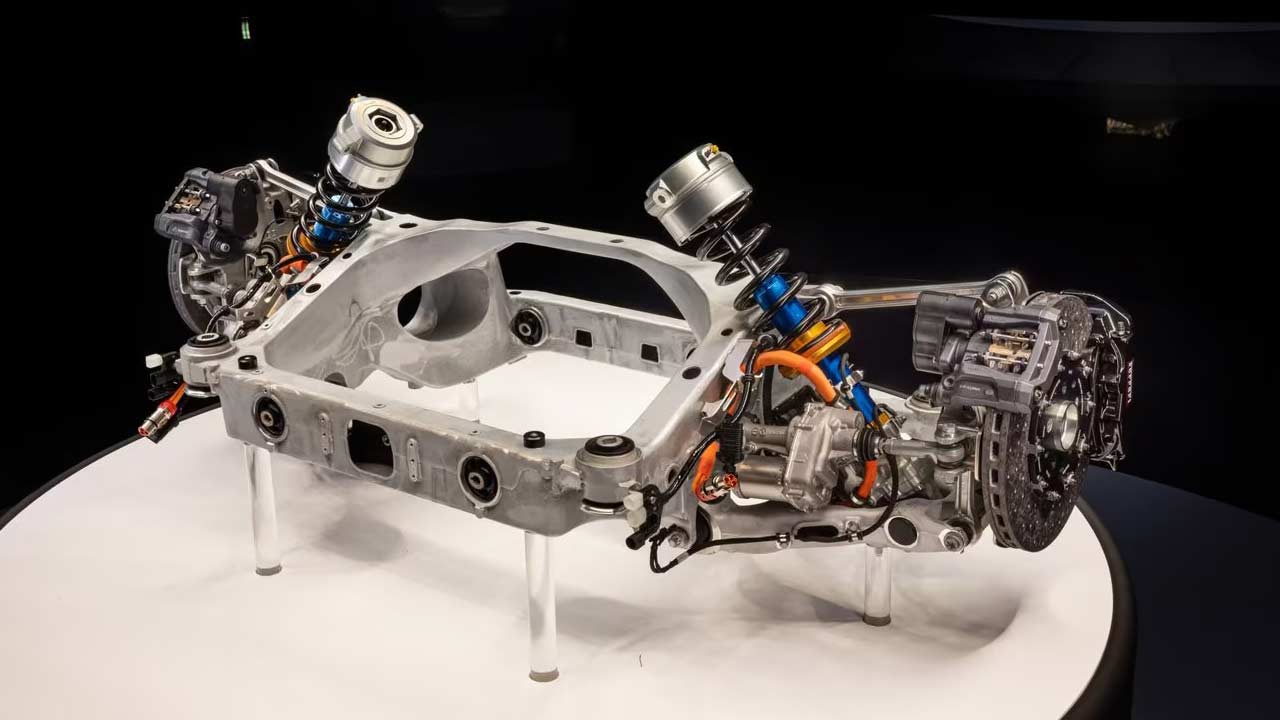
Let’s talk about the chassis itself then, shall we? For the first time in Ferrari’s history, both the chassis and bodyshell components are manufactured with 75% recycled aluminium, which is claimed to contribute to an overall saving of 6.7 tons of CO2 for every vehicle built. Another first time for Ferrari is a separate rear subframe, intended to reduce noise and vibration perceived in the cabin.
Some of the other key highlights include the third generation of the 48-volt active suspension system – originally introduced on the Purosangue and evolved for the F80. In this application, it is claimed to take ride comfort, body control and vehicle dynamics to even greater heights by distributing cornering forces optimally over the four wheels. Furthermore, unlike a lot of EVs these days, the Elettrica will not have any artificially generated sounds. Instead, Ferrari engineers will use a high-precision accelerometer installed near the rear axle to pick up the frequencies of the powertrain, which will be used to curate a feedback-based sound to the driver. In other words, the sound will be generated by the car’s mechanical components themselves.