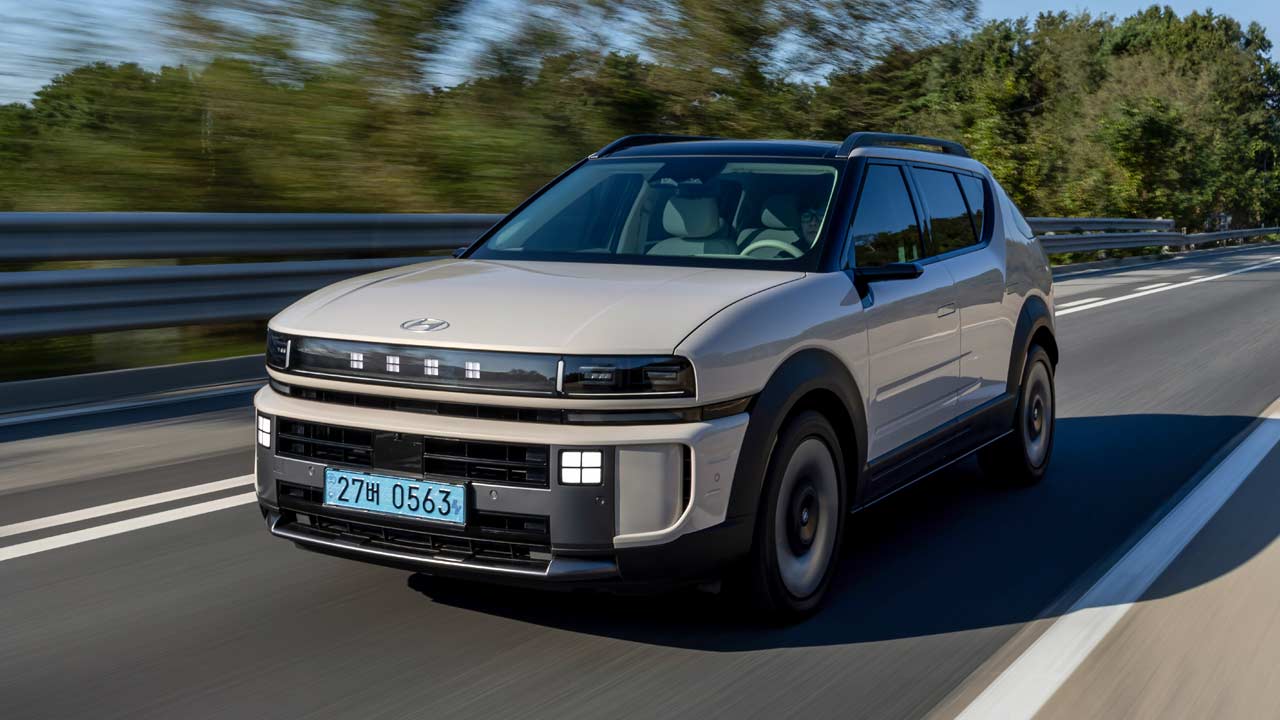
The second-gen Hyundai Nexo is now on sale in its home market of Korea, with prices (after tax benefits) starting at KRW 76,435,000 (€44,900). European markets may get the new Nexo sometime in the first half of 2026.
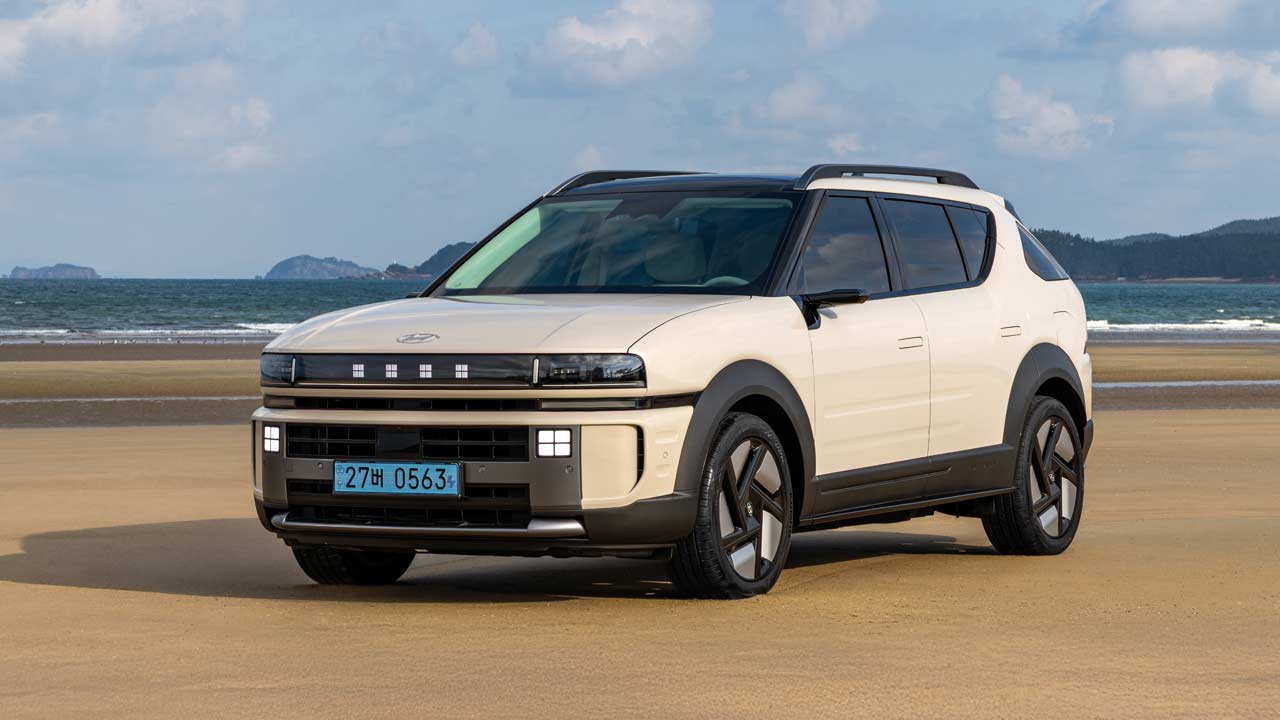
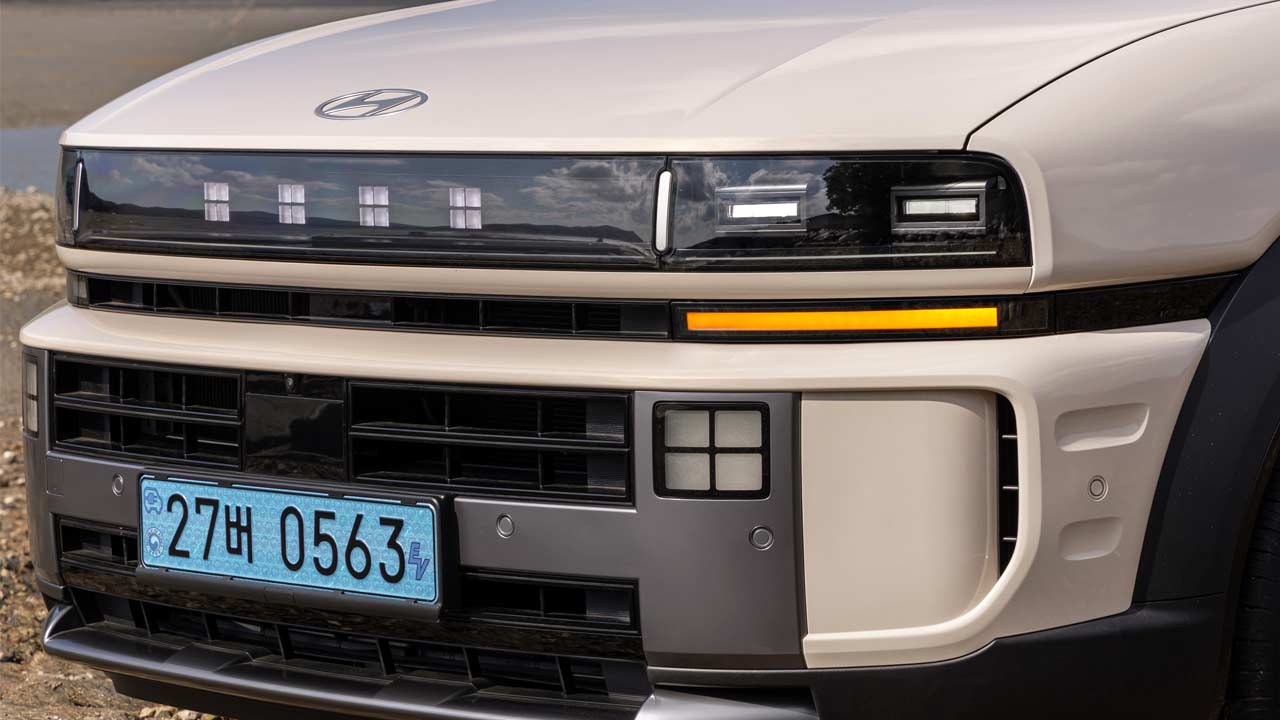
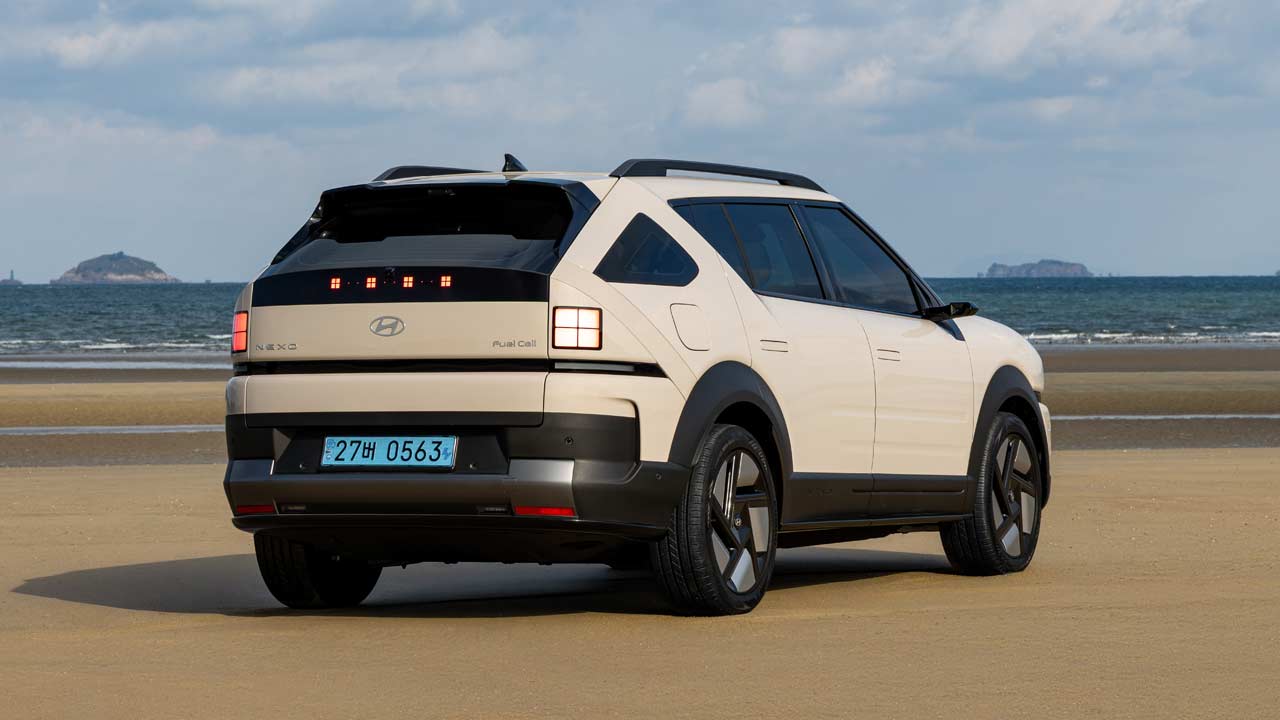
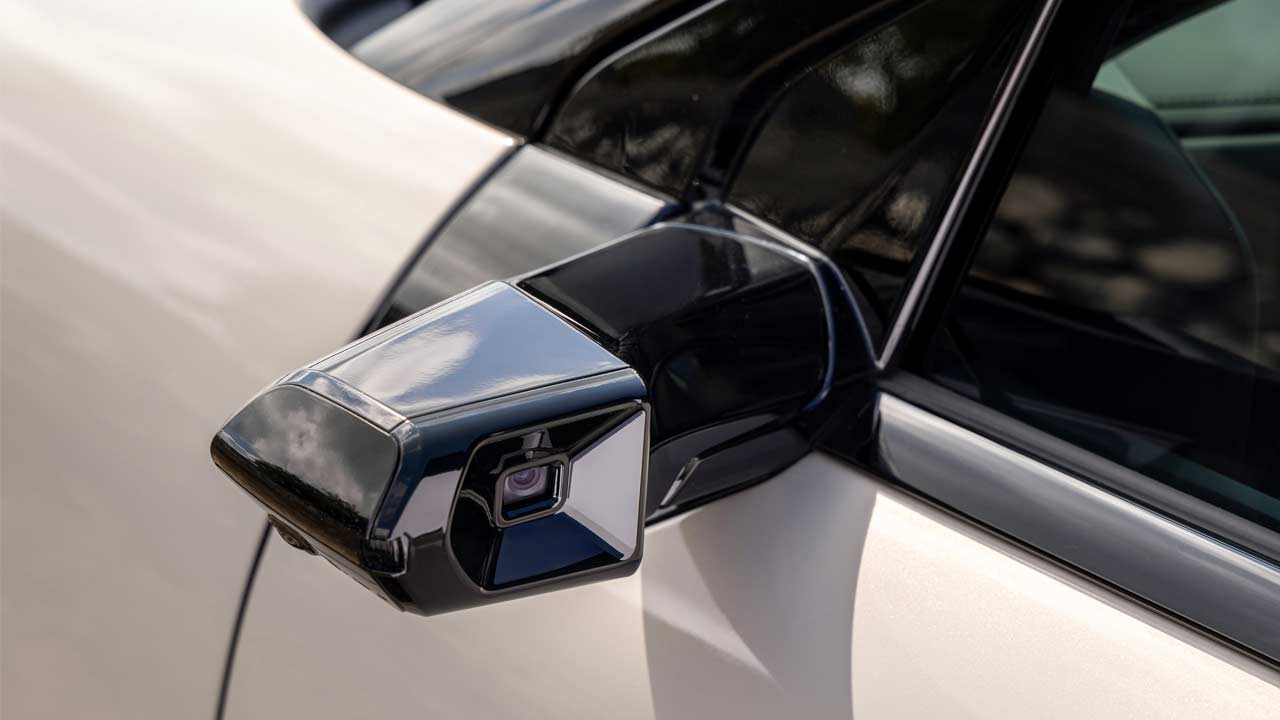
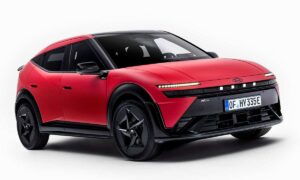
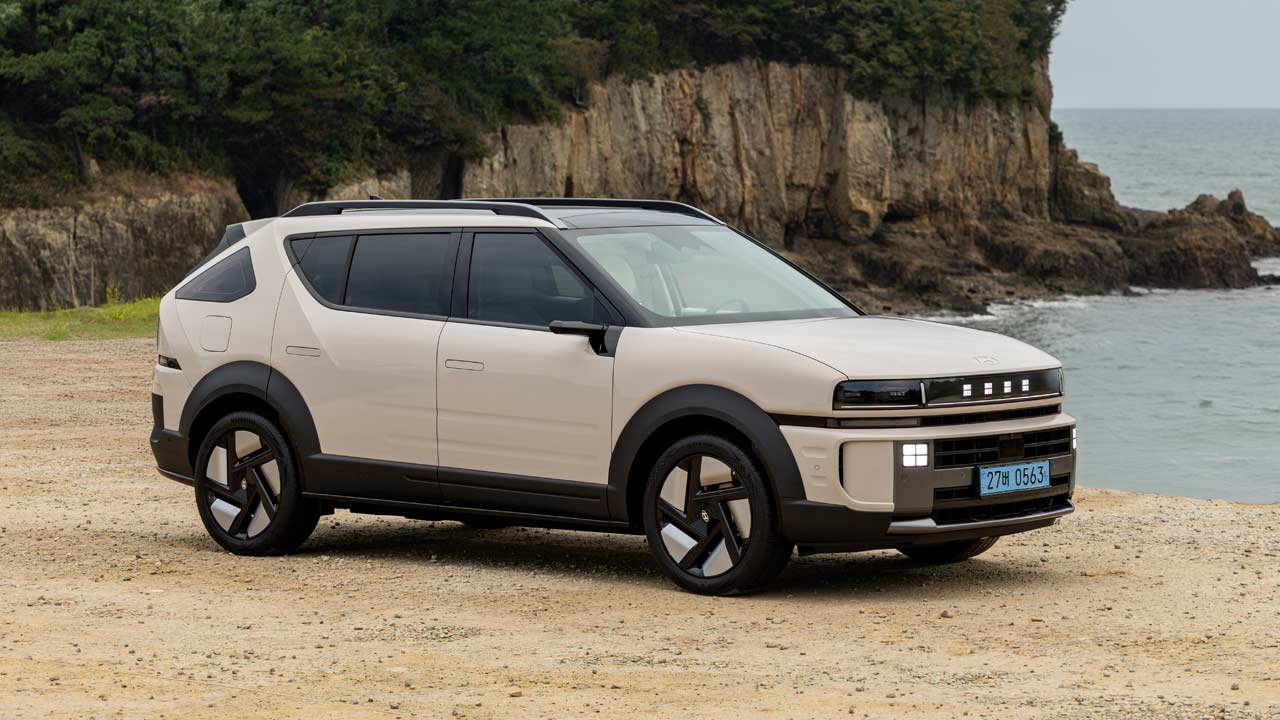
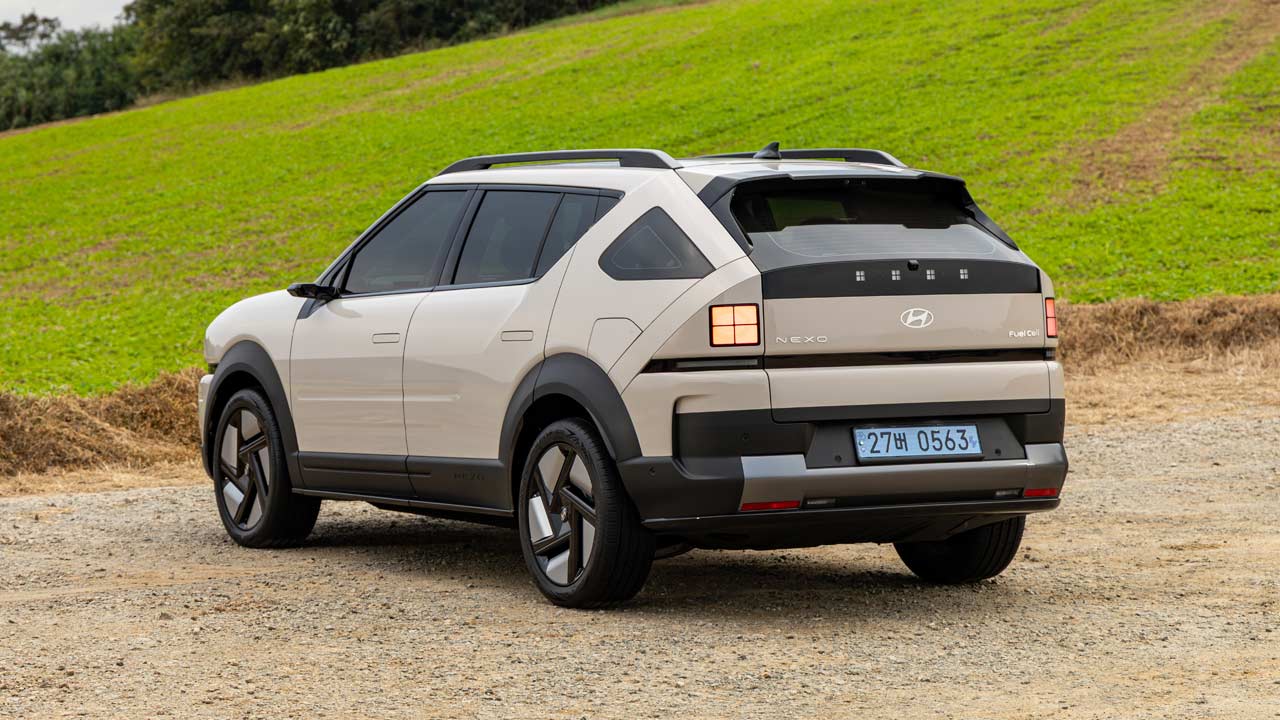
The design may look familiar, and that’s because the second-gen Nexo was showcased as the ‘Initium’ concept a year ago. The production model retains most of the design elements from the concept, including those cube-shaped LEDs, wheels with aero covers, and mirror cameras. The design is a combination of Hyundai’s new ‘Art of Steel’ design language and the ‘Parametric Pixel’ design language; the latter has been in use for quite a while now. Depending on the market, exterior color options include Creamy White Pearl, Phantom Black Pearl, Amazon Gray Metallic, Ocean Indigo Matte, Ecotronic Gray Pearl, and Goyo Copper Pearl.
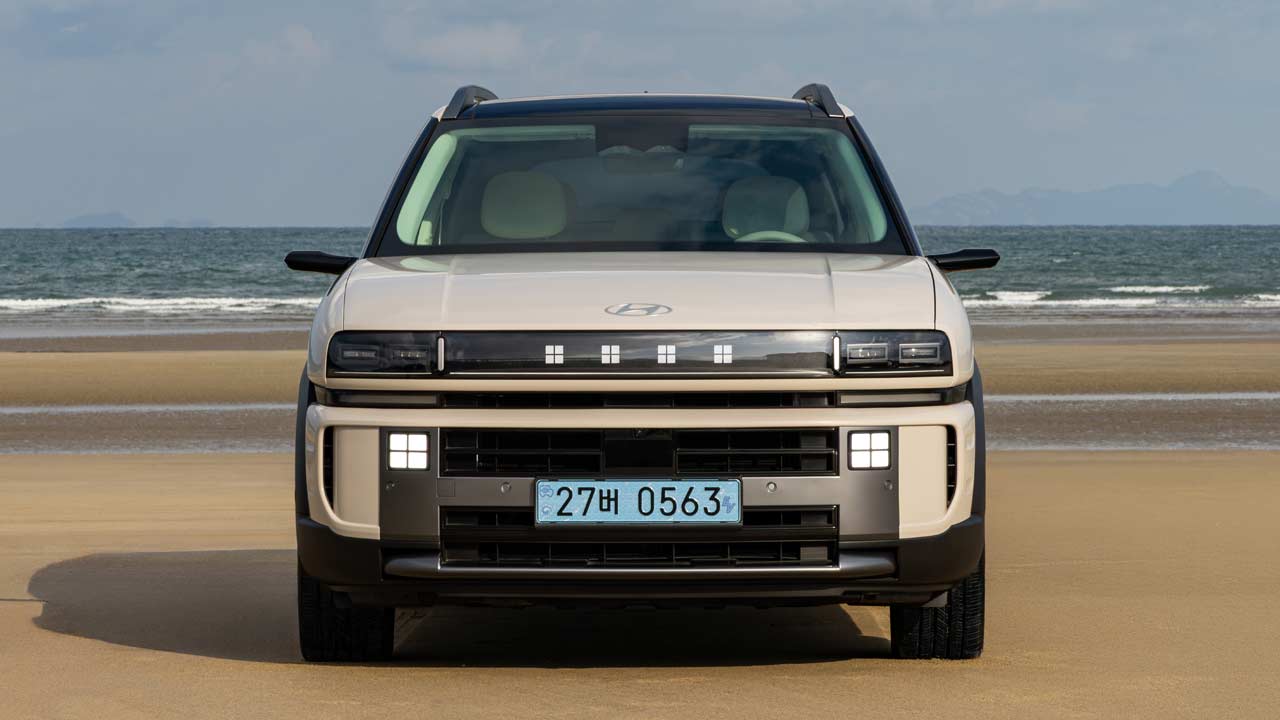
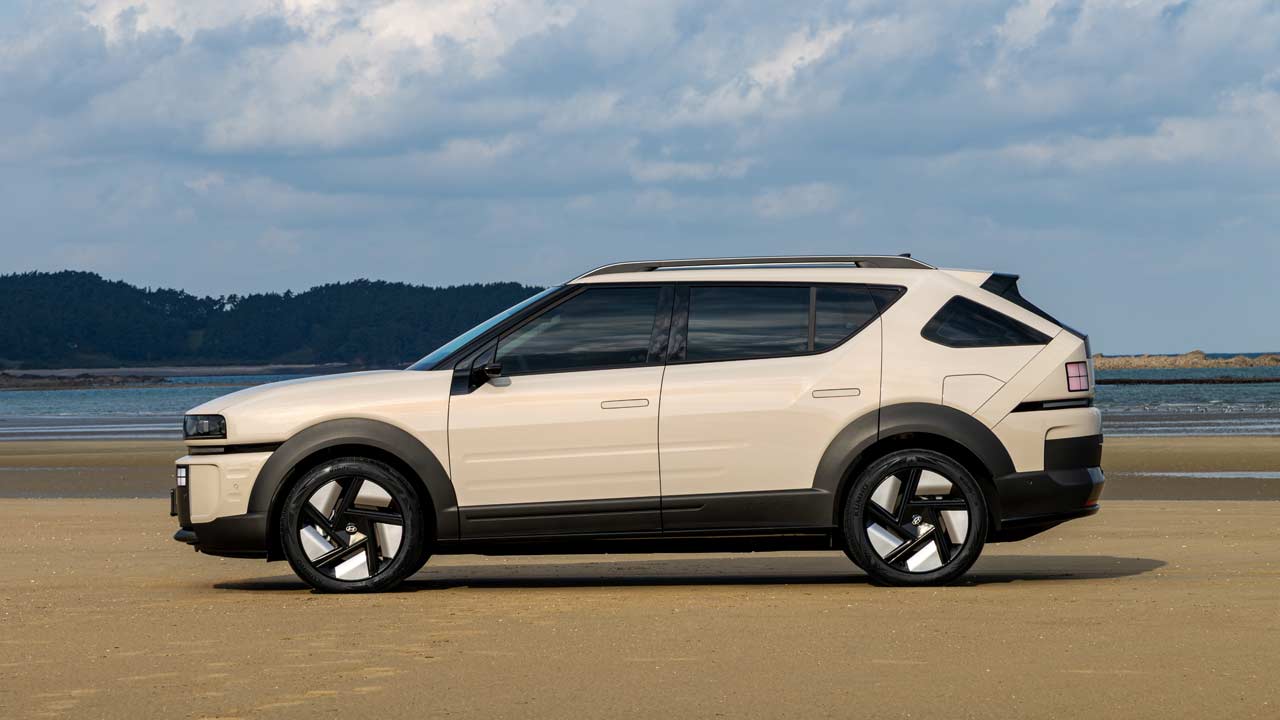
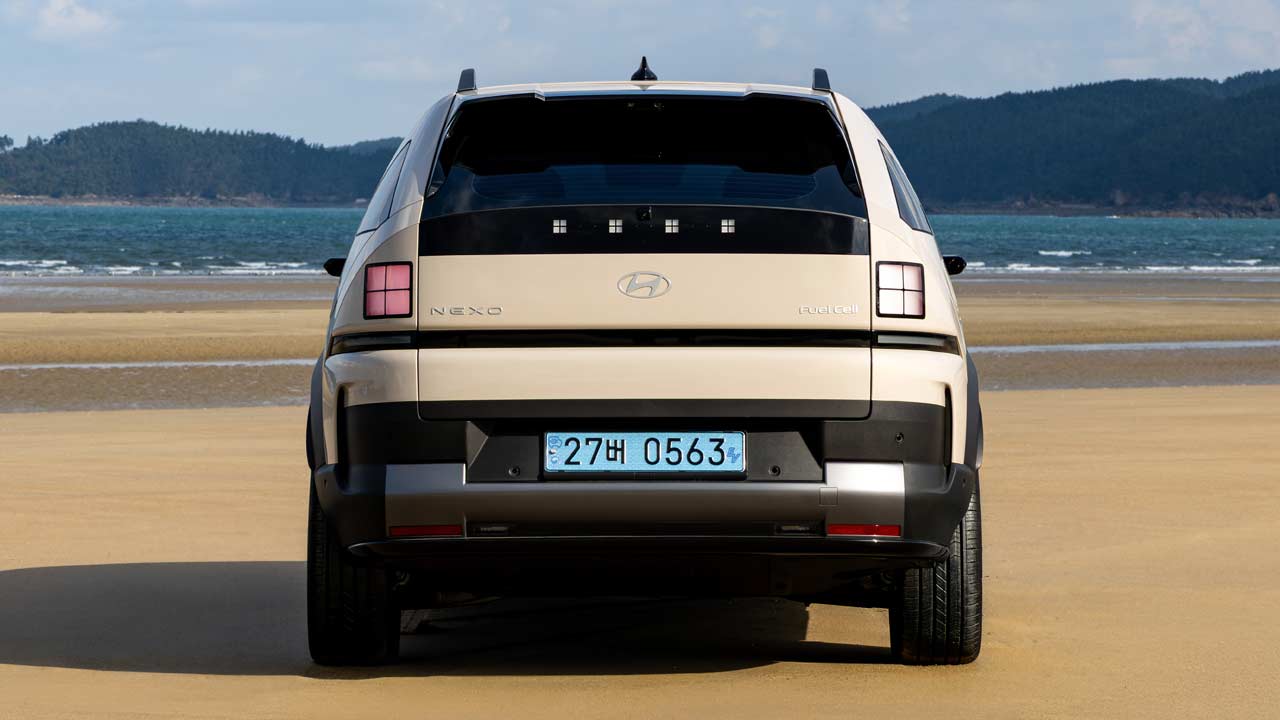
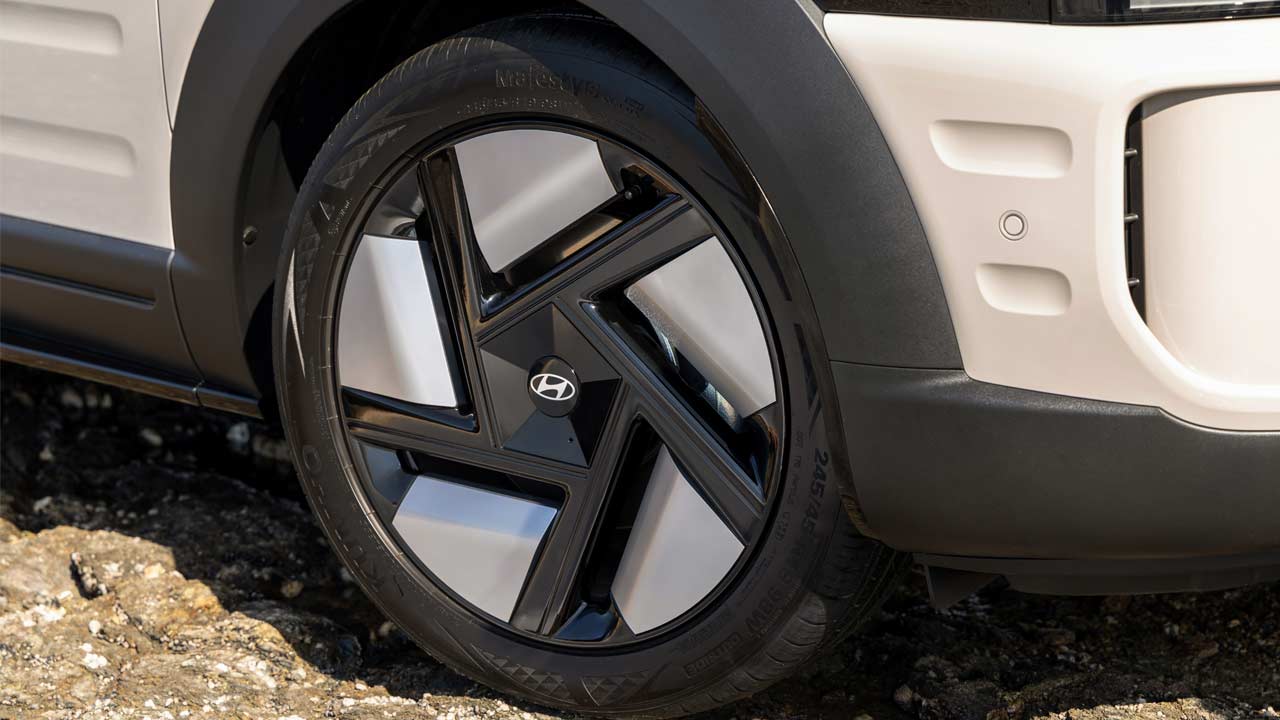
The new Nexo is slightly larger than its predecessor. It measures 4,750 mm long, 1,865 mm wide and 1,640 mm tall (1,675 mm with roof rack). The wheelbase of 2,790 mm is identical to its predecessor. Depending on the market and/or options, the new Nexo rides on 18- or 19-inch wheels, and of course, the range varies depending on the wheels. The example shown in the images above rides on 19-inch wheels. The 18-inch wheels have a different design.
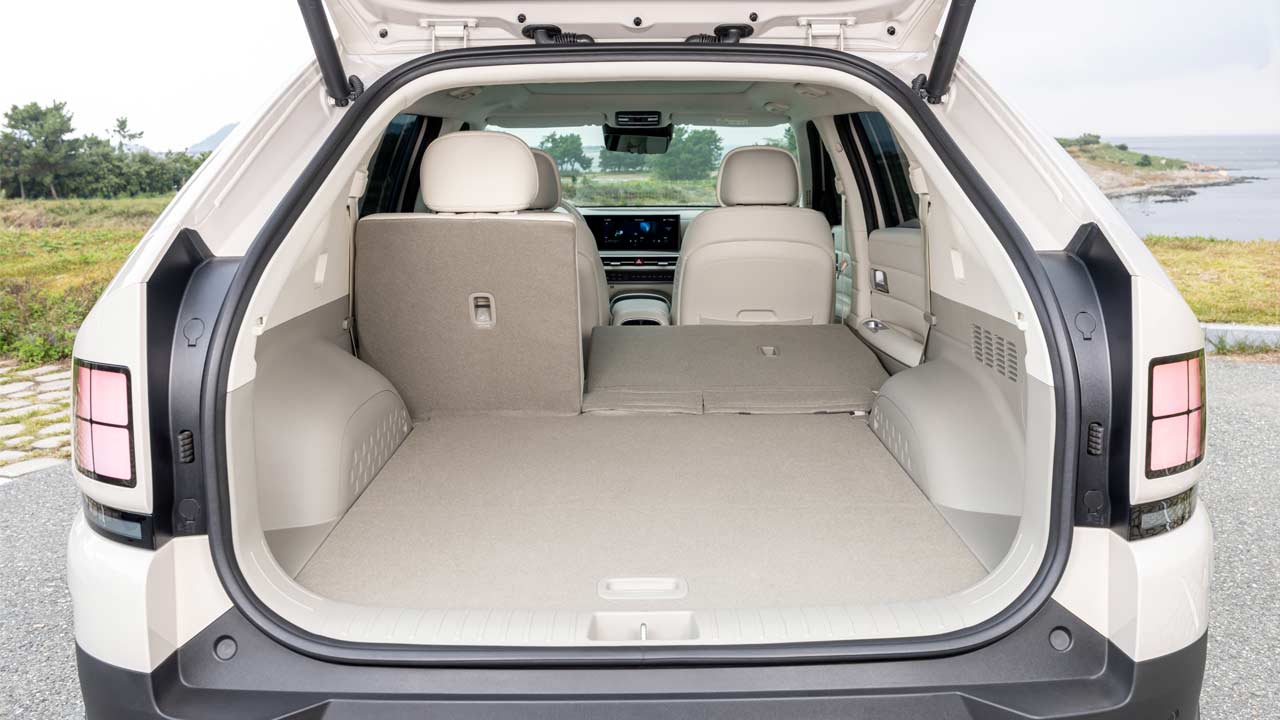
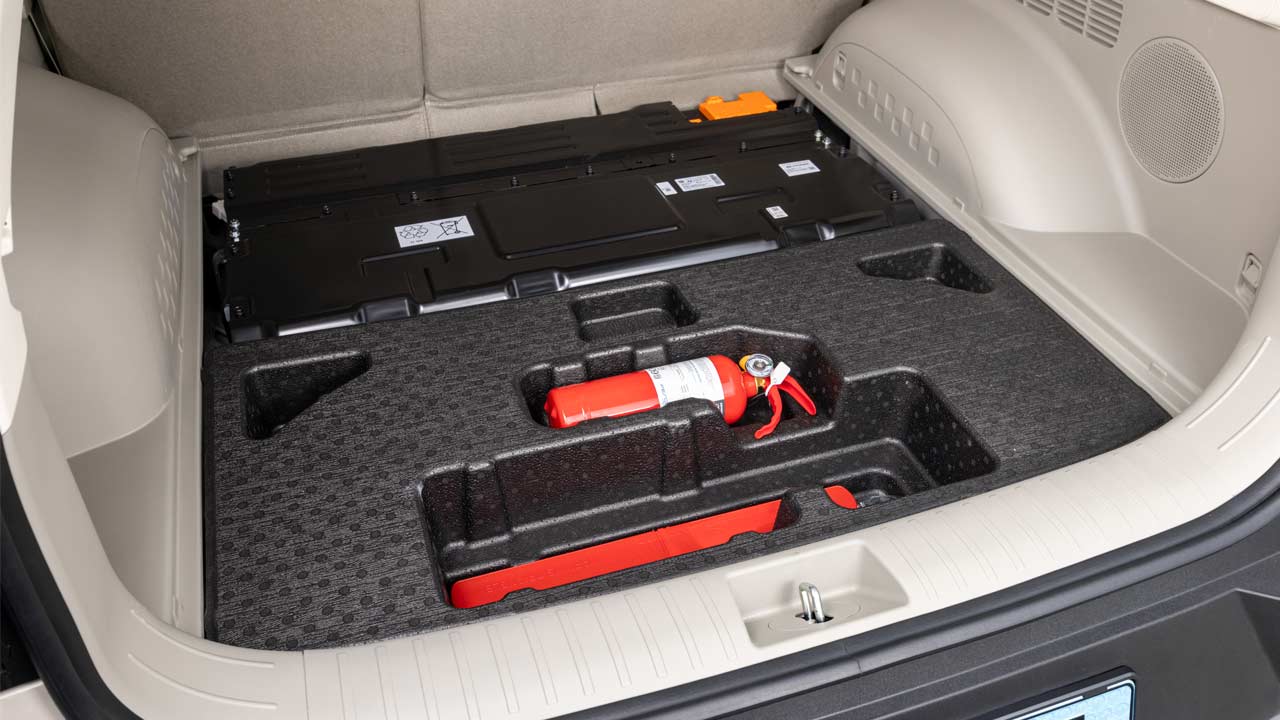
The luggage compartment looks neat and almost flat. There are also a few hidden storage spaces, which is always a good thing. Behind the second row, the capacity is 993 litres, and with the seat back folded down, the capacity increases to 1,719 litres.
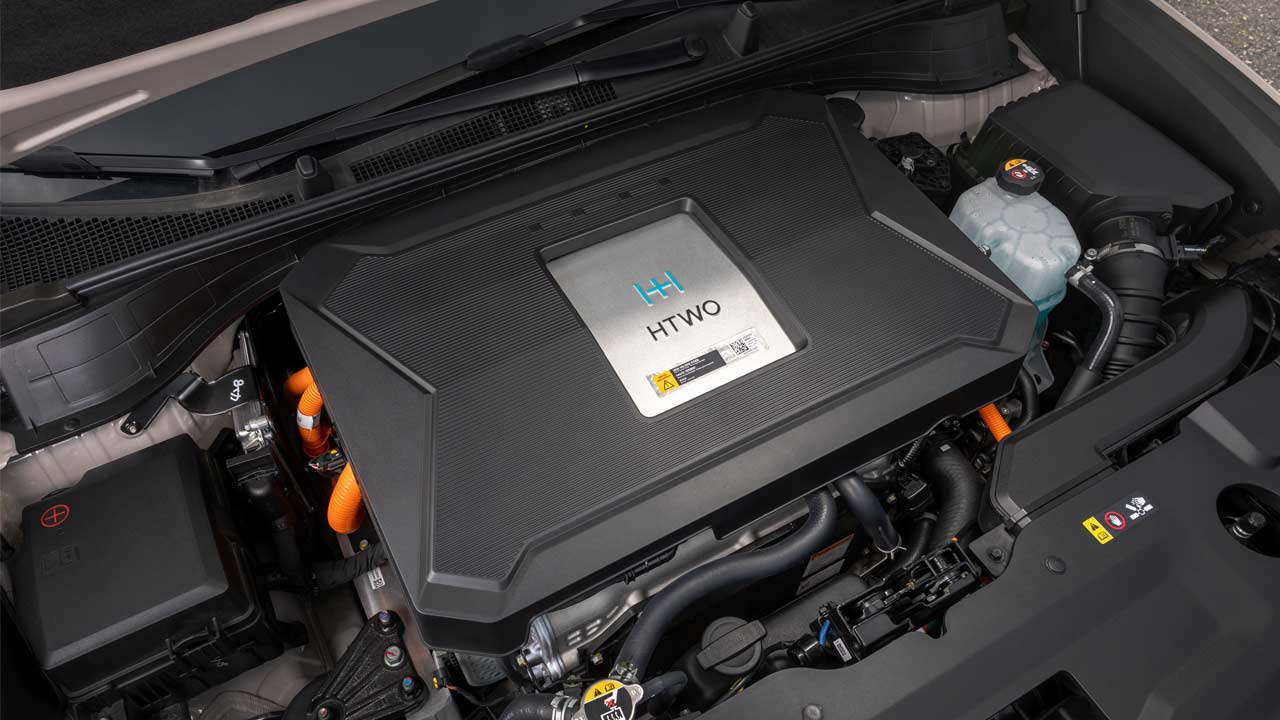
Let’s talk about the juicy bits of the story. The Nexo continues to be a front-wheel-drive vehicle. The front electric motor is rated at 150 kW (204 metric hp) and 350 Nm (258 lb-ft). The battery pack has a capacity of 2.64 kWh, but there’s a new PE (power electronics) system that doubles battery output from 40 kW to 80 kW. This works in tandem with a more efficient hydrogen fuel cell stack, now delivering a maximum gross output of 110 kW – a 16% increase over the previous 95 kW – and a net system output of 94 kW, up 11% from 85 kW). Together, these enhancements boost total system output from 135 kW to 190 kW, Hyundai said. The hydrogen tank has a usable volume of up to 162.6 litres (42.9 gal). In kilograms, it’s 6.69 kg (14.7 lbs), up from 6.33 kg (13.9 lbs).
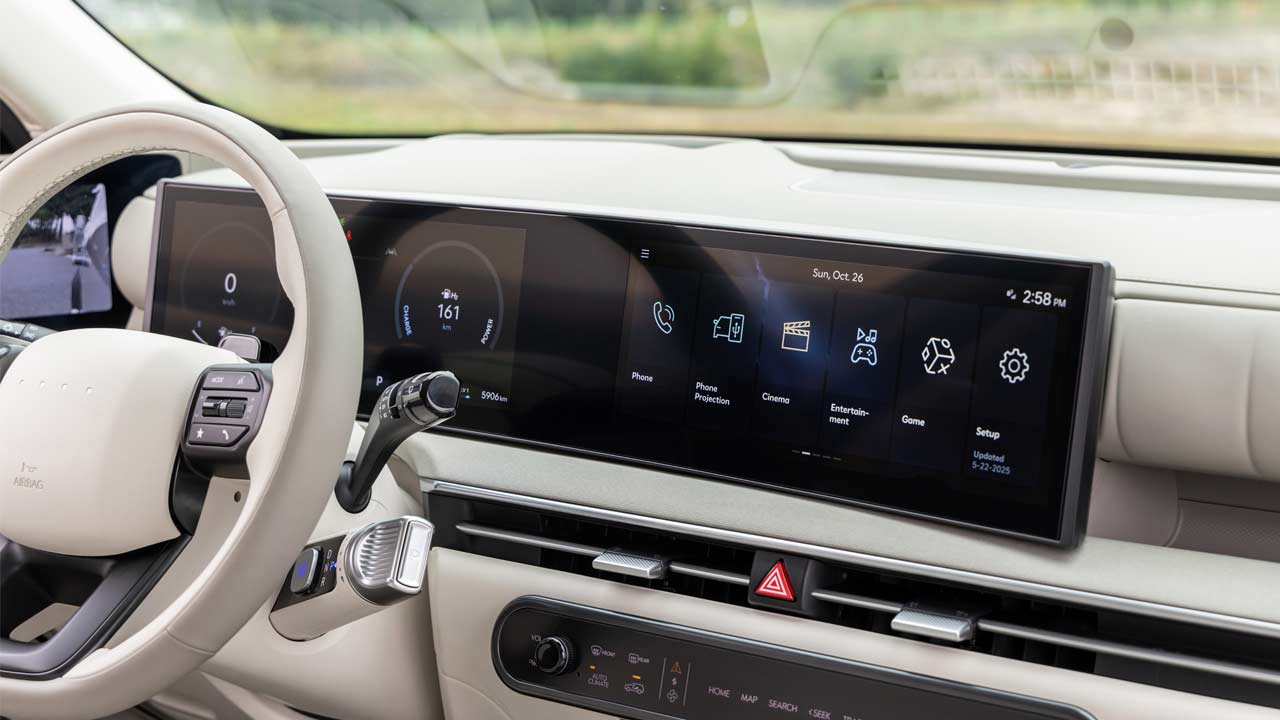
Thanks to that aforementioned new PE system and a 150 kW motor, the official 0-100 km/h (62 mph) sprint time is now 7.8 seconds, down from 9.2 seconds. As for range, Hyundai estimates a WLTP range of up to 826 km (513 mi) with 18-inch wheels. For the Korean market, the range is estimated to be 720 km (447 mi) with 18-inch wheels.
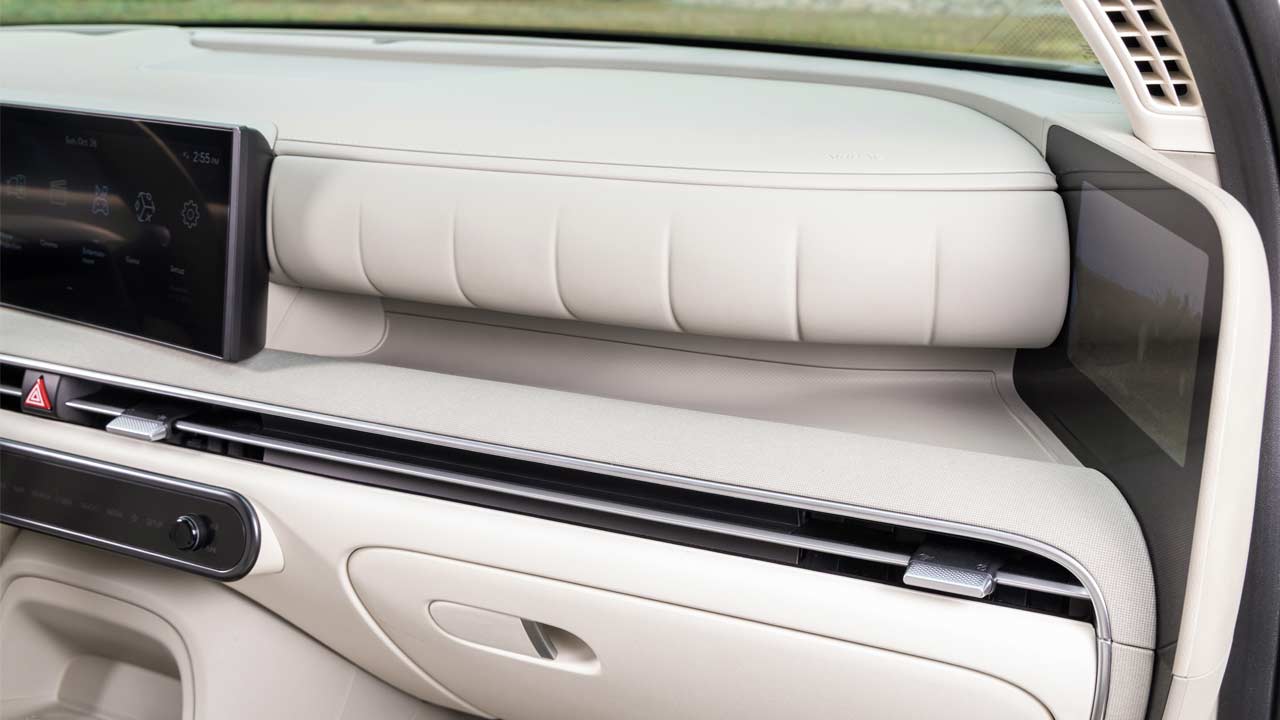
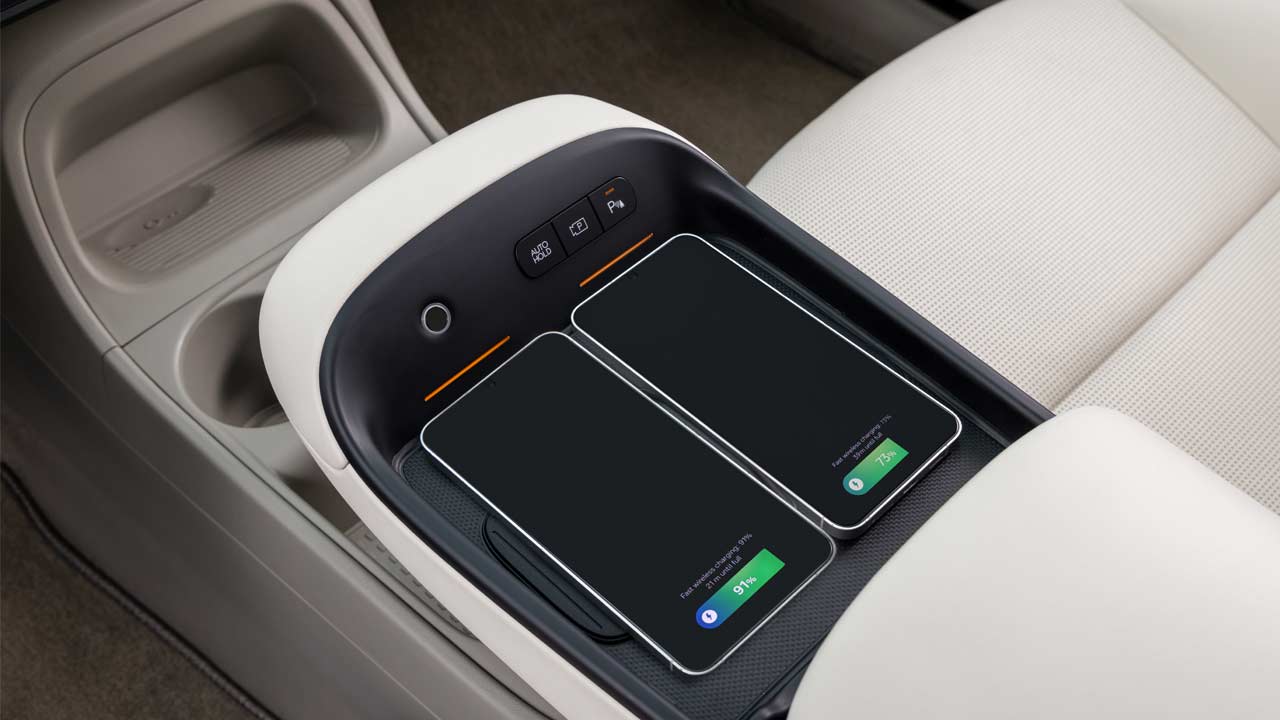
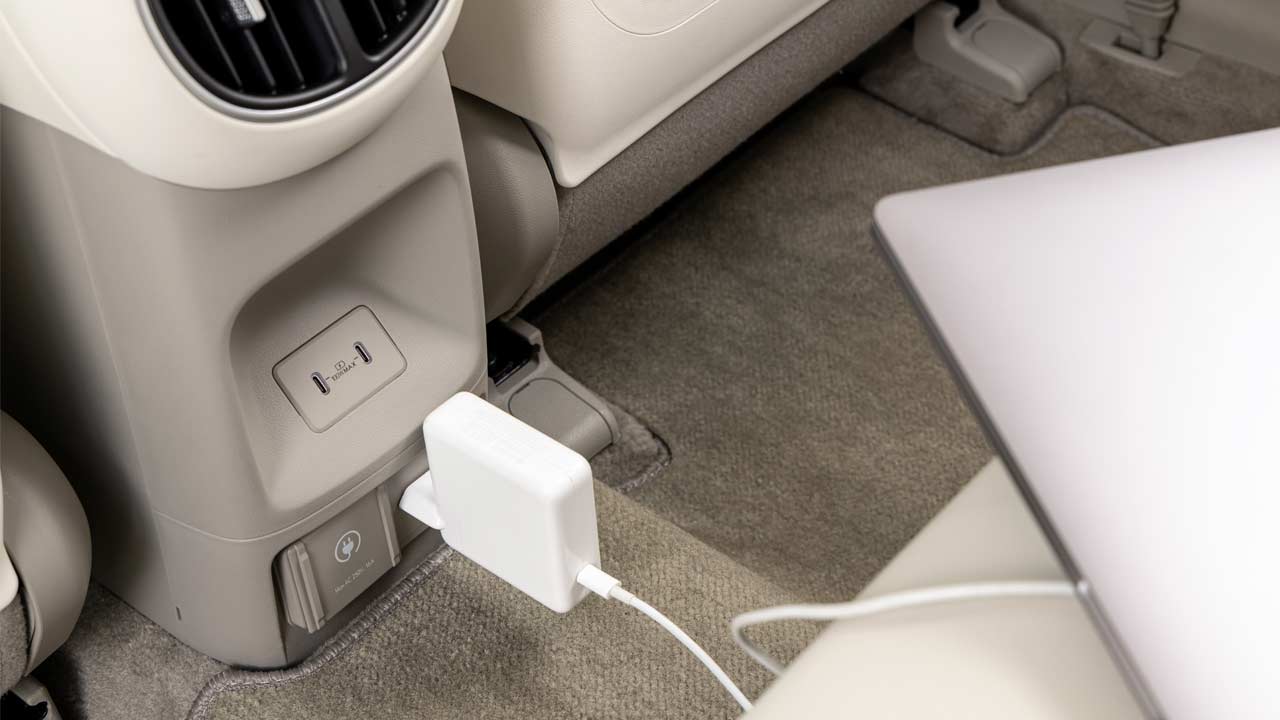
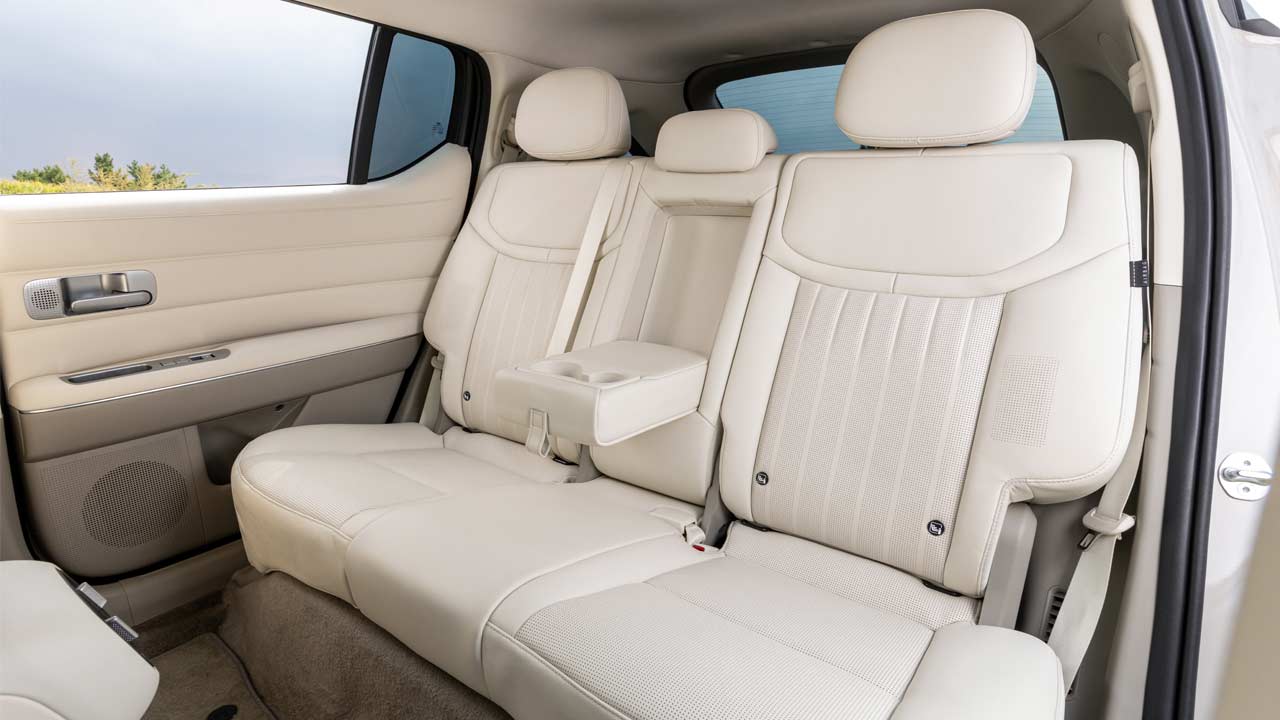
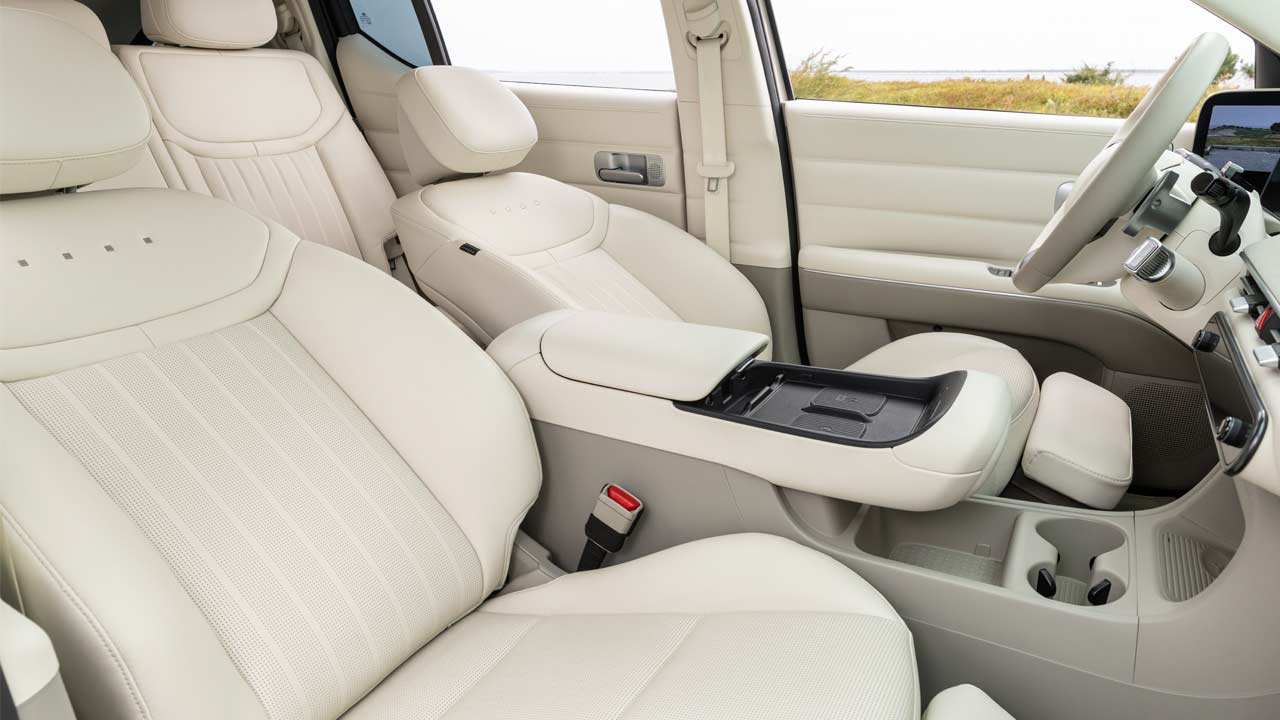
Key features inside include 1st-row Reclining Comfort Seats with Leg Rests, 2nd-row Ventilated Seats, Augmented Reality Navigation, Head-up Display, Hyundai AI Assistant, Built-in Cam 2 Plus (front & rear cameras), Indoor Fingerprint Authentication System (personalization, startup, payments, etc.), and 14-speaker Bang & Olufsen audio system.