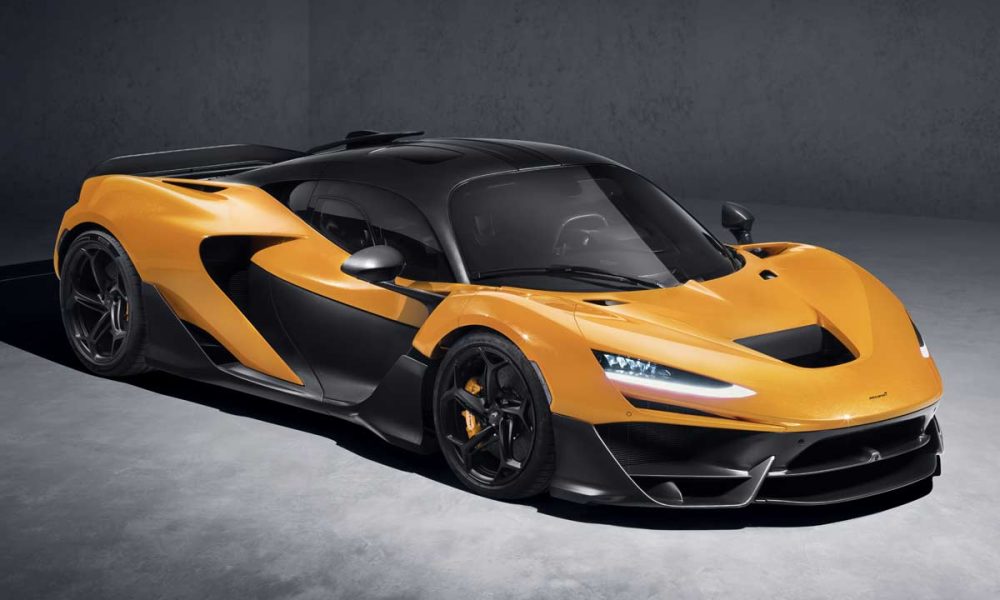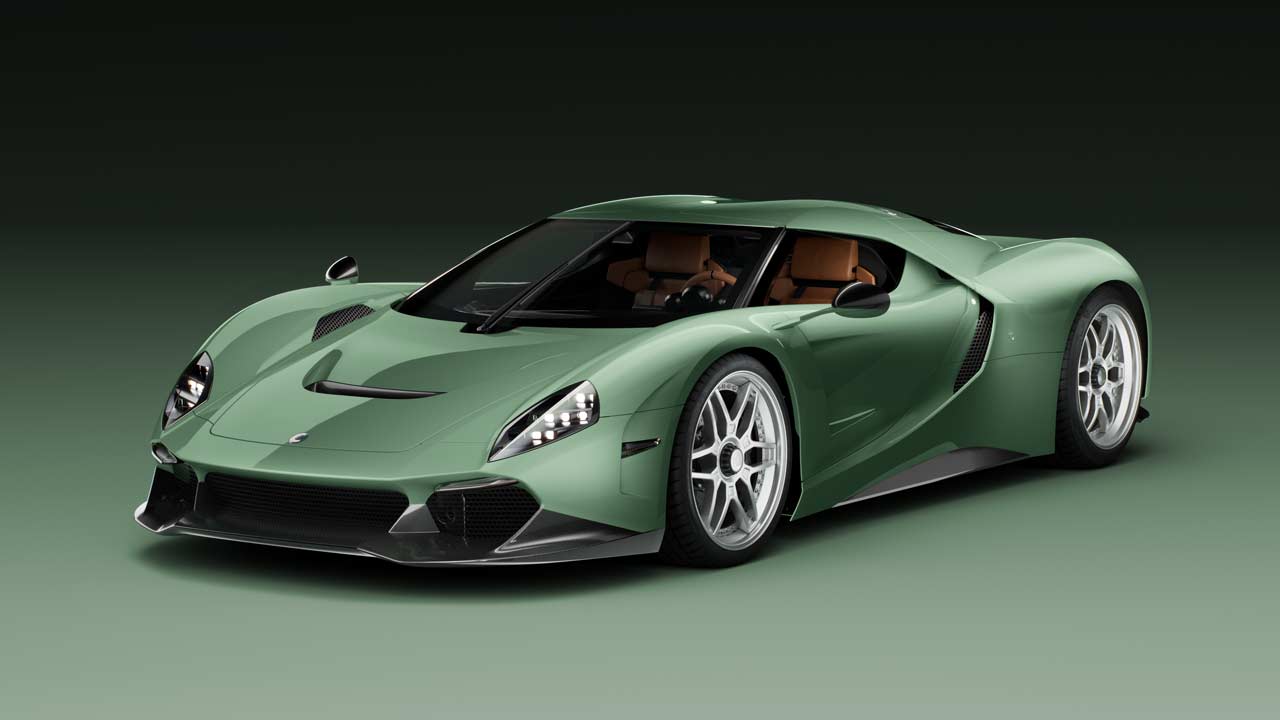
A mid-engined V8 manual RWD in 2026? Yes!
Nope, the Capricorn Group didn’t emerge recently out of a real-estate mogul’s boredom. You’ll be surprised to know that the Düsseldorf-based company’s clients include every big name in the automotive industry, including VW Group brands (Audi, Bugatti, Porsche), Toyota, BMW, Mercedes-Benz, McLaren, Ferrari, Ford, Renault, GM, and Stellantis brands. You see, these car manufacturers (most of them) don’t manufacture everything in-house. Many components are supplied by third-party manufacturers/contractors. The Capricorn Group is a key player in this space, supplying parts including but not limited to: intake manifolds, crankshafts, pistons, aero elements (diffusers, spoilers), gearbox mounts, door hinges, and more. The company specializes in lightweight and CFRP components.
It seems as though someone at Capricorn thought, “You know, we’ve been doing this for so long for others, I think it’s time we supplied it to ourselves”. And that, my friend, is probably how the Capricorn 01 Zagato was born. Strictly limited to 19 coupes, the Capricorn 01 Zagato carries a base price of €2.95 million (excluding taxes), and will be exclusively sold by the Louyet Group.
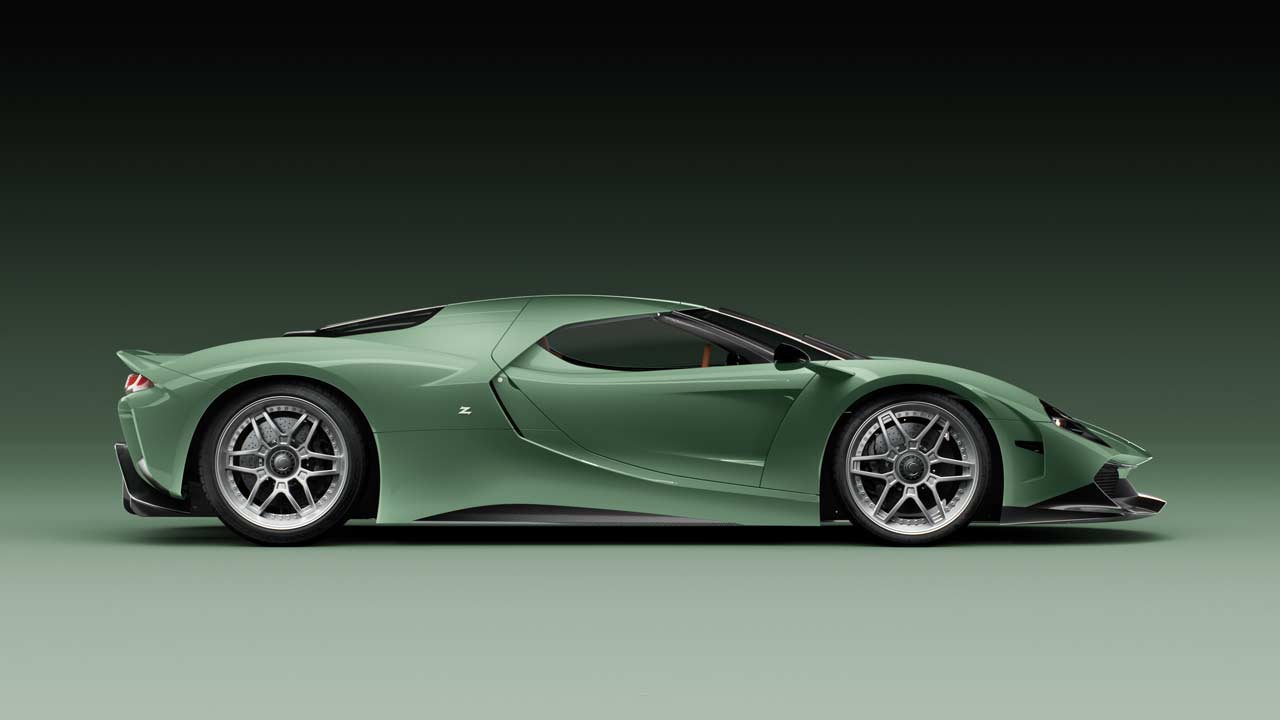
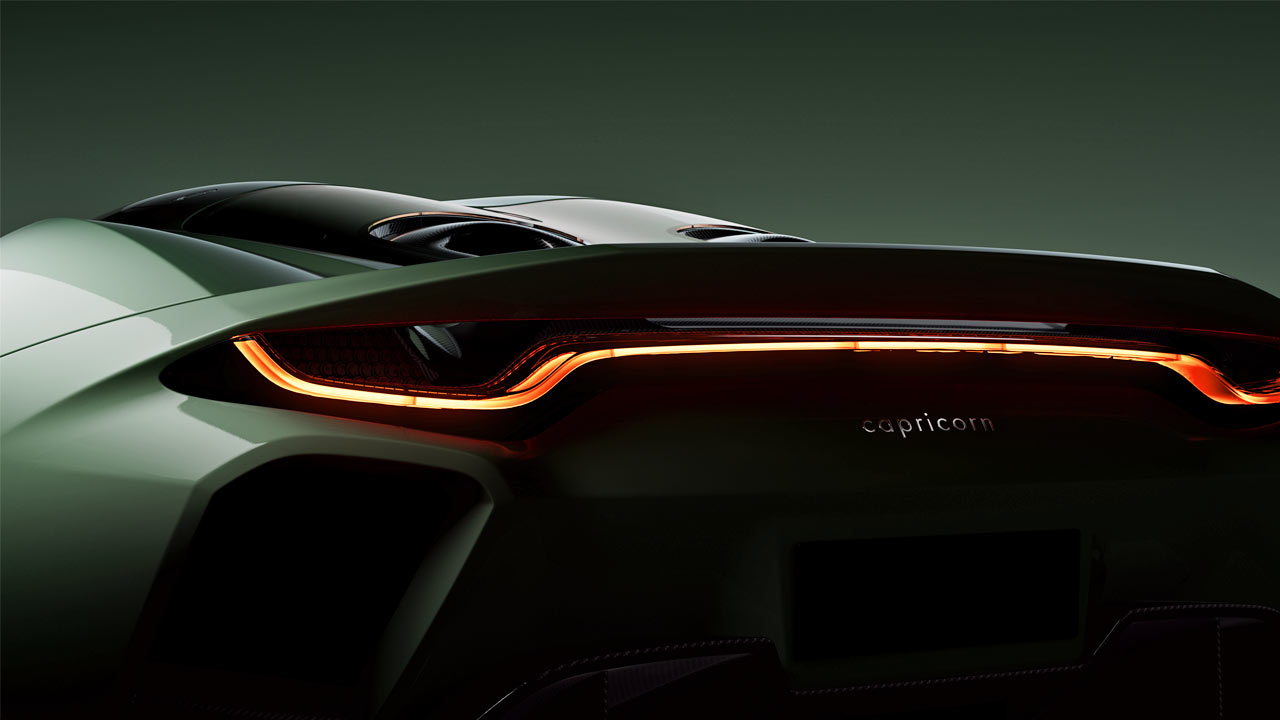
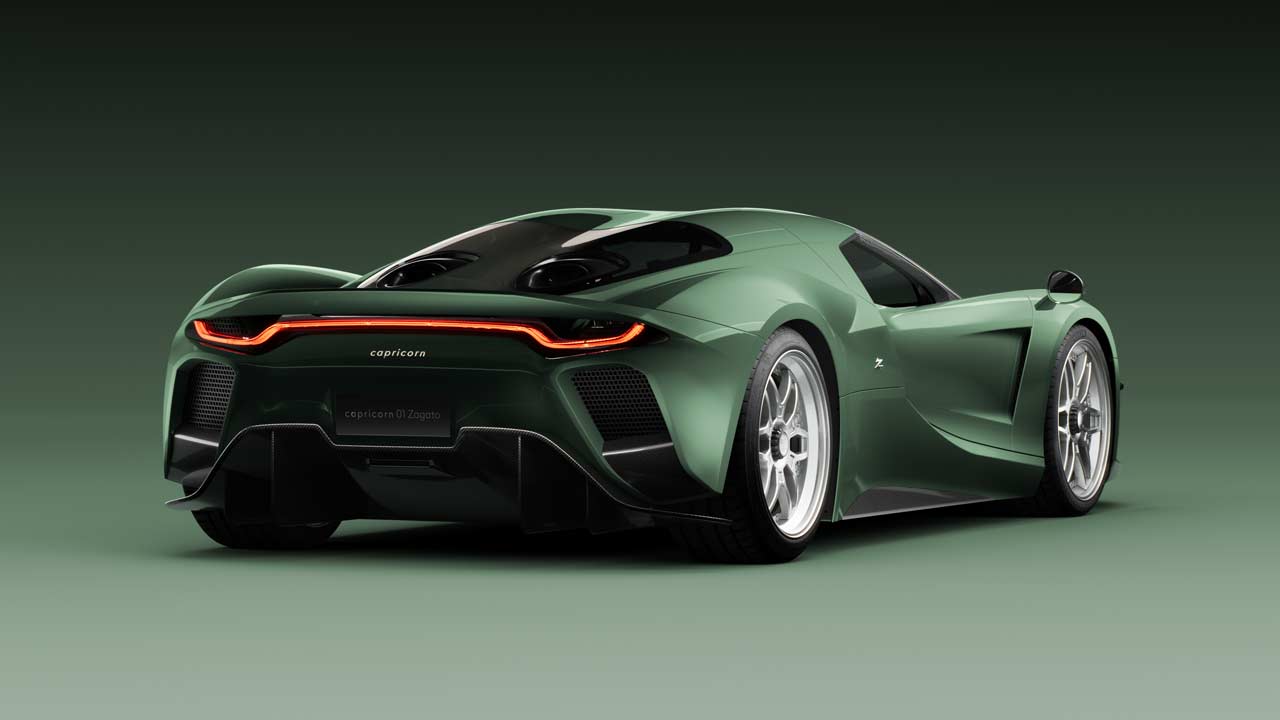
As the name suggests, the Capricorn 01 Zagato is designed by.. well, Zagato. The idea is to be minimalistic and not screamy. Therefore, you’ll not find ridiculously large wings, front spoilers, canards, fins, and whatnot. In fact, there are no active aerodynamic elements at all, which, depending on your perspective, may or may not be a good thing. But the idea is to keep the weight as low as possible, which means eliminating things that may be deemed not essential. The reason the mirrors are placed on the fenders as opposed to on the gullwing doors is to keep the doors as light as possible. But anyway, is it just me, or from the front-three-quarter angles, the Capricorn 01 gives off Ford GT vibes?
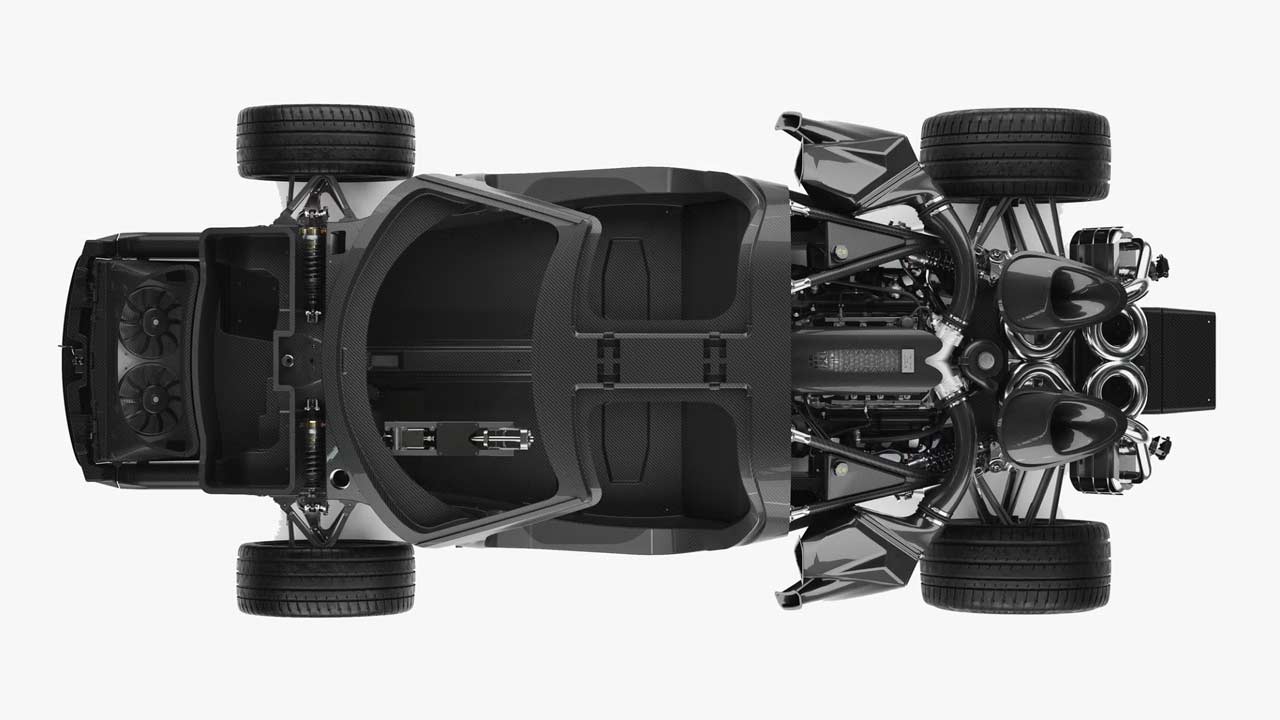
The suspension setup comprises a double wishbone, pushrod system with an anti-roll bar and spring/damper units from Bilstein front and rear. The car rides on 21-inch wheels and offers a choice of lightweight alloy or carbon fibre. Most of the car is made of carbon fibre, with a little bit of titanium and aluminum components on the inside, resulting in the car weighing less than 1,200 kg (2,645.5 lbs).
The power source is a reworked Ford 5.2-litre supercharged V8. Bespoke modifications include a supercharger, dry sump lubrication system, rotating assembly (comprising crankshaft, conrods, and pistons), air intake, cooling system, and exhaust system. Capricorn also claims to have developed its own ECU and mapping software.
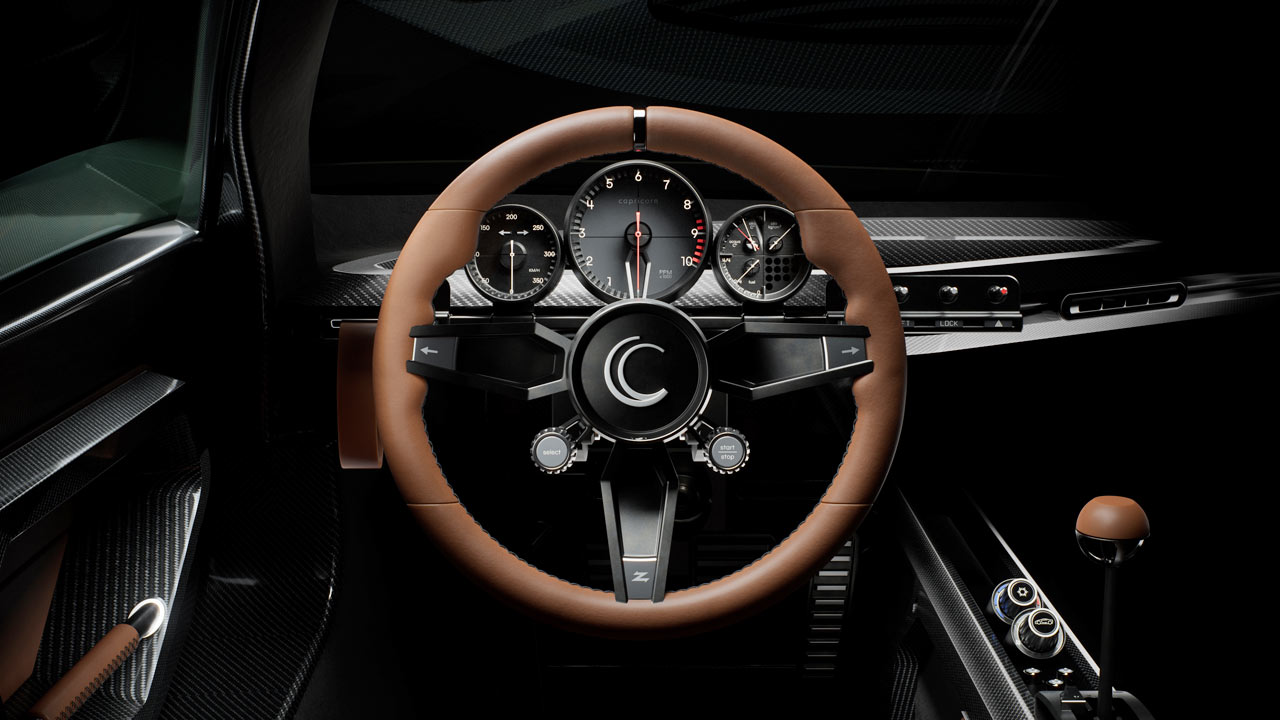
The output figures are estimated to be 662 kW (900 metric hp) and 1,000 Nm (737.5 lb-ft). Power is sent to the rear wheels via the CIMA 5-speed dog-leg manual transmission. The official 0-100 km/h (62 mph) sprint time is less than 3 seconds, and the top speed is 360 km/h (224 mph). Inside, the seats are fixed in place, but the steering column and pedal box are adjustable. Furthermore, the gear lever is longitudinally adjustable by 80 mm. Capricorn assures that the car is comfortable for everyone, as one of its lead engineers who is 6.6 ft tall, could sit comfortably. A 100-litre frunk should be fairly good if you fancy going on a road trip.

Recommended for you






Leave a Reply
Note: Comments that are unrelated to the post above get automatically filtered into the trash bin.
Leave a Reply
Note: Comments that are unrelated to the post above get automatically filtered into the trash bin.