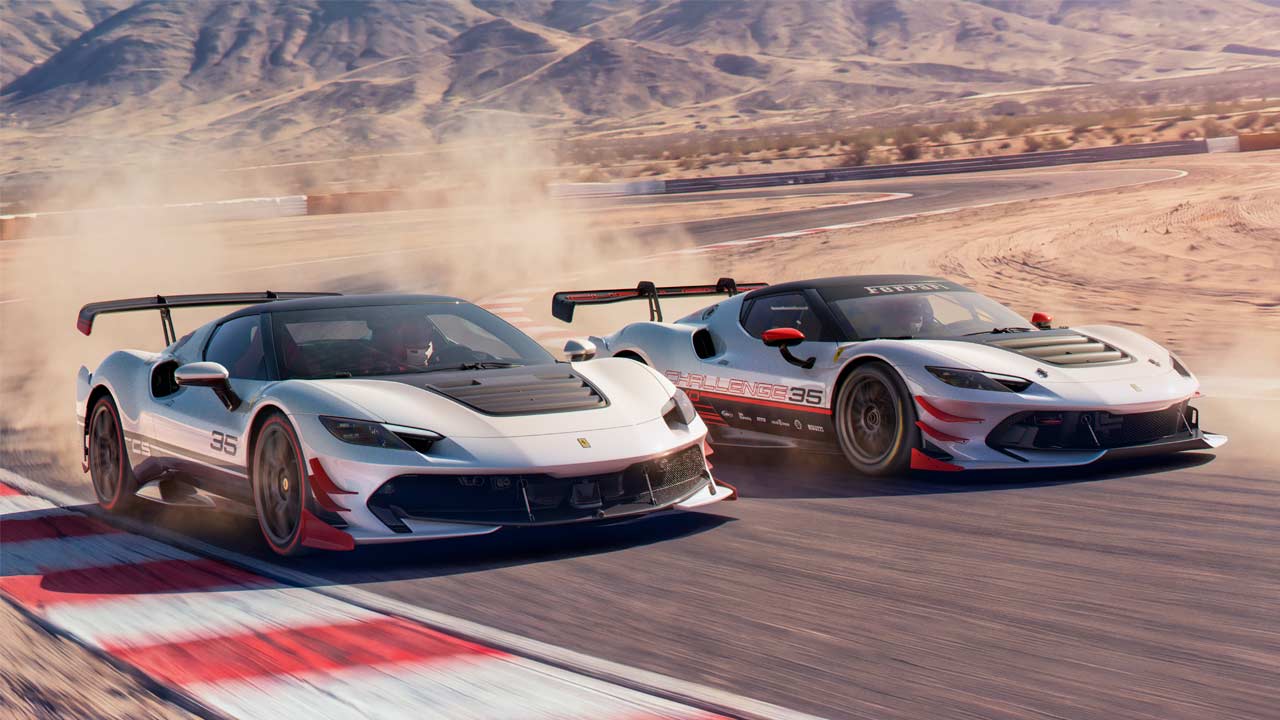
Ferrari has expanded the 296 lineup with the 296 Challenge Stradale and the 296 Challenge Evo, both unveiled during the 2026 Ferrari Finali Mondiali, held at the Circuit de Barcelona-Catalunya in Montmeló. The Challenge Evo is all set to make its racing debut in the 2027 season, while the Challenge Stradale, as the name suggests, is a street-legal racer.
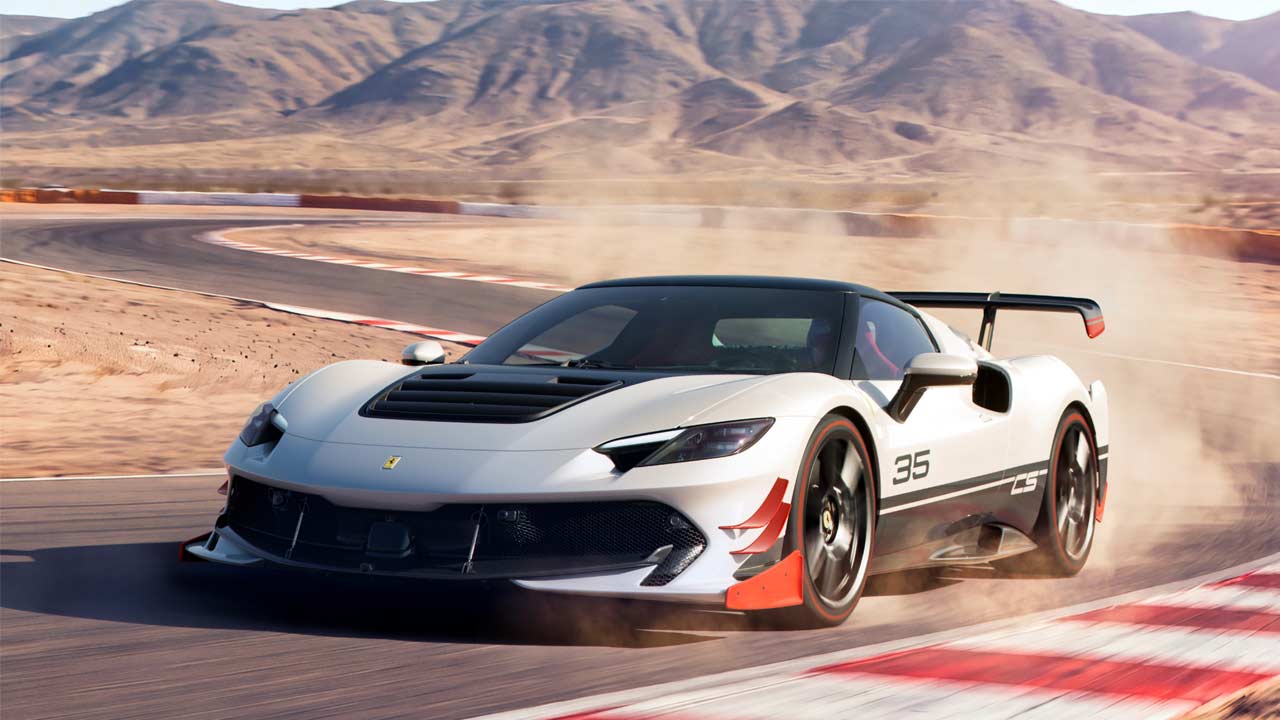
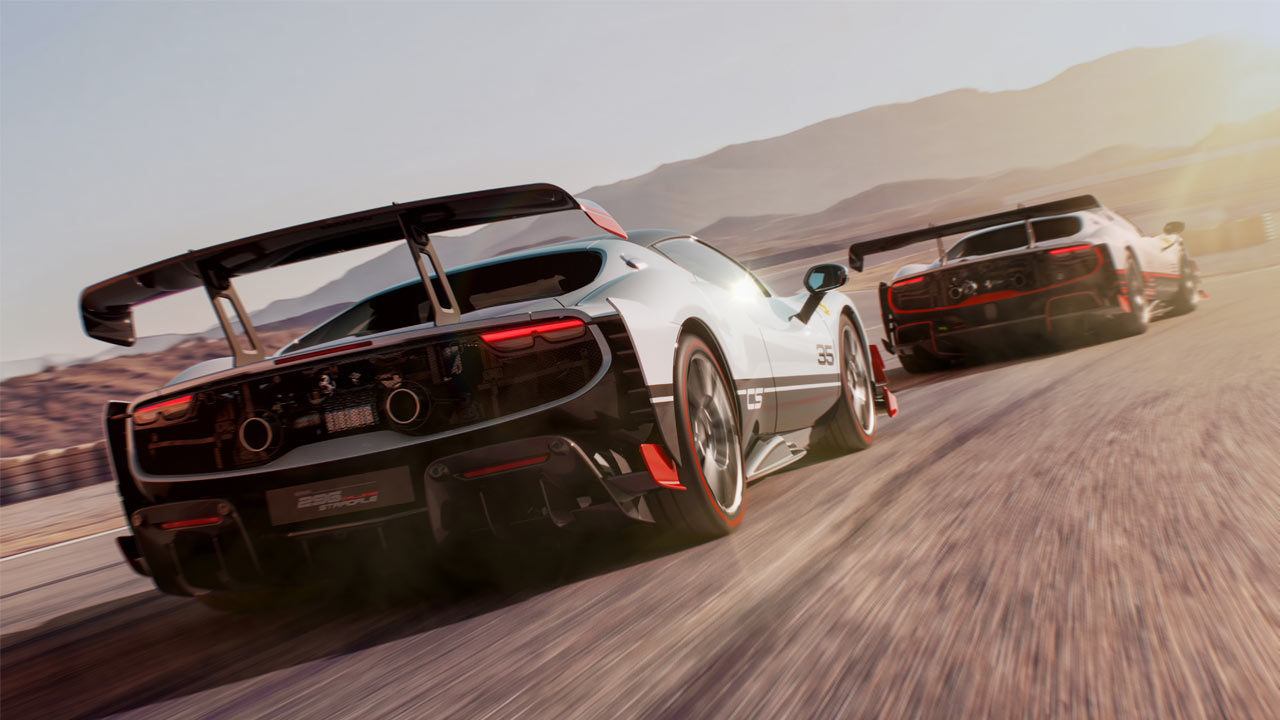
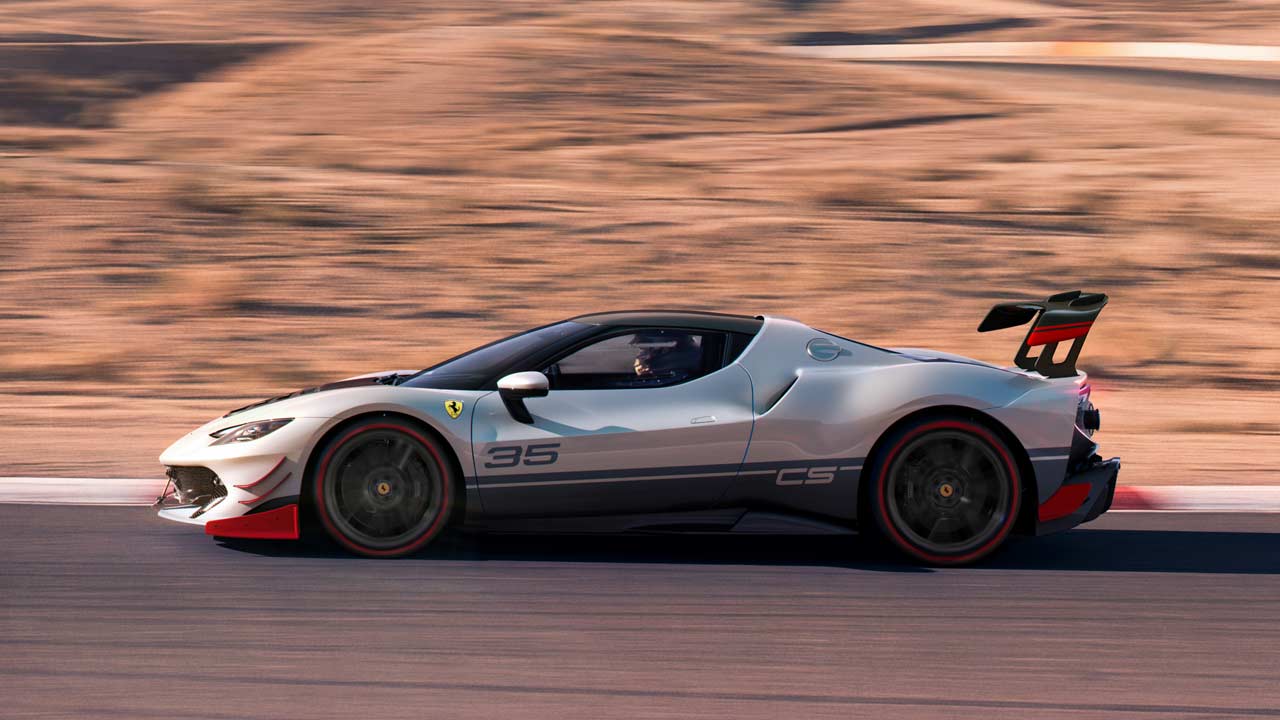
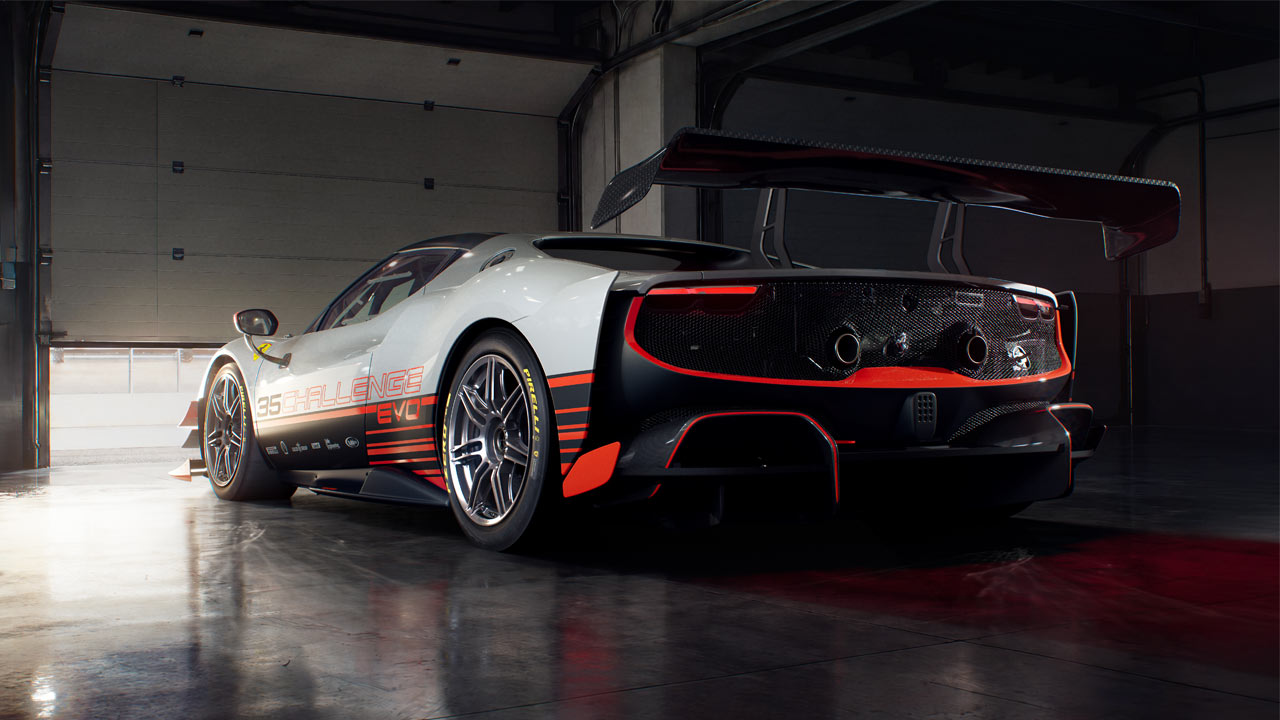
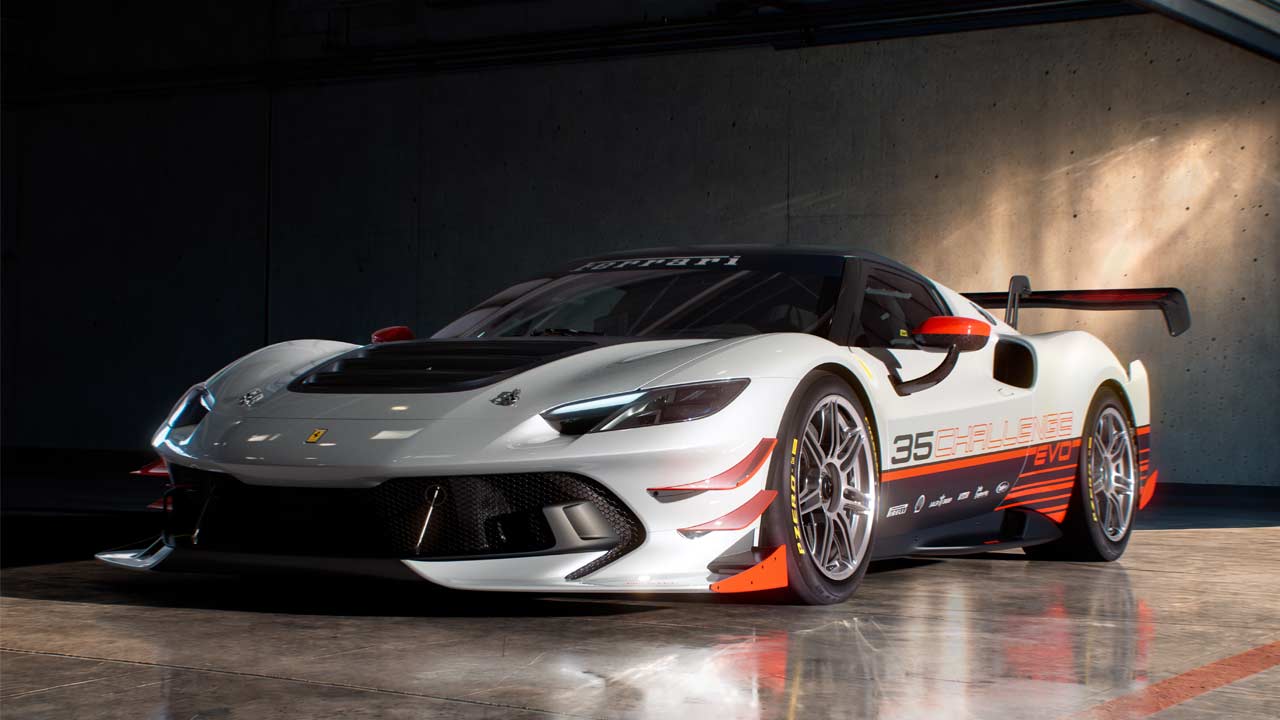
Both models come with some serious bodykit and it’s difficult to tell them apart by merely looking at them. The bodykit includes a large rear wing, front splitter, canards, vortex generators, and full underbody covering. The Challenge Stradale is claimed to generate 617 kg (1,360 lbs) of downforce at 250 km/h (155 mph), 72% more than the 296 GTB, while the Challenge Evo boasts 12% additional downforce compared with the 296 Challenge, equivalent to an additional 100 kg (220 lbs) at 250 km/h (155 mph). Also, the Challenge Evo offers two wing configurations: HD (High Downforce) and LD (Low Drag). In LD configuration, the drag is claimed to be reduced by 4%.
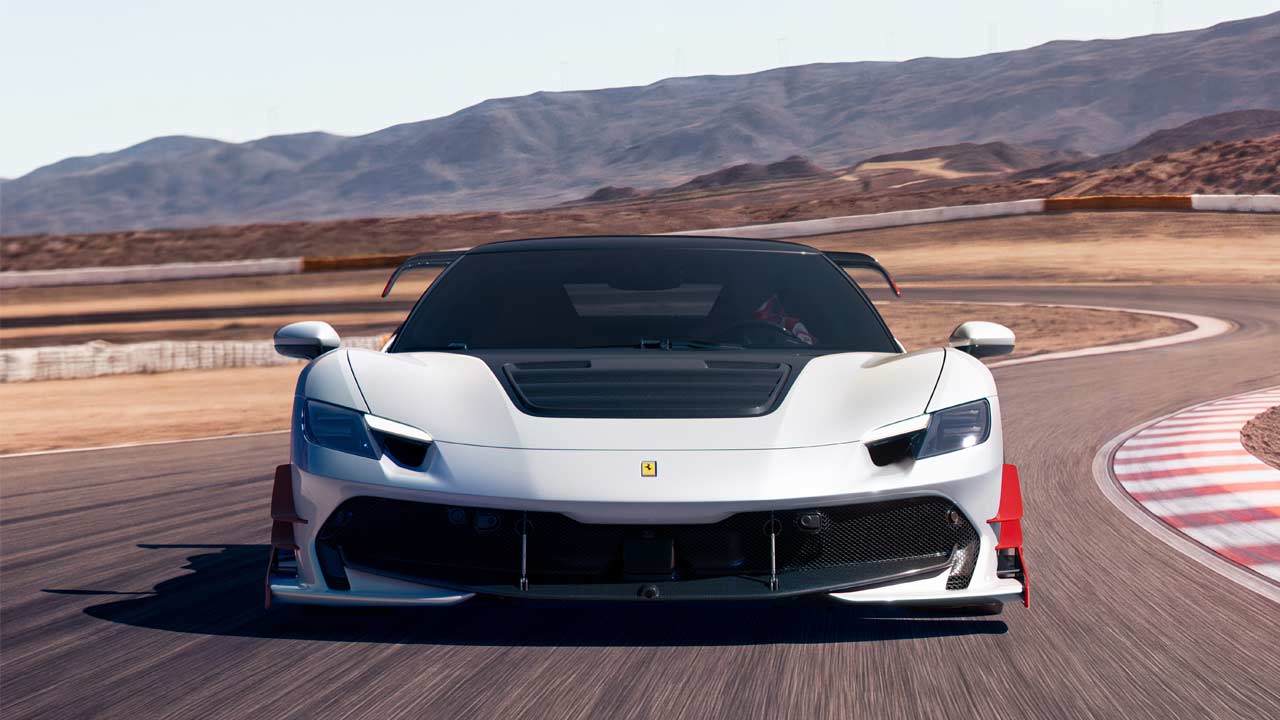
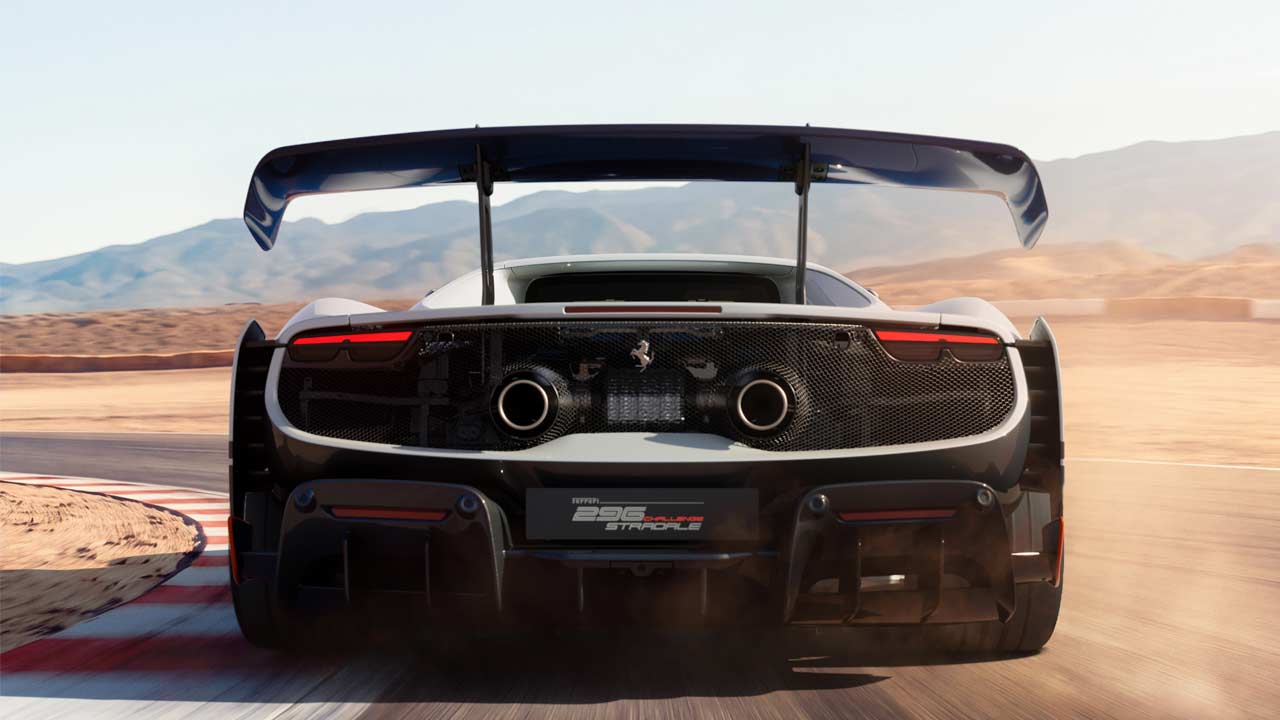
As for the suspension setup, the 296 Challenge Stradale features dedicated spring rates and kinematic angles. The setup also features specific semi-active damper calibrations that reduce ride-height variations and balance shifts, optimise the contact patch and limit tyre degradation. Compared with the 296 GTB, maximum lateral performance is increased by 7%, stability is improved by 34%, and the roll gradient is reduced by 68%.
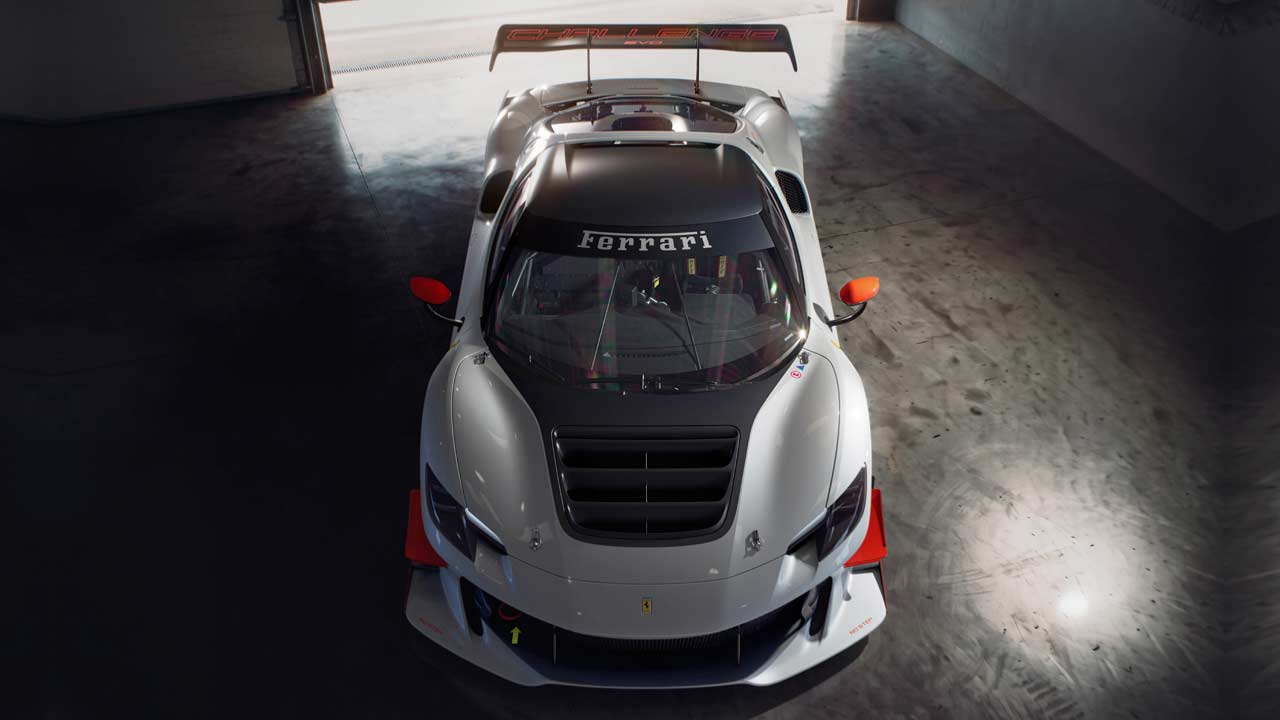 296 Challenge Evo
In the Stradale, braking duties are handled by carbon ceramic discs, measuring 398 x 38 mm at the front and 380 x 34 mm at the rear. The Evo boasts larger discs, measuring 408 x 38 mm at the front and 390 x 32 mm at the rear. The Pirelli P Zero R and P Zero Trofeo RS tyres were developed specifically for the 296 Challenge Stradale.
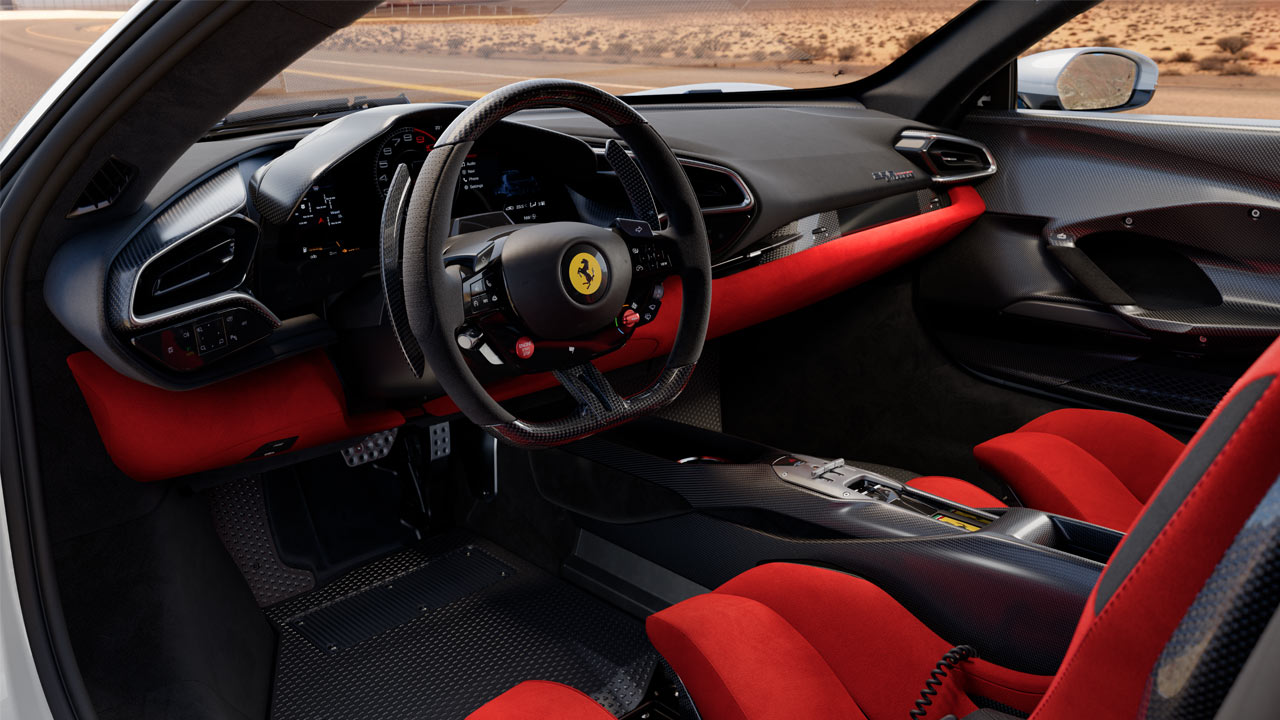
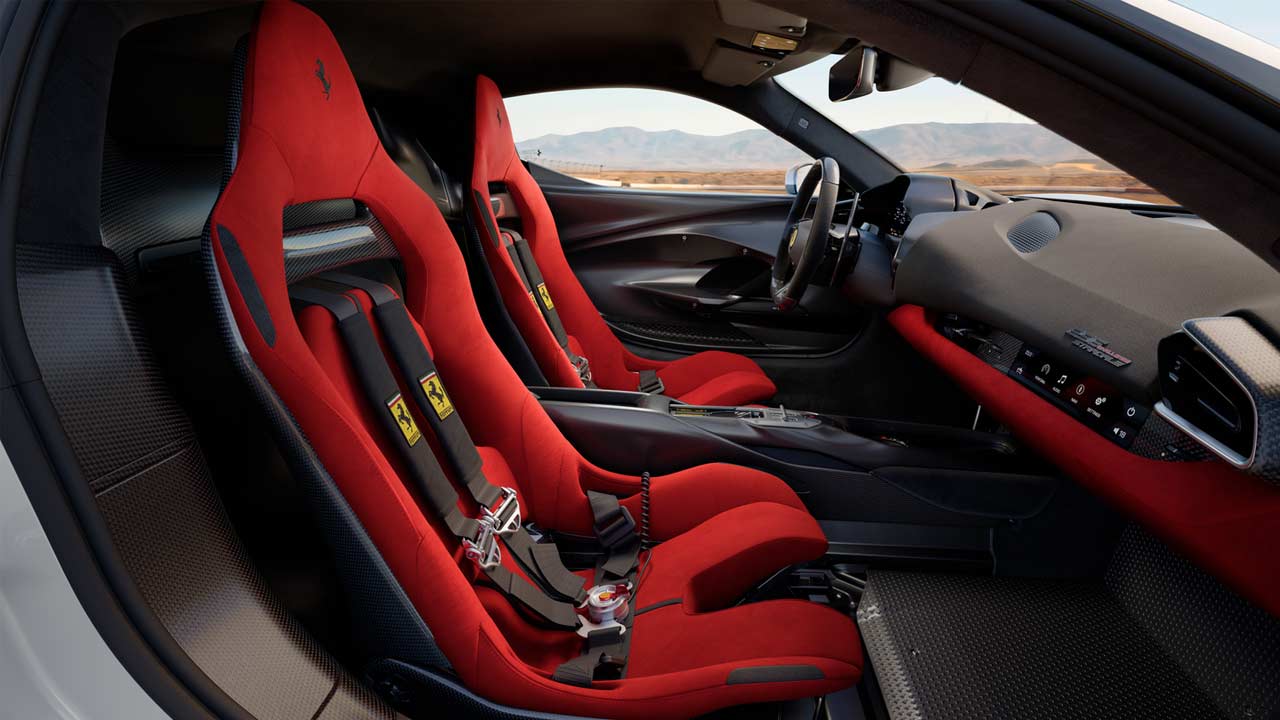
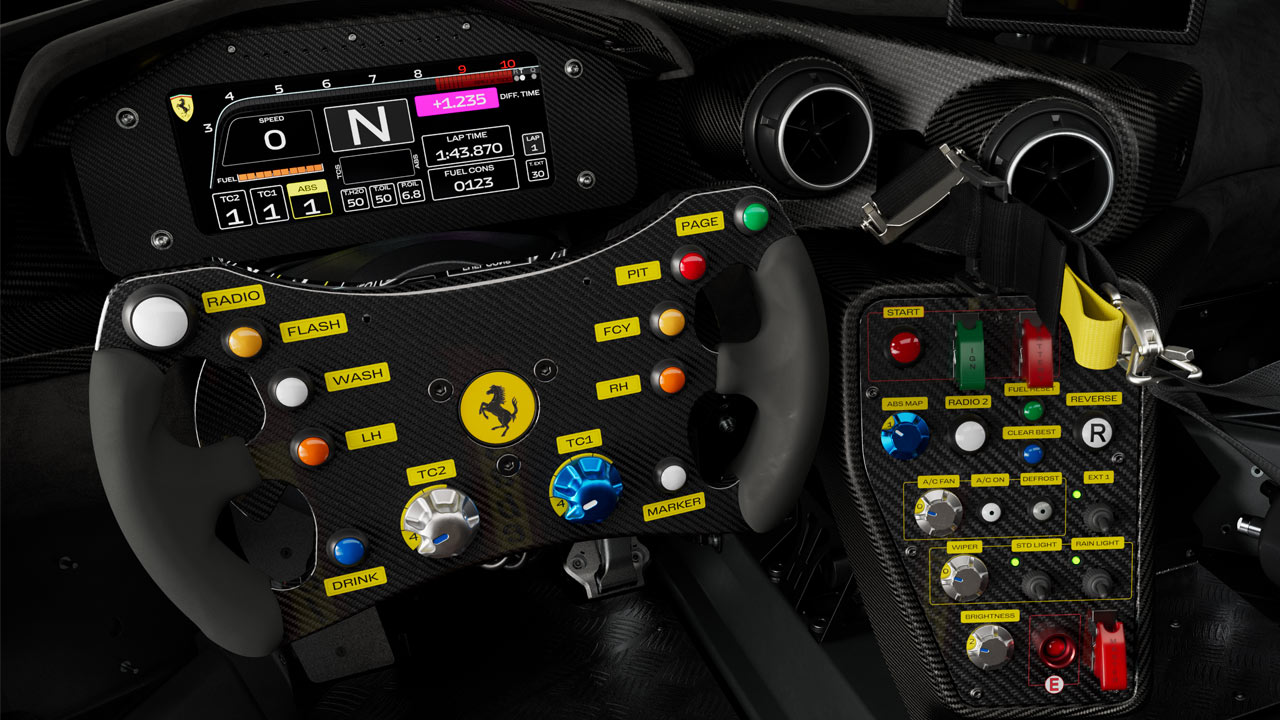
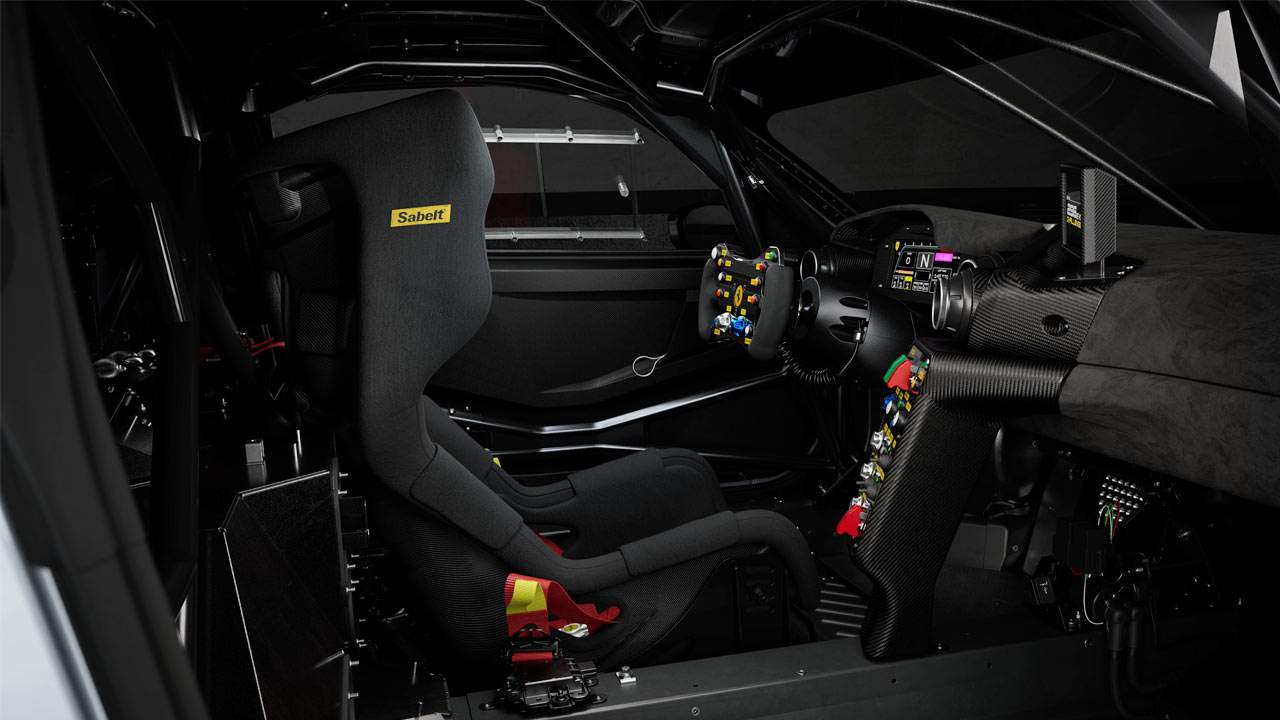
Both models ditch the hybrid system for obvious reasons. In the Challenge Stradale, the 2.9L biturbo V6 pumps out 493 kW (670 metric hp) and 740 Nm (546 lb-ft). With the dry weight of 1,330 kg (2,932 lbs), you get a weight-to-power ratio of 1.98 kg/hp. The Challenge Evo boasts 515 kW (700 metric hp), while the torque remains the same. Dry weight is claimed to be the same 1,330 kg (2,932 lbs). One of the key differences is that in the Challenge Stradale, the transmission is an 8-speed DCT, while in the Evo, it is a 7-speed DCT.

Recommended for you




Leave a Reply
Note: Comments that are unrelated to the post above get automatically filtered into the trash bin.
Leave a Reply
Note: Comments that are unrelated to the post above get automatically filtered into the trash bin.