
The Lamborghini Temerario, the successor of the Huracan, was always conceived with adaptability and future racing potential in mind, says Mitja Borkert, Director of Design at Automobili Lamborghini. In other words, the Temerario GT3, which made its racing debut at the 12 Hours of Sebring in mid-March, was not an afterthought but was always part of the original Temerario design plans.

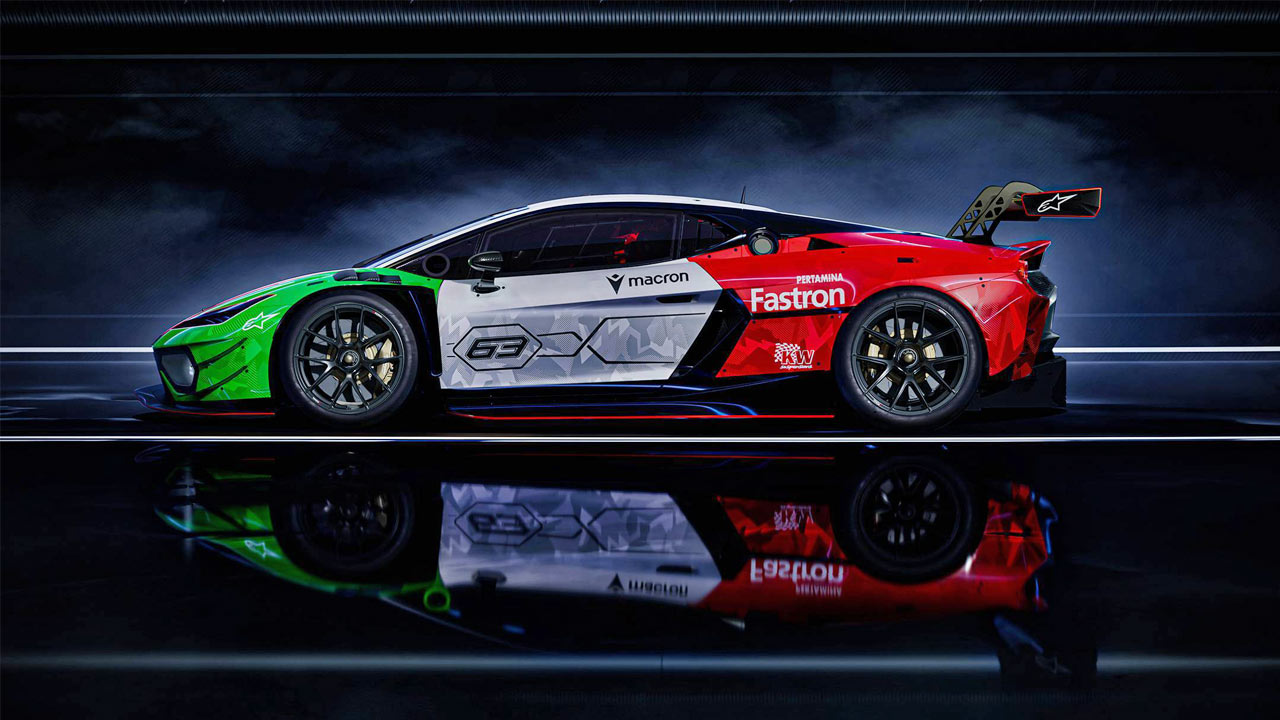
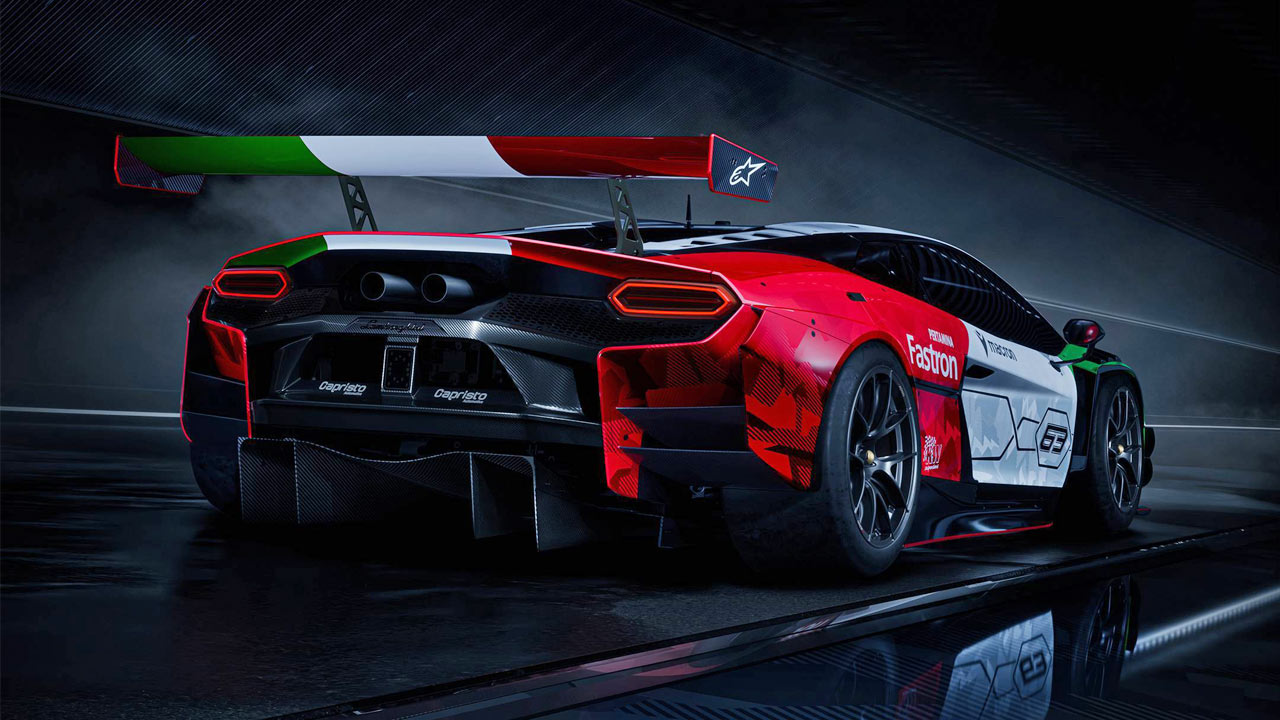

The bodywork was engineered for quick disassembly and reassembly to reduce pit-stop times. The front and rear ends of the bodywork are each made out of a single piece. The rear diffuser, engine cover and bonnet have also been designed for quick removal. Even the front lights feature a quick connector system for quick disassembly. The floor comes in four separate parts, including two sections ahead of the front axle – one through the center of the car – and a rear diffuser. The center section has been designed so that it can, if necessary, be changed while the car is on its jacks in the pit lane.
The refuelling system has been updated to increase the flow rate into the tank, while the tank design has been changed, enabling a new fuel sensor to be used for more accurate readings for the team.
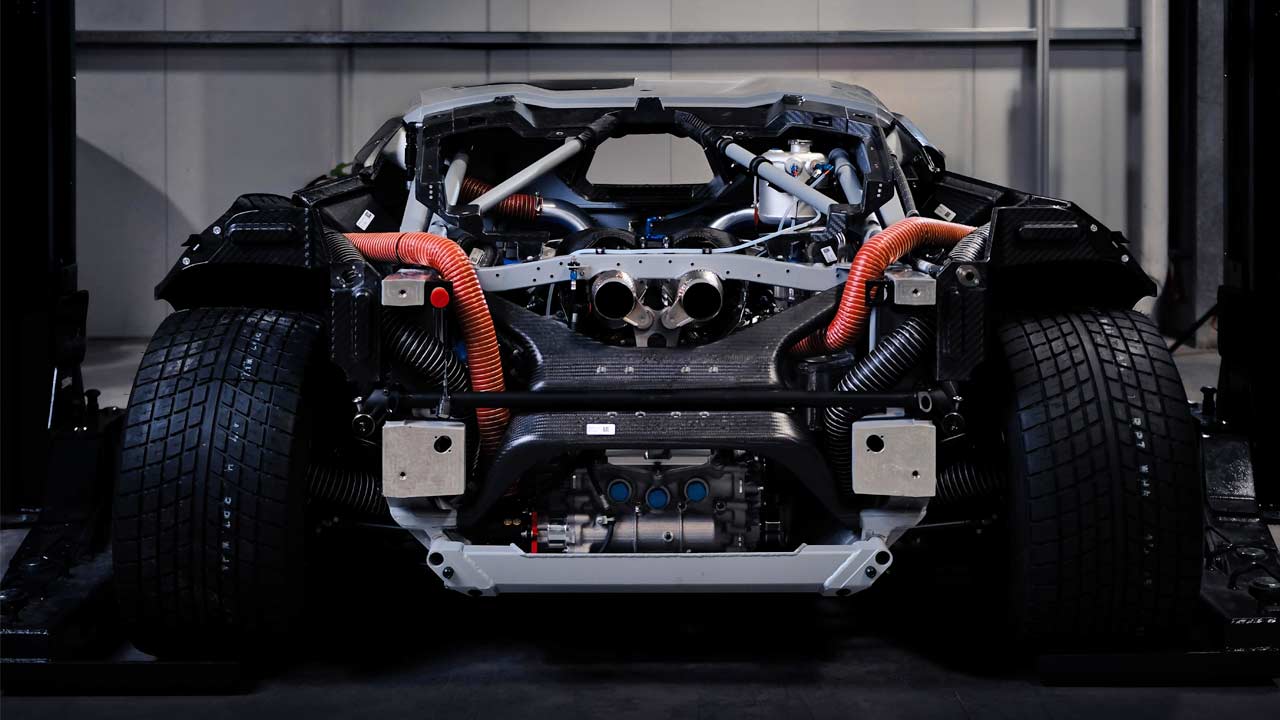
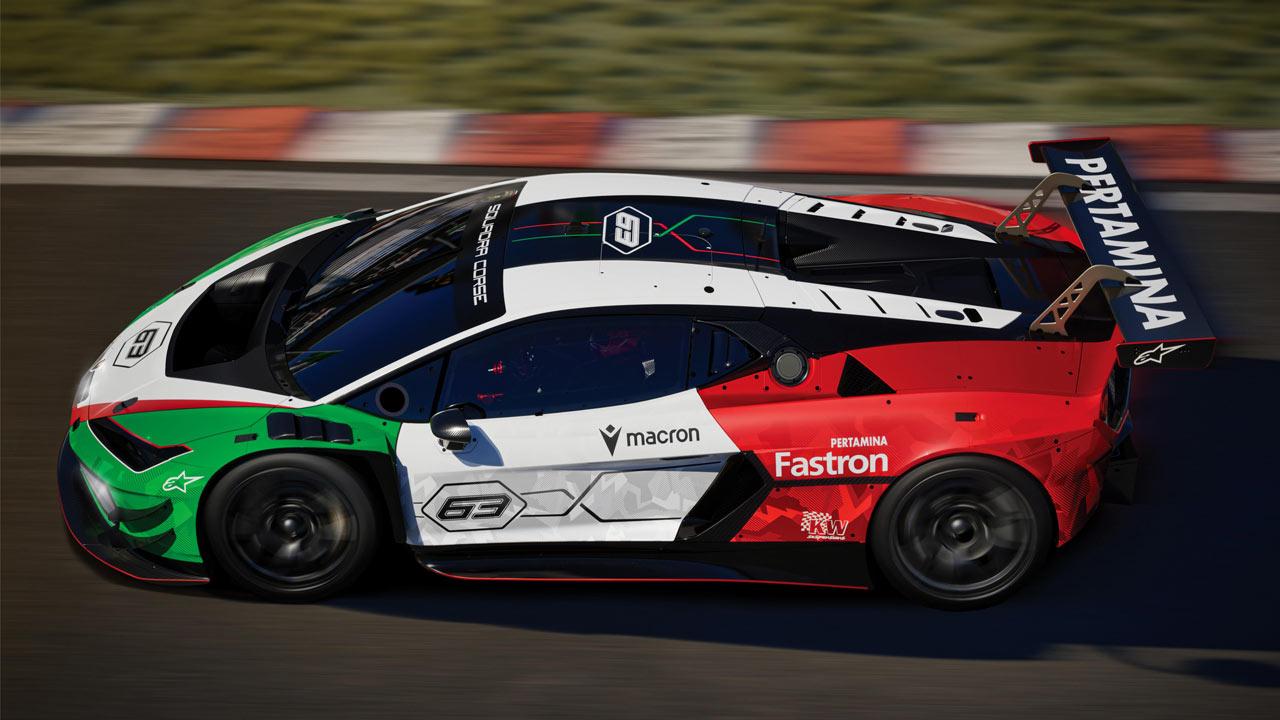
While both vehicles share a foundational connection in architecture and design ethos, the Temerario GT3 is built strictly for competition, developed by Lamborghini Squadra Corse under FIA GT3 regulations, which call for a non-hybrid configuration. In other words, the GT3 version retains the same 4.0-litre twin-turbo V8 but omits the electric motors. The engine has been recalibrated to deliver maximum performance across a broader rev range. The airbox has been redesigned to meet the new requirements of the smaller turbochargers used in the race version. The power output can be up to 436 kW (593 metric hp) (subject to Balance of Performance). There’s no 8-DCT here, but a 6-speed transverse gearbox. The custom exhaust system is supplied by Capristo.
For the first time, the suspension features new 6-way dampers from KW, which is also the supplier for the SC63 LMDh project. The mounting points no longer require carbon inserts in the chassis; instead, they use mounting plates. The new suspension can also be changed quickly in the pits. Tires are mounted on 18-inch wheels supplied by Ronal AG.